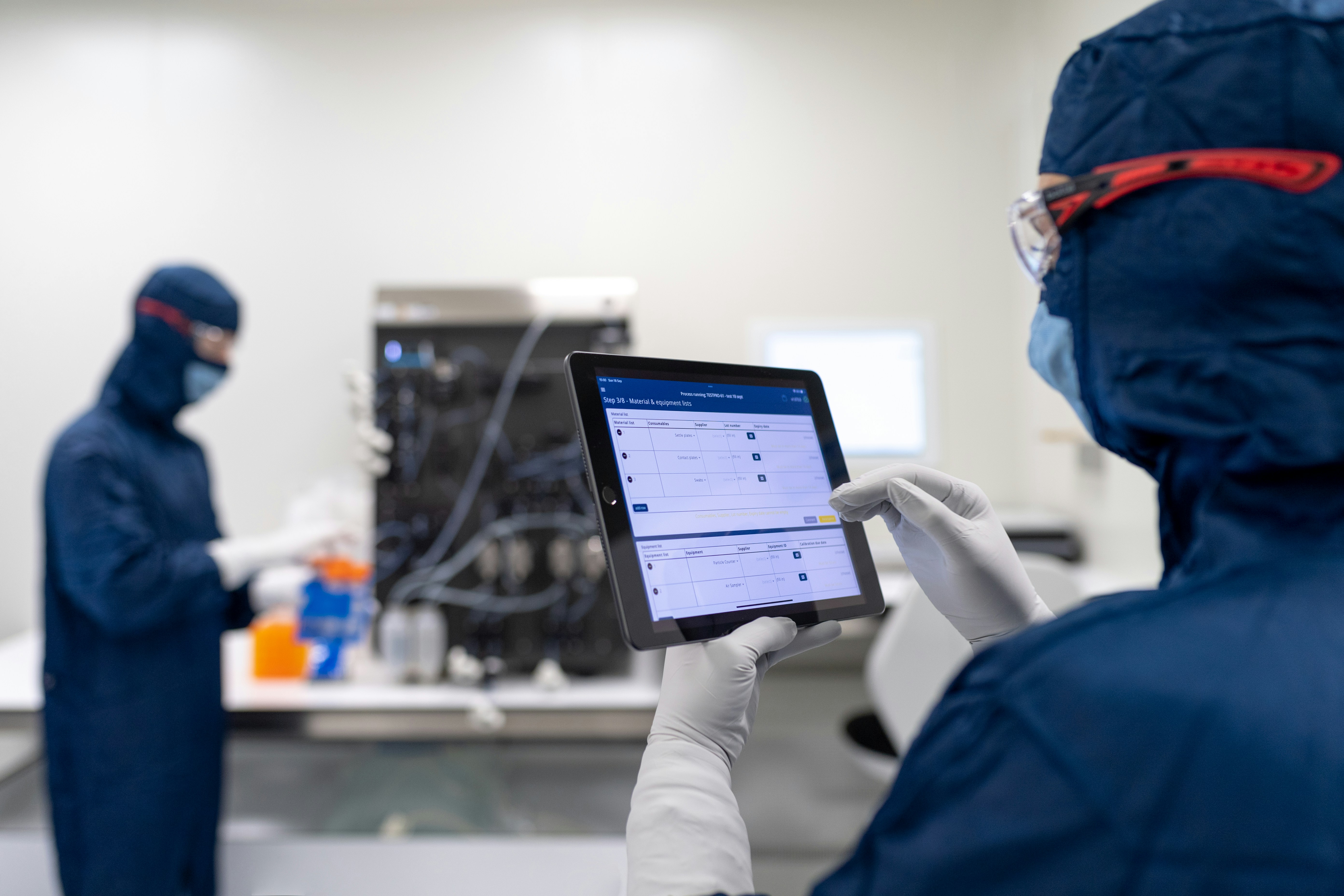
Excipient Qualification Under ICH Q10 Pharmaceutical Quality System
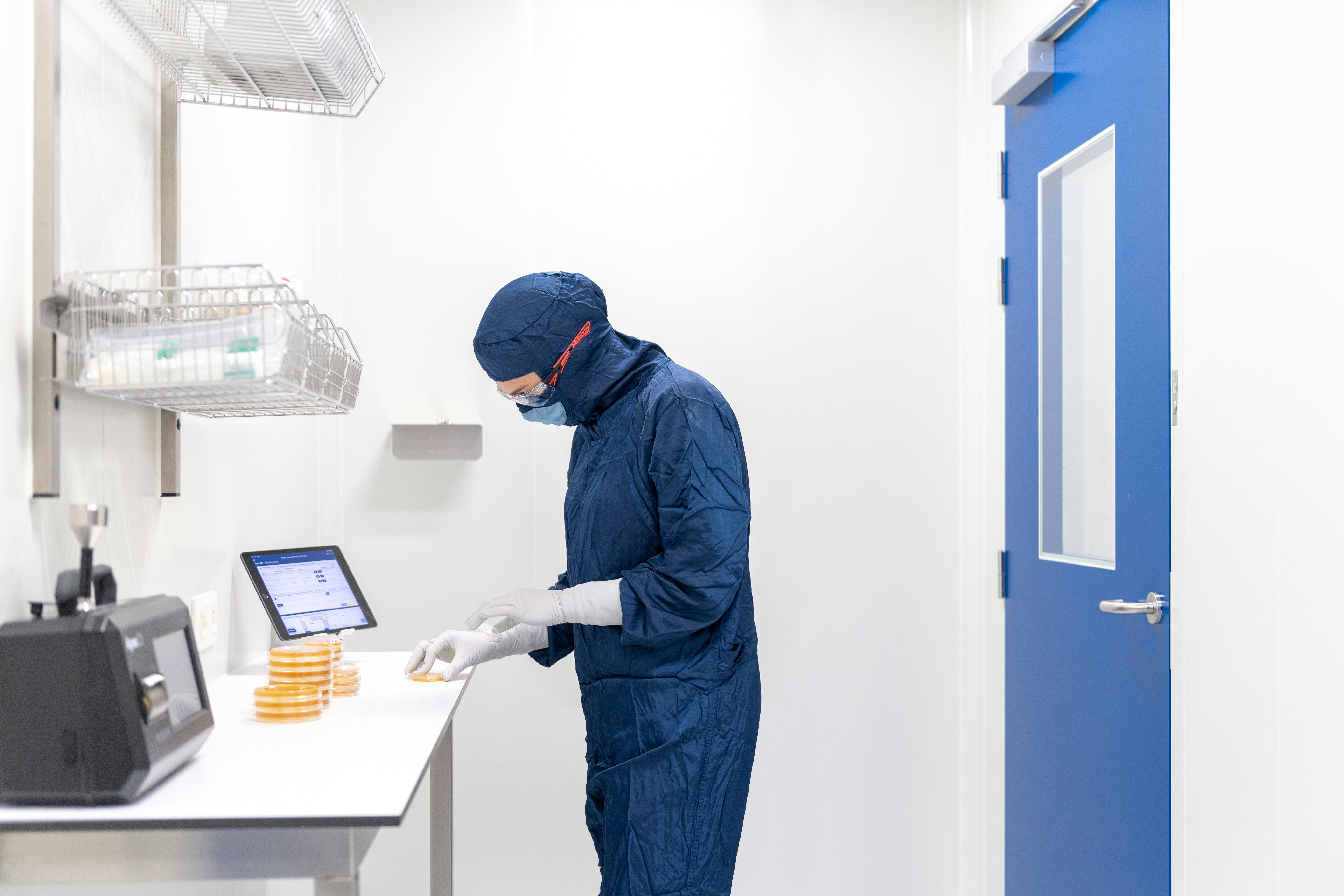
Excipient Qualification Under ICH Q10 Pharmaceutical Quality System
Introduction
Excipients play a vital role in pharmaceutical manufacturing. Although they do not provide therapeutic effects, they contribute significantly to the stability, safety, manufacturability, and performance of drug products. From fillers and binders to preservatives and coating agents, excipients are essential components in nearly every pharmaceutical formulation.
As global regulatory expectations continue to evolve, pharmaceutical manufacturers must ensure that excipients are sourced, evaluated, and controlled through a robust quality management framework. The ICH Q10 Pharmaceutical Quality System (PQS) provides a comprehensive model for managing quality throughout the product lifecycle, including supplier oversight and material qualification.
For pharmaceutical procurement, quality assurance, and regulatory teams, effective excipient qualification under ICH Q10 is essential for maintaining product quality, regulatory compliance, and supply chain reliability.
Understanding ICH Q10 Pharmaceutical Quality System
The International Council for Harmonisation (ICH) Q10 Pharmaceutical Quality System is a globally recognized guideline that describes a comprehensive quality management system for pharmaceutical manufacturing.
ICH Q10 complements Good Manufacturing Practice (GMP) requirements by promoting continuous improvement, knowledge management, quality risk management, and lifecycle-based quality oversight.
Within this framework, raw materials—including excipients—must be managed through documented processes that ensure they consistently meet predefined quality requirements.
Why Excipient Qualification Matters
Unlike Active Pharmaceutical Ingredients (APIs), excipients often come from diverse manufacturing sectors such as food, cosmetics, and specialty chemicals. This diversity makes supplier evaluation and material qualification particularly important.
Proper qualification helps pharmaceutical companies:
Protect product quality and patient safety
Reduce manufacturing variability
Minimize contamination risks
Ensure regulatory compliance
Strengthen supply chain reliability
Support successful regulatory inspections
An effective qualification program reduces the likelihood of production deviations, batch failures, and costly recalls.
Key Elements of Excipient Qualification Under ICH Q10
1. Supplier Qualification
The qualification process begins with evaluating the excipient manufacturer.
Assessment typically includes:
Quality management systems
Manufacturing capabilities
Good Manufacturing Practice (GMP) compliance where applicable
Regulatory history
Production consistency
Change management procedures
Supplier audits, quality questionnaires, and technical assessments provide valuable information before approval.
2. Material Risk Assessment
Not all excipients carry the same level of risk.
Companies should perform risk assessments based on factors such as:
Route of administration
Intended product use
Material complexity
Microbiological risk
Supply chain complexity
Potential impact on product quality
Risk-based qualification aligns with ICH Q10's emphasis on Quality Risk Management.
3. Establishing Material Specifications
Every qualified excipient should have clearly defined quality specifications covering:
Identity
Purity
Assay
Physical characteristics
Microbiological limits
Residual impurities
Storage conditions
These specifications should align with recognized pharmacopeial standards where applicable.
4. Incoming Material Testing
Even after supplier approval, pharmaceutical manufacturers should verify incoming materials according to established procedures.
Testing may include:
Identity confirmation
Appearance evaluation
Critical quality attributes
Certificate of Analysis (CoA) verification
Sampling according to validated procedures
Testing requirements should reflect the company's quality risk assessment.
5. Change Control and Ongoing Monitoring
Qualification is not a one-time activity.
Manufacturers should continuously monitor:
Supplier performance
Batch consistency
Customer complaints
Quality trends
Regulatory updates
Manufacturing changes
Any significant supplier or process change should be evaluated through formal change control procedures before implementation.
Procurement's Role in Excipient Qualification
Modern pharmaceutical procurement extends beyond negotiating prices.
Procurement professionals contribute by:
Selecting qualified suppliers
Supporting supplier audits
Maintaining quality agreements
Monitoring supplier performance
Managing documentation
Coordinating with Quality Assurance and Regulatory Affairs
Cross-functional collaboration ensures commercial decisions support regulatory compliance and product quality.
Best Practices for Excipient Qualification
Organizations can strengthen their qualification programs by following several best practices:
Develop risk-based supplier qualification procedures.
Maintain comprehensive supplier documentation.
Perform periodic supplier performance reviews.
Verify Certificates of Analysis before material release.
Implement effective change notification processes.
Conduct regular cross-functional quality meetings.
Use digital supplier management systems to improve traceability.
These practices support long-term quality consistency while reducing supply chain risks.
Benefits of a Strong Excipient Qualification Program
A well-managed qualification process provides multiple operational and regulatory advantages, including:
Improved product consistency
Stronger regulatory compliance
Reduced manufacturing deviations
Better supplier relationships
Lower quality-related costs
Enhanced inspection readiness
Increased patient safety
Investing in robust qualification systems helps organizations build resilient pharmaceutical supply chains.
Looking Ahead
As pharmaceutical supply chains become increasingly global, regulatory agencies continue to place greater emphasis on raw material control and supplier oversight. Excipient qualification is expected to remain a critical focus during GMP inspections and quality audits.
Companies that integrate ICH Q10 principles into procurement, quality management, and supplier governance will be better positioned to manage risk, support continuous improvement, and ensure the consistent production of high-quality medicines.
Conclusion
Excipient qualification under the ICH Q10 Pharmaceutical Quality System is a fundamental component of modern pharmaceutical quality management. Through comprehensive supplier evaluation, risk-based material assessment, ongoing monitoring, and effective cross-functional collaboration, manufacturers can strengthen product quality while meeting evolving regulatory expectations.
By treating excipient qualification as a continuous lifecycle process rather than a one-time approval exercise, pharmaceutical organizations can enhance supply chain resilience, improve operational efficiency, and maintain the highest standards of patient safety.
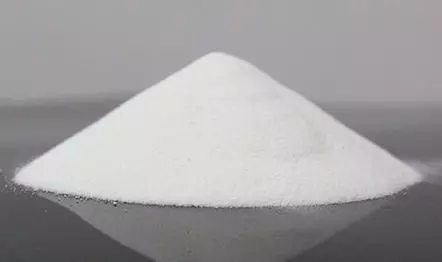
Aluminium Sulfate
Found this useful?