ExxonMobil's Earlier Baytown Pause Foreshadowed Air Products' Louisiana Exit
ExxonMobil paused its large blue hydrogen project in Baytown, Texas, in December. Industry analysts immediately recognized this strategic halt as a clear warning sign for the broader energy sector. This decision directly foreshadowed the massive capital pullback now visible at Air Products following its Louisiana exit. The chemical trading landscape is rapidly shifting away from speculative low-carbon infrastructure. Procurement managers and chemical buyers must now navigate a market where proven profitability dictates project viability. The sudden withdrawal of these mega-projects removes anticipated volumes of industrial gases from the North American supply chain. Buyers must urgently recalibrate their sourcing strategies to secure reliable feedstock alternatives. This market correction demands immediate attention from supply chain professionals managing long-term chemical contracts.
The Baytown Blue Hydrogen Project Pause
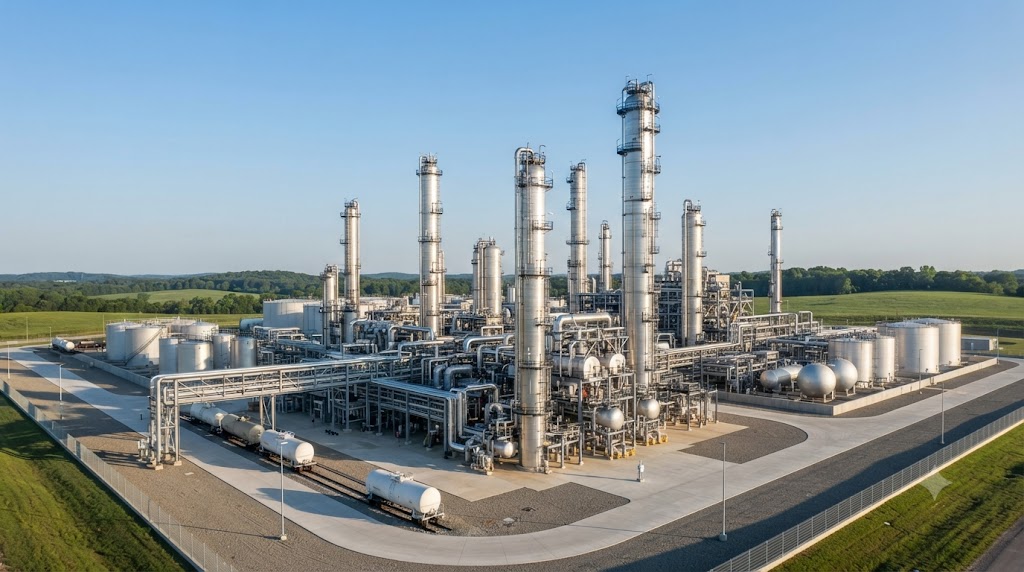
ExxonMobil made the strategic decision to pause its ambitious blue hydrogen facility in Baytown. The project aimed to produce low-carbon hydrogen paired with advanced carbon capture technology. Management cited shifting economic conditions and the need for rigorous capital discipline.
This halt occurred just months before Air Products announced its own Louisiana withdrawal. The parallel timing highlights a synchronized industry reassessment of green and blue hydrogen economics. Large-scale chemical producers are no longer willing to absorb massive upfront costs for uncertain returns.
The Baytown facility was expected to supply significant volumes of clean hydrogen to the Gulf Coast region. Its indefinite suspension leaves a notable gap in projected regional supply. Downstream chemical manufacturers must now seek alternative sources to maintain their production schedules.
Analyst Perspectives on the Broader Industry Pullback
Market analysts viewed the ExxonMobil pause as a leading indicator for the entire specialty chemical sector. Financial experts pointed to rising interest rates and inflationary pressures on construction materials. These macroeconomic factors severely eroded the initial financial models for large-scale hydrogen projects.
Regulatory uncertainty further complicated the investment landscape. Shifting government subsidies and evolving carbon tax frameworks created unpredictable return profiles. Investors demanded shorter payback periods and more transparent regulatory environments.
The subsequent Air Products Louisiana exit validated these early analyst warnings. The industry is collectively pivoting toward assets with proven cash flows. Speculative infrastructure builds are being systematically removed from corporate development pipelines.
Ripple Effects on North American Hydrogen Supply Chains
The combined cancellation of the Baytown and Louisiana projects creates an immediate supply deficit. North American chemical traders will face tighter market conditions for both blue and green hydrogen. Buyers who relied on these future volumes must now secure alternative feedstock providers.
This supply constraint will inevitably place upward pressure on merchant hydrogen pricing. Suppliers with existing operational capacity will gain substantial negotiating leverage in the market. Procurement teams must anticipate stricter allocation protocols during periods of peak demand.
The shortage also impacts derivative markets heavily dependent on clean hydrogen feedstocks. Green ammonia and green methanol producers will face similar feedstock scarcity. Global trade flows will adjust as buyers seek reliable volumes from international markets.
Strategic Shifts in Corporate Capital Allocation
Major chemical producers are actively redirecting capital toward high-margin traditional operations. ExxonMobil and Air Products are prioritizing shareholder returns over speculative energy transitions. This disciplined approach aligns with current macroeconomic realities.
Companies are focusing on upgrading existing facilities to improve operational efficiency. Brownfield expansions offer faster returns and lower execution risks compared to greenfield projects. Management teams are also exploring targeted acquisitions of profitable niche chemical producers.
This capital reallocation strengthens corporate balance sheets significantly. Buyers should expect these suppliers to negotiate from a position of financial strength. The era of aggressive capacity expansion at any cost has officially ended.
Procurement Risks in a Constrained Chemical Market
A supply deficit inherently increases operational risks for downstream manufacturers. Procurement teams must proactively identify and mitigate these vulnerabilities in their supply chains.
Suppliers may enforce strict volume allocations during periods of extreme market tightness. Buyers without long-term commitments risk sudden order reductions or complete cancellations. Force majeure declarations become more frequent when facilities operate at maximum capacity.
Quality consistency may also face pressure as producers maximize throughput. Rigorous incoming inspection protocols are essential to prevent defective batches from disrupting final product manufacturing. Supply chain managers must build robust contingency plans to handle these potential disruptions.
Alternative Sourcing Strategies for Industrial Buyers
Chemical traders must pivot their focus toward securing reliable supplies of derivative products. Ammonia and methanol remain the most viable molecules for transporting hydrogen equivalents across long distances.
Buyers should evaluate the total cost of ownership for importing these derivatives. Sourcing from stable international jurisdictions provides a practical workaround for domestic supply shortages.
Diversify supplier networks across multiple geographic regions to reduce dependency on single sources. This prevents total supply chain disruption during localized operational failures.
Secure long-term contracts with existing producers to guarantee volume allocation and lock in pricing. Fixed agreements provide budget certainty for financial planning.
Evaluate transitional fuels like renewable natural gas to meet interim sustainability goals. These alternatives offer lower carbon intensity than conventional fossil fuels while maintaining reliable supply.
What Buyers Should Do Now
Chemical procurement teams must execute immediate strategic reviews of their industrial gas supply chains. The window for securing favorable long-term agreements is closing rapidly in this tightening market.
Audit your current supplier portfolio to identify single points of failure. Engage alternative vendors to build redundant supply pathways and ensure operational continuity. Update internal forecasting models to reflect sustained market tightness and higher baseline material costs.
Collaborate closely with internal research and development teams to explore formulation optimizations. Reducing hydrogen consumption per unit of final product directly mitigates supply chain exposure. Proactive planning will separate resilient organizations from those caught off guard by market volatility.
Ready to source ammonia anhydrous from verified global suppliers? Explore competitive offers on our platform today.

Ammonia Anhydrous
Found this useful?