
Farmers Brace for Renewed Geopolitical Risk on Top of High Fertilizer Costs
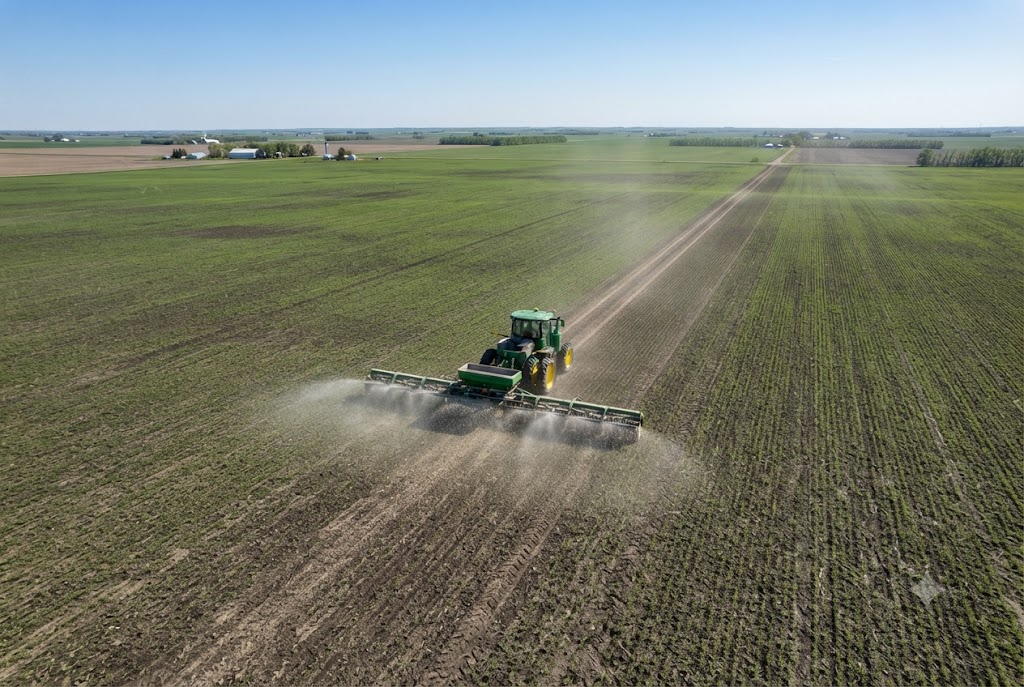
Fertilizer prices already topped the list of profitability threats for 2026 according to Farm Journal’s Ag Economists’ Monthly Monitor. This ranking existed before the recent resurgence of conflict in the Gulf region. Now, farmers must brace for a fourth critical factor: renewed geopolitical risk. This development compounds existing pressures from high energy costs, labor shortages and extreme weather patterns. The intersection of these factors creates a perfect storm for agricultural economics. Input costs are rising at a time when crop revenue forecasts remain uncertain. Procurement managers and farm operators must navigate this complex landscape with precision. Understanding how geopolitical events amplify existing cost burdens is essential for survival. Buyers cannot afford to treat these risks in isolation. A holistic approach to risk management is now mandatory for maintaining operational viability.
The Pre-Existing Cost Crisis in Agriculture
Even before the latest hostilities, farmers faced unprecedented input inflation. Fertilizer costs had already eroded profit margins significantly. Nitrogen, phosphate and potash prices remained elevated due to structural supply constraints.
Energy costs for machinery and irrigation added further pressure. Labor shortages made it difficult to optimize field operations efficiently. Extreme weather events disrupted planting and harvest schedules repeatedly. These three factors created a fragile economic environment for agricultural producers.
The Ag Economists’ Monthly Monitor highlighted these challenges clearly. Profitability projections for 2026 were already conservative. Many farmers operated with minimal financial buffers. The addition of geopolitical instability threatens to push marginal operations into loss territory.
How Gulf Hostilities Amplify Fertilizer Costs
The renewed conflict in the Gulf region directly impacts fertilizer supply chains. Major producers of nitrogen and phosphate operate in or near this volatile zone. Disruptions to maritime logistics increase freight costs significantly.
Insurance premiums for vessels transiting contested waters rise sharply. These additional expenses pass directly to end users. Spot prices for urea and diammonium phosphate spike as buyers compete for limited cargo.
The psychological impact of conflict also drives speculative trading. Market participants price in potential future shortages aggressively. This behavior inflates prices beyond immediate physical supply realities. Farmers face higher costs not just due to scarcity but also due to market fear.
The Fourth Factor: Compounding Operational Risks
Geopolitical risk acts as a multiplier for existing challenges. It exacerbates energy price volatility which drives nitrogen production costs. It disrupts logistics which delays nutrient delivery during critical application windows.
Supply chain friction: Delays in port operations reduce available inventory timing.
Price volatility: Rapid price swings make budgeting nearly impossible for farmers.
Credit constraints: Higher input costs require more working capital which may be scarce.
Yield uncertainty: Reduced nutrient application due to cost leads to lower crop outputs.
These compounding effects create a downward spiral for farm profitability. Operators must make difficult choices about input allocation. Reducing fertilizer use saves money short-term but risks long-term soil health and yields.
Strategic Responses for Agricultural Producers
Farmers must adopt proactive strategies to mitigate these compounded risks. Passive acceptance of higher costs is not a viable business model. Active management of inputs and finances is essential.
Precision agriculture adoption: Use soil testing and variable rate technology to optimize nutrient usage. This reduces waste and lowers total input requirements.
Forward contracting: Lock in fertilizer prices early to avoid spot market volatility. Fixed agreements provide budget certainty despite geopolitical shocks.
Alternative nutrient sources: Explore blended fertilizers or organic amendments that may offer better value. Diversifying nutrient types reduces dependence on single commodities.
Financial hedging: Use agricultural commodity derivatives to offset input cost increases. This strategy protects margins against adverse price movements.
Collaborative purchasing: Join buying cooperatives to leverage volume discounts. Collective bargaining power improves negotiation position with suppliers.
Impact on Long-Term Soil Health and Yields
Cost-driven reductions in fertilizer application have lasting consequences. Insufficient nutrient replenishment degrades soil fertility over time. This degradation leads to lower yields in future seasons regardless of weather conditions.
Farmers must balance short-term financial survival with long-term productivity. Ignoring soil health needs creates a debt that must be paid later. Sustainable nutrient management practices help mitigate this risk.
Cover cropping and crop rotation improve natural soil fertility. These practices reduce reliance on synthetic inputs while maintaining productivity. Integrating these methods builds resilience against volatile input markets.
Navigating Credit and Cash Flow Challenges
Higher input costs strain farm cash flow significantly. Operating loans become more expensive as interest rates remain elevated. Lenders may tighten credit standards due to increased perceived risk.
Farmers must maintain transparent communication with financial institutions. Detailed budget forecasts demonstrating risk mitigation strategies help secure funding. Showing proactive management of input costs builds lender confidence.
Exploring government assistance programs can provide temporary relief. Initiatives like the USDA’s FIELDS program support domestic production stability. Understanding available resources helps manage financial pressure effectively.
What Buyers Should Do Now
The combination of high baseline costs and renewed geopolitical risk demands immediate action. Farmers cannot wait for market conditions to improve spontaneously. Secure necessary fertilizer volumes through reliable channels immediately.
Engage suppliers in transparent discussions about pricing and availability. Verify logistical capabilities to ensure timely delivery. Diversify your sourcing base to mitigate regional supply shocks. Building resilience into your procurement strategy ensures operational continuity despite compounding risks.
Ready to source Urea (Granular) from verified global suppliers? Explore competitive offers on our platform today.
Urea (Granular) - Egypt
Found this useful?