
FDA Approval of Olumiant for Pediatric Alopecia Areata Drives Pharmaceutical Excipient Demand
The pharmaceutical supply chain is experiencing a notable shift following the recent FDA approval of Lilly's Olumiant for severe alopecia areata in patients aged 12 and older. This regulatory milestone expands the market for oral baricitinib and directly impacts the sourcing landscape for pharmaceutical excipients.
Clinical trials demonstrated substantial scalp and eyelash regrowth in this pediatric demographic. Both the 4 mg and 2 mg doses outperformed placebo at Week 36 in Phase 3 trials.
Procurement managers must now anticipate increased manufacturing volumes for this oral solid dosage form. Chemical traders and importers should prepare for heightened demand for high-purity binders and glidants.
This approval underscores the critical need for robust active pharmaceutical ingredient and excipient supply chains. Supply chain resilience will define competitive advantage in the coming quarters.
Clinical Trial Data and Market Validation
The Phase 3 pediatric trial data provides strong clinical validation for this expanded indication. Researchers observed substantial scalp, eyebrow and eyelash regrowth in the target demographic.
Both the 4 mg and 2 mg doses of oral baricitinib beat placebo at Week 36. This clear efficacy profile ensures rapid adoption by pediatric dermatologists and healthcare networks.
Manufacturing facilities will inevitably scale up production to meet this new patient population. Chemical suppliers must align their inventory levels with these projected manufacturing increases.
The distinct dosing requirements mean manufacturers must maintain precise excipient ratios for both tablet formulations. This dual-dose production strategy requires meticulous inventory management of active and inactive ingredients.
Procurement teams must secure reliable supplies of both low-dose and high-dose formulation components. This prevents production bottlenecks during the critical market launch phase.
Supply Chain Implications for Pharmaceutical Excipients
Producing oral baricitinib tablets requires specific high-purity excipients to ensure consistent drug delivery. Manufacturers rely on precise formulations to maintain the stability and bioavailability of the active ingredient.
Binding agents must meet stringent pharmacopeial standards to ensure tablet integrity during packaging and transport. Glidants like fumed silica are essential for maintaining consistent powder flow during high-speed tablet compression.
Disintegrants must function reliably to guarantee rapid dissolution of the medication in the gastrointestinal tract. Procurement teams should audit their current supplier networks to verify compliance with these exact specifications.
Any deviation in raw material quality can compromise the entire batch of finished pharmaceutical product. Sourcing managers must prioritize vendors who can provide comprehensive batch-to-batch consistency documentation.
Furthermore, the hygroscopic nature of certain active ingredients demands specialized moisture-controlling excipients. Suppliers must demonstrate rigorous quality control over the moisture content of their delivered chemical products.
Manufacturing Scale and Raw Material Sourcing
Scaling production for a newly approved pediatric indication demands advanced pharmaceutical manufacturing capabilities. Tablet compression and coating processes must yield highly consistent batches to satisfy strict regulatory mandates.
This consistency relies heavily on the quality of upstream chemical inputs. Sourcing managers must prioritize vendors with proven track records in pharmaceutical-grade chemical production.
Geographic diversification of suppliers will mitigate the risk of regional logistics disruptions. Establishing long-term contracts with reliable manufacturers ensures uninterrupted access to critical raw materials.
Furthermore, the packaging requirements for pediatric medications often involve specialized moisture barriers. Buyers must source these protective materials from vendors with certified quality control protocols.
The synthesis of the active pharmaceutical ingredient itself requires high-purity solvents and catalysts. Chemical traders should anticipate increased demand for these specialized upstream processing materials.

Key Price Drivers in Pharmaceutical Chemical Markets
The cost of pharmaceutical-grade chemicals fluctuates based on several macroeconomic factors. Energy prices directly impact the manufacturing costs of synthetic excipients and specialized solvents.
Natural gas price volatility particularly affects the production of nitrogen-based chemical intermediates. Regulatory compliance costs also contribute to the final price of certified raw materials.
Suppliers must invest heavily in quality control laboratories and comprehensive documentation systems. Currency exchange rates play a significant role in international chemical trading.
Procurement teams should utilize hedging strategies to manage financial exposure during long-term supply contracts. Demand spikes from major pharmaceutical approvals can temporarily tighten market supply.
Early engagement with suppliers helps secure favorable pricing before market-wide shortages occur. Transportation costs for hazardous or temperature-sensitive chemicals also add upward pressure on final prices.
Buyers must factor these logistics premiums into their total cost of ownership calculations. Accurate forecasting prevents unexpected budget overruns.
Regulatory Compliance and Quality Assurance
Regulatory agencies maintain strict oversight over any changes in drug manufacturing processes. The FDA clearance of Olumiant for pediatric use sets a high precedent for quality assurance.
Manufacturers must implement rigorous quality protocols throughout the entire production lifecycle. Every batch of raw chemical material requires a comprehensive certificate of analysis.
Traceability from the original chemical synthesis to the final formulated tablet is non-negotiable. Procurement professionals must verify that their suppliers adhere to current Good Manufacturing Practice standards.
Audits of supplier facilities should occur regularly to maintain strict compliance. Any lapse in documentation can result in severe production delays and regulatory penalties.
Excipient suppliers must also maintain active Drug Master Files with relevant health authorities. This documentation proves the safety and purity of the chemical components used in human therapies.
Global Market Dynamics and Trade Flows
The global market for autoimmune and dermatological therapies continues to expand rapidly. Emerging economies represent significant growth opportunities for advanced oral treatments.
However, international trade of pharmaceutical chemicals faces complex regulatory hurdles. Importers and exporters must navigate varying regional requirements for chemical registration and safety data sheets.
Tariff fluctuations and logistics bottlenecks can further complicate the global supply chain. Strategic sourcing partnerships help mitigate these international trade risks effectively.
Customs clearance for pharmaceutical ingredients requires precise harmonized system coding. Working with experienced freight forwarders ensures smooth cross-border transactions for critical medical supplies.
Regional manufacturing hubs in Asia continue to dominate the bulk excipient market. Western procurement teams must balance cost advantages with rigorous supplier qualification processes.
Sustainability and the Green Chemistry Angle
The pharmaceutical industry is increasingly prioritizing sustainable manufacturing practices. Buyers now evaluate suppliers based on their environmental impact and waste reduction strategies.
Green chemistry principles encourage the use of renewable feedstocks and safer solvents. Manufacturers adopting these practices often gain a competitive advantage in procurement evaluations.
Carbon footprint tracking is becoming a standard requirement in chemical supply contracts. Suppliers must provide transparent data regarding their energy consumption and emissions.
Investing in sustainable chemical sourcing aligns with broader corporate environmental goals. This alignment strengthens long-term partnerships between chemical traders and pharmaceutical manufacturers.
Solvent recovery systems are becoming mandatory in many advanced chemical production facilities. Buyers should favor suppliers who actively invest in these circular economy technologies.
What Procurement Teams Need to Know
Chemical buyers must act proactively to secure their position in this evolving market. Evaluating supplier capacity is the first critical step in this process.
Buyers should request detailed production forecasts from their current vendors. Negotiating flexible volume agreements protects against sudden demand spikes.
Investing in supplier quality audits builds long-term operational resilience. The market for specialized pharmaceutical ingredients will remain highly competitive.
Cross-functional collaboration between procurement and quality assurance teams is essential. This alignment ensures that all sourced materials meet both commercial and regulatory standards.
Implementing a dual-sourcing strategy for critical excipients prevents single points of failure. Regular market intelligence reviews will keep procurement teams ahead of emerging supply constraints.
The Bottom Line for Pharmaceutical Buyers
The approval of oral baricitinib for pediatric alopecia areata represents a significant milestone in dermatological care. It also creates immediate and tangible shifts in the chemical supply chain.
Procurement leaders must adapt their sourcing strategies to accommodate new formulation requirements. Securing high-quality excipients and active ingredients will define competitive advantage in this sector.
Strategic foresight and rigorous supplier management are now absolute necessities. Companies that proactively secure their chemical supply chains will capture the greatest market share.
Ready to source Sodium Carboxyl Methyl Cellulose from verified global suppliers? Explore competitive offers on our platform today.
Source:
https://chemxplore.com/news/fda-approves-olumiant-pediatric-alopecia-areata
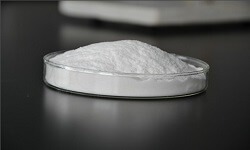
Sodium Carboxyl Methyl Cellulose
Found this useful?