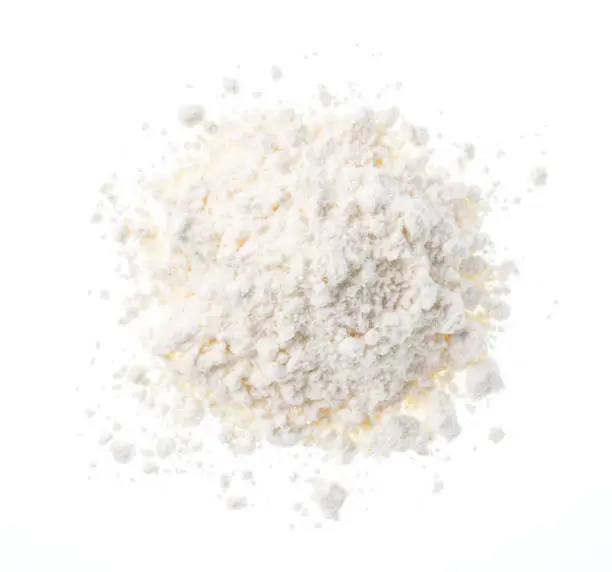
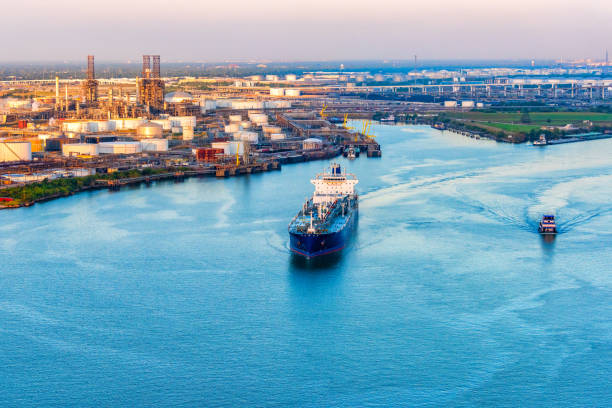
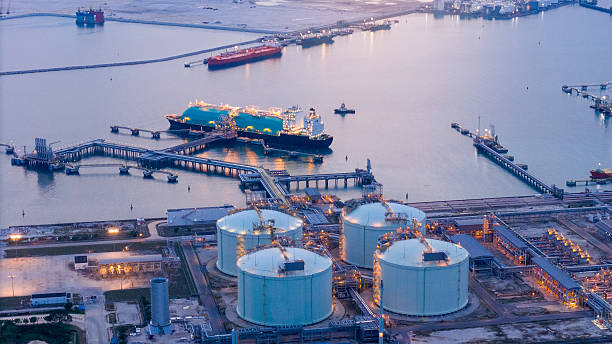
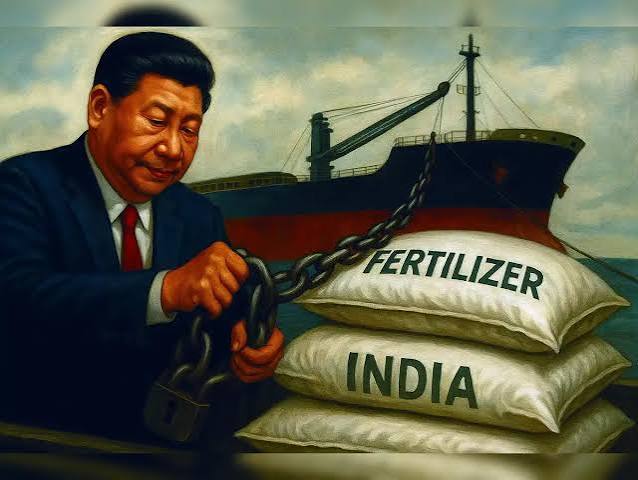
China, Russia, Morocco, Saudi Arabia and the United States dominate global fertilizer exports, making policy decisions from any single producer highly influential across international markets.
Five-Country Fertilizer Concentration: An Intelligence Baseline Worth Revisiting
Global fertilizer markets depend on a surprisingly concentrated group of exporting nations. While dozens of countries manufacture fertilizer products, international trade remains heavily influenced by China, Russia, Morocco, Saudi Arabia and the United States. Together, these countries occupy strategically important positions across nitrogen, phosphate and other essential fertilizer supply chains.
This concentration means that procurement professionals must look beyond traditional supply-and-demand analysis. Decisions made by just one of these exporters—whether related to production, exports, maintenance schedules or domestic policy—can reshape global market expectations within days.
Recent developments involving export timing measures and supply management have once again demonstrated why understanding this concentration remains one of the most valuable forms of market intelligence.
Why Supply Concentration Matters
Commodity markets become increasingly sensitive when production or exports are concentrated among relatively few suppliers.
In diversified markets, disruptions from one producer can often be offset elsewhere.
Highly concentrated markets behave differently.
Changes affecting one major exporter may quickly influence:
Global availability.
Export pricing.
Freight demand.
Regional inventories.
Buyer confidence.
Procurement strategies.
The fertilizer industry increasingly reflects this pattern.
As a result, monitoring major exporting nations has become as important as tracking commodity prices themselves.
The Strategic Role of the Five Leading Exporters
Each of the five countries contributes differently to global fertilizer trade.
China
China remains one of the world's largest producers of fertilizer products and has repeatedly demonstrated that export timing measures can influence international supply expectations.
Its production scale gives policy decisions significant global visibility.
Russia
Russia continues serving global agricultural markets through major fertilizer exports.
Production capacity, logistics and international trade conditions surrounding Russian exports remain important variables for procurement teams.
Morocco
Morocco occupies a uniquely important position in global phosphate markets.
Its extensive phosphate reserves and processing capacity make the country one of the world's most strategically significant fertilizer suppliers.
Saudi Arabia
Saudi Arabia has steadily expanded its role as a leading producer of nitrogen fertilizers and petrochemical feedstocks.
Its competitive energy costs support large-scale fertilizer manufacturing and export activity.
United States
The United States contributes substantial fertilizer production while also influencing global agricultural demand, trade flows and market pricing through its domestic farming sector.
Together, these five countries shape much of the world's fertilizer trade landscape.
Why One Policy Decision Can Influence Global Markets
Because exports remain concentrated, policy changes from one country frequently extend well beyond national borders.
Examples include:
Even temporary measures can influence buyer expectations before physical shortages develop.
Commodity markets frequently react to anticipated supply changes rather than waiting for confirmed disruptions.
Export Decisions Create Intelligence Signals
Procurement professionals increasingly view government announcements as market intelligence rather than political news.
Announcements regarding:
often provide early indicators of future market direction.
Monitoring these signals allows buyers to anticipate changing market conditions before prices fully respond.
Fertilizer Markets Extend Beyond Individual Products
Although nitrogen and phosphate products receive significant attention, concentration affects numerous downstream products.
Major traded materials include:
Supply changes affecting one product frequently influence broader fertilizer purchasing decisions across agricultural markets.
Understanding cross-product relationships therefore strengthens procurement planning.
Procurement Teams Should Diversify Risk
Heavy reliance on a single exporting region increases exposure to market volatility.
Procurement strategies increasingly emphasize:
Multiple supplier relationships.
Regional sourcing diversity.
Flexible contracts.
Inventory optimisation.
Continuous policy monitoring.
Logistics contingency planning.
Diversification helps reduce operational risk when export conditions change unexpectedly.
Market Intelligence Is Becoming More Strategic
Traditional procurement often focused primarily on price.
Modern commodity intelligence increasingly incorporates:
The concentration of fertilizer exports among a limited number of major producers makes this broader perspective increasingly valuable.
Companies monitoring these intelligence signals generally respond faster to changing market conditions.
Looking Beyond Short-Term Volatility
While individual export decisions can create temporary market volatility, the broader lesson concerns structural concentration.
As long as global fertilizer trade remains heavily influenced by a relatively small number of exporting nations, procurement professionals should expect policy decisions to continue carrying disproportionate market importance.
Monitoring only commodity prices is no longer sufficient.
Successful procurement increasingly depends upon understanding the strategic decisions made by the world's leading fertilizer exporters.
Lessons for Global Buyers
The recent evolution of fertilizer markets reinforces several practical lessons.
Procurement teams should:
Monitor export policy announcements continuously.
Track production developments across major exporting nations.
Evaluate regional supply alternatives.
Maintain flexible purchasing strategies.
Build supplier diversification.
Integrate geopolitical intelligence into procurement planning.
These practices improve resilience while reducing exposure to sudden policy-driven disruptions.
Final Takeaway
The concentration of fertilizer exports among China, Russia, Morocco, Saudi Arabia and the United States provides an important intelligence baseline for understanding today's agricultural commodity markets.
Recent export decisions have demonstrated that actions by any one of these countries can quickly influence international pricing, supply availability and procurement behaviour.
Rather than treating individual policy announcements as isolated events, procurement professionals should evaluate them within the broader context of global supply concentration.
As fertilizer markets continue evolving, organisations combining commodity analysis with geopolitical awareness and supply chain intelligence will be better positioned to navigate future market volatility and secure reliable long-term supply.
Ready to source Diammonium Phosphate (DAP 18-46-0) from verified global suppliers? Explore competitive offers on our platform today.