
Formosa Petrochemical Drops Russian Naphtha: How Sanctions Reshape Asian Feedstock Sourcing
Global chemical markets are witnessing a massive realignment in raw material procurement strategies. Formosa Petrochemical recently confirmed its pivot away from Russian origin naphtha, signaling a major shift in Asian feedstock sourcing decisions.
This strategic withdrawal highlights the growing impact of international sanctions scrutiny on basic petrochemical supply chains. Traders and procurement managers now face a completely redrawn map for liquid feedstock deliveries.
The decision forces regional steam crackers to secure alternative cargoes from the Middle East and the Americas. This transition directly impacts the cost and availability of downstream polymers across the entire Pacific basin.
Buyers of ethylene and propylene derivatives must adjust their contract expectations immediately. The sections below explore how this specific corporate pivot alters global trade flows and what it means for your next polymer contract.
The Mechanics of the Formosa Petrochemical Naphtha Pivot
Formosa Petrochemical operates one of the largest and most integrated refining and petrochemical complexes in Asia. The company traditionally purchased massive volumes of discounted Russian naphtha to feed its Mailiao steam crackers.
International sanctions scrutiny recently tightened around maritime insurance and shipping finance for Russian origin cargoes. This regulatory pressure made it increasingly difficult and expensive to secure reliable vessel charters for these specific liquid feeds.
Management decided to halt these purchases entirely to protect the operational continuity of their downstream derivative plants. Relying on legally complex cargoes introduced unacceptable force majeure risks into their supply chain.
This pivot removes a major baseline buyer from the Russian export market. The physical barrels must now find new homes while Formosa scrambles to replace the lost volume.
Sanctions Scrutiny and the Maritime Insurance Squeeze
The real bottleneck in global feedstock trade is not the physical availability of the liquid itself. The constraint lies in the maritime insurance and financial services required to move millions of barrels across international waters.
Western nations implemented strict price caps and insurance bans on Russian petroleum products. These rules prevent major global protection and indemnity clubs from covering tankers carrying non compliant cargoes.
Asian buyers initially relied on alternative insurance providers to keep these trade flows moving. However the secondary sanctions threat recently expanded to include foreign financial institutions facilitating these transactions.
This expanded scrutiny completely changes the risk calculus for major corporate buyers. A single blocked payment or detained vessel can halt a multi million dollar chemical operation for weeks.
Redirecting Asian Feedstock Sourcing to Alternative Origins
Formosa Petrochemical must now replace millions of tonnes of annual feedstock with non Russian alternatives. This massive purchasing requirement immediately tightens the physical market for Middle Eastern and American naphtha.
Middle Eastern suppliers: Producers in the United Arab Emirates and Saudi Arabia see increased lift nominations as Asian buyers compete fiercely for their available spot cargoes.
US Gulf Coast exporters: American refiners and traders redirect their surplus liquid feeds toward the Pacific basin to capture the widening geographical arbitrage.
African and Mediterranean origins: Cargoes from Algeria and Nigeria experience higher demand as buyers seek geographically diverse supply lines to mitigate transit risks.
This sudden surge in alternative demand drives up the baseline price for compliant feedstocks. The discount that Asian buyers previously enjoyed completely evaporates under this new sourcing regime.
Logistical Bottlenecks and Freight Market Impacts
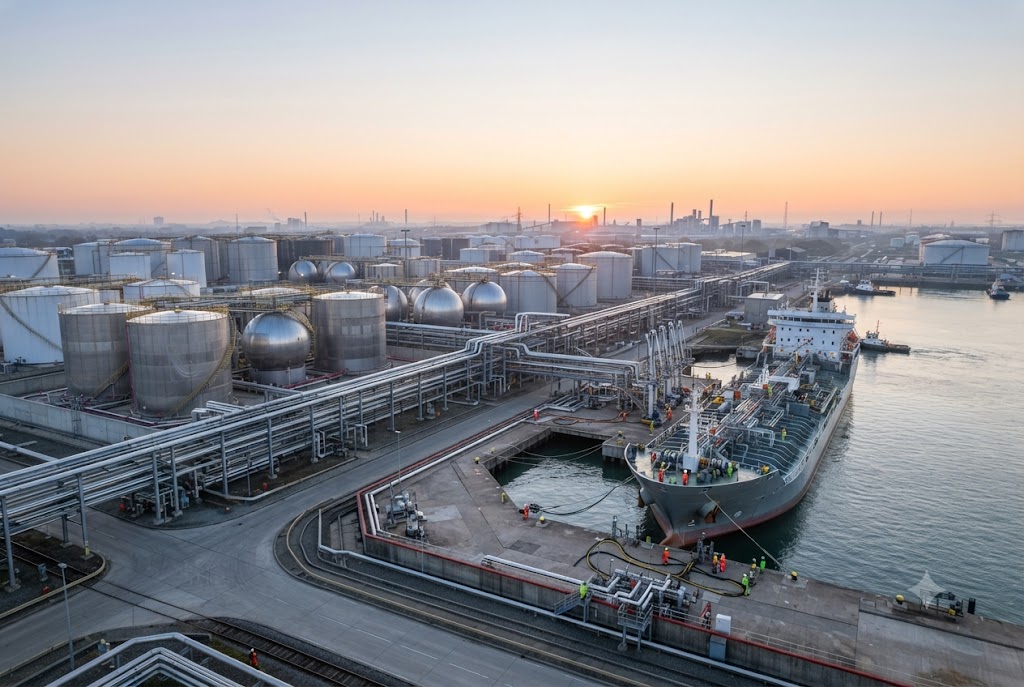
Redirecting millions of tonnes of liquid feedstock across the globe severely strains the existing maritime infrastructure. The sudden shift in trade routes creates massive logistical bottlenecks at key loading and discharge ports.
Medium range tankers that previously ran short routes now undertake much longer voyages from the Americas or West Africa. This increased sailing time effectively removes vessel capacity from the global fleet and drives up charter rates.
Port congestion worsens as Asian terminals struggle to handle the sudden influx of diverse cargoes. Terminal operators must carefully schedule discharge arms to prevent dangerous mixing of different naphtha grades in their storage tanks.
These freight and logistics premiums add a hidden cost to the final landed price of the feedstock. Procurement teams must factor these shipping surcharges into their overall raw material budgets.
Impact on Steam Cracker Margins and Polymer Pricing
Steam crackers operate on razor thin margins that depend heavily on securing the cheapest possible feedstock. The loss of discounted Russian barrels forces Formosa and its regional peers to pay full market price for compliant naphtha.
This immediate increase in raw material costs compresses the crack spread for basic olefins. Producers must either absorb the margin squeeze or pass the higher costs directly to downstream polymer buyers.
Buyers of polyethylene and polypropylene will see these feedstock cost increases reflected in their quarterly contract negotiations. The era of artificially suppressed polymer pricing driven by sanctioned feedstock discounts is rapidly coming to an end.
The Ripple Effect on Aromatics and Specialty Chemicals
Naphtha cracking yields a complex slate of byproducts that extend far beyond basic ethylene and propylene. The liquid feedstock also produces massive volumes of benzene, toluene and mixed xylenes during the reforming process.
When major crackers alter their feedstock diet or reduce their overall processing rates, the supply of these critical aromatics tightens immediately. This shortage cascades down into the specialty chemical and synthetic rubber markets.
Styrene monomer producers face intense margin pressure as their primary benzene feedstock becomes more expensive and harder to source. This dynamic eventually forces price increases for expanded polystyrene and acrylonitrile butadiene styrene resins.
Procurement teams sourcing these specific derivatives must track the naphtha reforming economics closely. A shift in feedstock origin directly dictates the physical availability of these high value aromatic building blocks.
The Role of Long Term Contracts Versus Spot Purchases
The shifting regulatory landscape completely changes how buyers structure their feedstock agreements. Long term contracts provide physical security but expose buyers to severe financial risk if sanctions rules change during shipment.
Smart procurement teams now demand strict compliance clauses in their multiyear supply agreements. These clauses allow buyers to cancel scheduled cargoes without penalty if the origin country faces sudden international sanctions.
Spot purchases offer maximum flexibility but carry immense price volatility. Buyers relying solely on the spot market face severe margin squeezes when compliant cargoes become temporarily scarce.
The most resilient chemical companies blend both approaches to balance supply security with financial agility. They lock in baseline volumes through compliant long term contracts while using the spot market to cover unexpected production spikes.
How Traders Navigate the New Compliance Landscape
Chemical trading houses play a vital role in bridging the gap between compliant suppliers and desperate Asian buyers. These intermediaries absorb the immense logistical and financial risks associated with moving liquid feedstocks across the globe.
Traders must now implement rigorous chain of custody documentation for every single cargo they handle. Buyers demand absolute proof of origin before they allow a vessel to dock at their marine terminals.
This compliance burden increases the administrative overhead for every physical transaction. Trading desks employ dedicated compliance officers to verify certificates of origin and ensure every financial transfer clears international banking screens.
The cost of this rigorous compliance ultimately gets baked into the final landed price of the chemical. Buyers pay a premium for the peace of mind that their feedstock will not face sudden regulatory detention.
What Procurement Teams Should Do Now
The structural shift in Asian feedstock sourcing requires immediate adjustments to corporate purchasing strategies. Procurement managers can no longer assume that discounted feedstock will artificially suppress downstream polymer prices.
Audit your current supplier base to ensure they possess robust compliance frameworks for their raw material sourcing. A supplier caught using sanctioned feedstock could face sudden operational shutdowns that starve your own manufacturing lines.
Diversify your polymer origins to include producers located in regions with secure domestic feedstock supplies. North American and Middle Eastern producers offer excellent supply security because they rely entirely on local ethane and compliant naphtha.
Negotiate flexible pricing mechanisms that account for sudden spikes in compliant feedstock costs. This contractual agility protects your procurement budget when global sanctions enforcement suddenly tightens.
The global chemical market adapts quickly to new regulatory realities and shifting trade flows. Ready to source styrene monomer from verified global suppliers? Explore competitive offers on our platform today.
Styrene Monomer
Found this useful?