Europe's chemical industry continues to face one of its most challenging operating environments in decades, yet the latest Cefic Chemical Trends Report Q1 2026 shows that not every country is experiencing the downturn in the same way. While France recorded modest production growth, Germany, Italy and the Netherlands continued to report significant contractions.
For procurement professionals, this difference is more than an economic statistic. It provides valuable insight into regional competitiveness, supplier resilience and how national energy and industrial policies are influencing the European chemical market.
One Market, Different Outcomes
The European Union operates as a single market with common regulatory standards, yet chemical production performance varies considerably between member states.
This divergence demonstrates that regulation alone does not determine industrial competitiveness. National energy systems, production costs and government support measures continue to influence how chemical manufacturers perform during periods of market stress.
The latest production data suggests that suppliers operating in different European countries may face very different commercial conditions despite serving the same regional market.
One of the most important competitive advantages for French chemical producers is access to comparatively lower industrial electricity costs.
France's electricity system relies heavily on nuclear power, providing greater price stability than markets that depend more heavily on imported natural gas for electricity generation.
For energy-intensive chemical manufacturing, lower electricity costs can improve production economics across a wide range of products.
Additional factors supporting French producers include:
Government recognition of the chemical industry as a strategic manufacturing sector.
Continued policy support for domestic industrial production.
More stable operating costs in comparison with several neighbouring countries.
These advantages help explain why French production has remained more resilient during the current downturn.
Germany's Challenges Reflect Structural Pressures
Germany remains Europe's largest chemical manufacturing base, but producers continue facing significant economic challenges.
Several structural factors continue affecting competitiveness:
Higher industrial energy costs.
Weak demand from construction and manufacturing sectors.
Ongoing restructuring across the chemical industry.
Lower capacity utilisation at many production facilities.
These conditions have placed sustained pressure on profitability, leading companies to reduce costs, optimise production networks and review long-term investment plans.
How Energy Costs Influence Commodity Chemical Pricing
Energy represents one of the largest operating costs for many commodity chemical producers.
Lower electricity prices improve manufacturing competitiveness by reducing production expenses across energy-intensive processes.
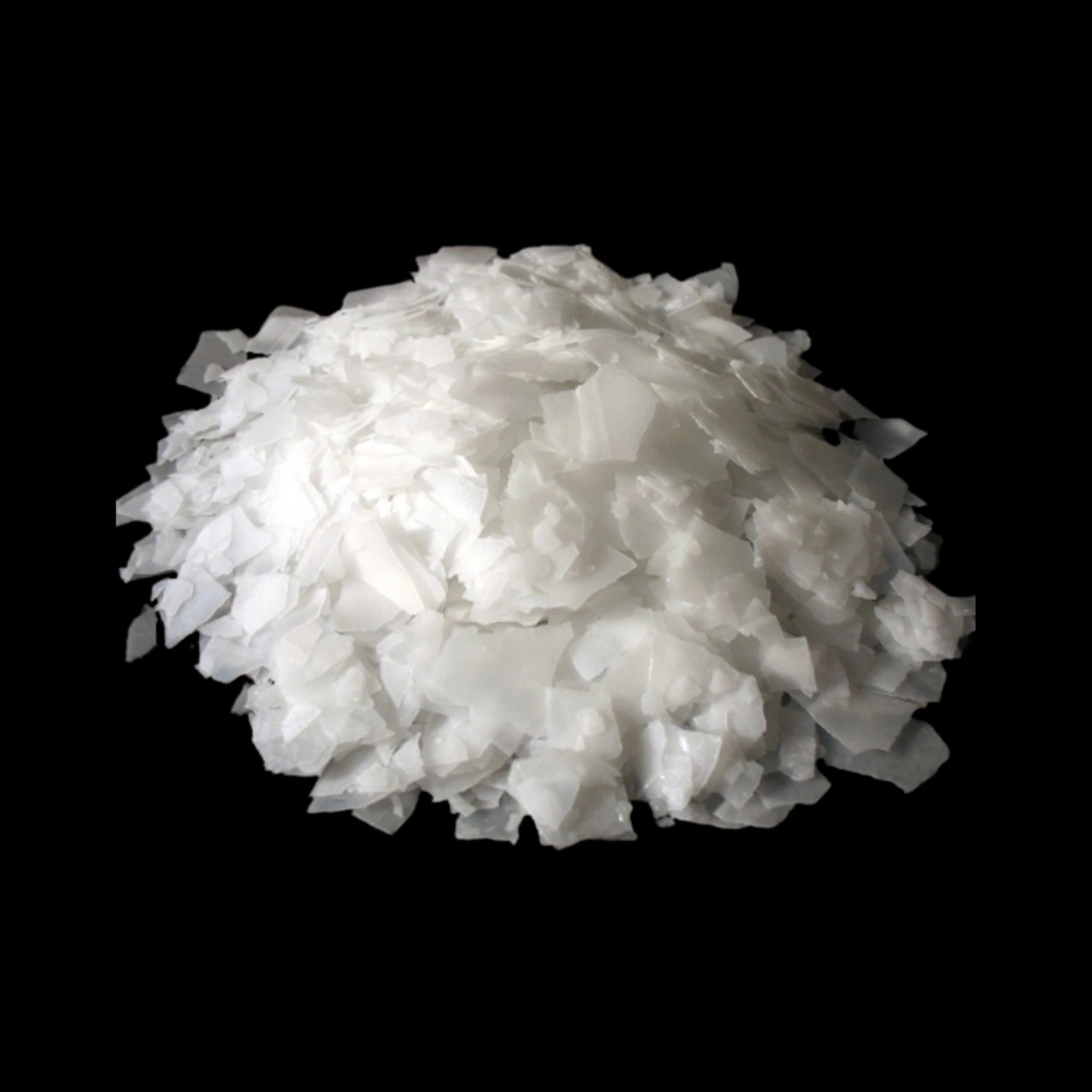
For products such as caustic soda, chlorine, methanol derivatives and numerous inorganic chemicals, differences in national energy costs can influence supplier pricing even when raw material costs remain similar.
Procurement teams should therefore consider production origin alongside traditional pricing analysis.
What This Means for Procurement Decisions
The growing divergence between France and Germany creates practical considerations for buyers sourcing across Europe.
Current market conditions suggest that French-origin commodity chemicals may offer competitive advantages in certain situations because producers face a more favourable operating environment.
Potential benefits include:
Greater pricing competitiveness for selected commodity chemicals.
Improved financial resilience among producers.
Higher confidence in maintaining long-term production.
Lower exposure to some energy-related cost pressures.
However, supplier selection should never rely solely on manufacturing location.
Buyers should also evaluate product quality, logistics, contractual terms, technical support and overall supply chain reliability.
Financial Health Matters as Much as Price
Periods of prolonged market weakness place pressure on chemical manufacturers across Europe.
Companies operating in more favourable cost environments often have greater flexibility to continue investing in maintenance, production efficiency and customer service while competitors focus on cost reduction.
For procurement professionals, financially resilient suppliers may provide:
More stable production schedules.
Greater investment in operational reliability.
Better long-term partnership opportunities.
Reduced risk of unexpected capacity reductions.
Understanding supplier economics helps buyers assess commercial risk alongside purchase price.
Building a Regional Sourcing Strategy
The latest European market data reinforces the importance of diversified sourcing.
Rather than concentrating purchases within one country, procurement teams should consider balancing supply across multiple European manufacturing locations.
A resilient strategy may include:
Comparing supplier competitiveness by production origin.
Monitoring national energy market developments.
Tracking government industrial policy announcements.
Reviewing supplier investment and expansion plans.
Maintaining qualified alternative suppliers across different regions.
This approach improves flexibility while reducing exposure to country-specific market pressures.
What Buyers Should Watch Through 2027
Cefic's Q1 2026 figures illustrate that Europe's chemical industry is no longer moving as a single market from a competitiveness perspective. France's modest production growth contrasts with continued contractions in Germany, Italy and the Netherlands, highlighting how national energy structures and industrial policies increasingly influence manufacturing performance.
For commodity chemical buyers, this divergence offers valuable guidance when evaluating sourcing options. French producers may currently benefit from stronger cost competitiveness and greater financial stability, while German manufacturers continue adapting to structural economic pressures. Procurement teams that incorporate these regional dynamics into supplier evaluations will be better positioned to balance cost, reliability and long-term supply security.
Ready to source commodity chemicals from verified global suppliers? Explore competitive offers on our platform today.