

Freight and Logistics Cost Trends in Chemical Trading: Shipping Rates, Fuel Costs, and Their Impact on Delivered Prices
Freight and Logistics Cost Trends in Chemical Trading: Shipping Rates, Fuel Costs, and Their Impact on Delivered Prices
Shipping Rates At Historic Highs
Q4 2026 freight rates are projected to climb across parcel, less-than-truckload, and truckload transportation as high fuel costs, tighter capacity, and peak-season surcharges add pressure to year-end shipping costs. The latest TD Cowen/AFS Freight Index projects record-high ground and express parcel costs, highest truckload rates since Q1 2022, and LTL index more than 80% above its January 2018 baseline for first time.
The index points to rest of 2026 as most expensive parcel shipping period. High fuel prices, constrained capacity and seasonal surcharges expected to push transportation costs to record levels during 2026 holiday shipping season. Fourth-quarter forecast projects record-high ground and express parcel rates, less-than-truckload rates more than 80% above January 2018 levels, and truckload rates at highest point since first quarter of 2022.
In LTL freight, fuel surcharge closely mirrors diesel price trends, as evidenced by chart spiking in early months of Iran war, subsiding in early summer and increasing sharply. Disciplined pricing and elevated fuel costs projected to continue upward momentum and make Q4 2026 third straight quarter with all-time high. LTL rate per pound index expected to reach 82.5% above January 2018 baseline, up 8.8% year on year and first quarter on record to break 80%.
Ocean freight market update Q3 2026 in retrospect shows how ocean freight rates developed. In September 2026, Shanghai Containerized Freight Index was 231% higher than same month previous year and 44% higher than in June. Decline expected in fourth quarter as seasonal volumes decrease, however rates likely remain significantly higher than last year's levels until 2027. Schedule adherence dropped to lowest level since 2022.
Fuel Costs – The Structural Driver
While diesel and jet fuel are major costs for ground and express parcel, fuel surcharge has become revenue lever for carriers in addition to pass-through mechanism for covering cost of doing business, said Mingshu Bates, chief analytics officer and president of parcel, AFS Logistics. Even if crude oil normalizes and fuel prices recede, effective fuel surcharge will not show material decrease.
We expect fuel to drive elevated transportation costs for foreseeable future. Brent crude forecast to average 91 dollars per barrel in 2026 up from 69 dollars in 2025 before easing to 79 dollars in 2027. Crisis in West Asia dealt massive blow to energy production, with global oil supply projected to fall by 5.2%, 5.5 million barrels per day in 2026. Liquefied petroleum gas shipments stall as Gulf exports collapse, Goldman Sachs identifies LPG as key shortage risk in Q2 2026.
For chemical trading, fuel impacts multiple layers. Naphtha, primary liquid feedstock, tracks crude. When crude surges due to geopolitical tensions, naphtha prices rise. Energy is fundamental cost component in many chemical production processes. Changes in crude oil, natural gas, and other feedstock prices can influence production economics, although degree of impact varies by product and manufacturing route.
How Freight And Logistics Impact Delivered Chemical Prices
Chemical manufacturing trends describe structural shifts that change how chemicals are produced, priced, qualified, and delivered. They include feedstock economics, catalyst efficiency, environmental controls. Conversion efficiency, utility cost, and process yield often determine competitiveness more sharply than raw feedstock benchmarks alone, but logistics now adds persistent premium.
Logistics impact window 2 to 6 weeks, affecting landed cost, MOQ planning, and cash tied up in safety stock. That window matters for food-grade minerals and vitamins where lead time movement from 2 to 3 weeks to 5 to 7 weeks forces higher buffer inventory.
For example, zinc sulfate monohydrate food grade FCC requires 25 kg PE-lined multiwall bags, pallets, and often jumbo bags for bulk. Higher freight rates increase landed cost per kilo of elemental zinc, even if FOB price stable. Similarly, calcium carbonate GCC versus PCC decision affected by transport: natural GCC with low-energy milling and local limestone source has lower freight per ton of calcium than synthetic PCC requiring more processing and longer supply chain.
Acetate solvents saw higher acetic acid costs supporting ethyl acetate and butyl acetate, although cautious buying limited price increases. Methanol tight coastal availability and limited import arrivals supported Chinese prices. These developments show how freight and import constraints directly support prices even when underlying demand subdued.
Chemicals price trends by region in 2026 show feedstock structure affects more than price, it can influence impurity profile, lot consistency, and production flexibility. Feedstock advantage real but not permanent, and logistics advantage similarly temporary.
Regional Variations In Chemical Logistics
Europe faces severe operational pressures due to elevated natural gas expenditures. High natural gas costs led to idling of acetyls units at Hull in UK. European paints and coatings solvent markets showed predominantly bullish trend during Q1 2026, driven by elevated energy costs, tighter regional supply, and stable coatings demand. Overall elevated production costs, energy inflation, and resilient demand supported broader European market.
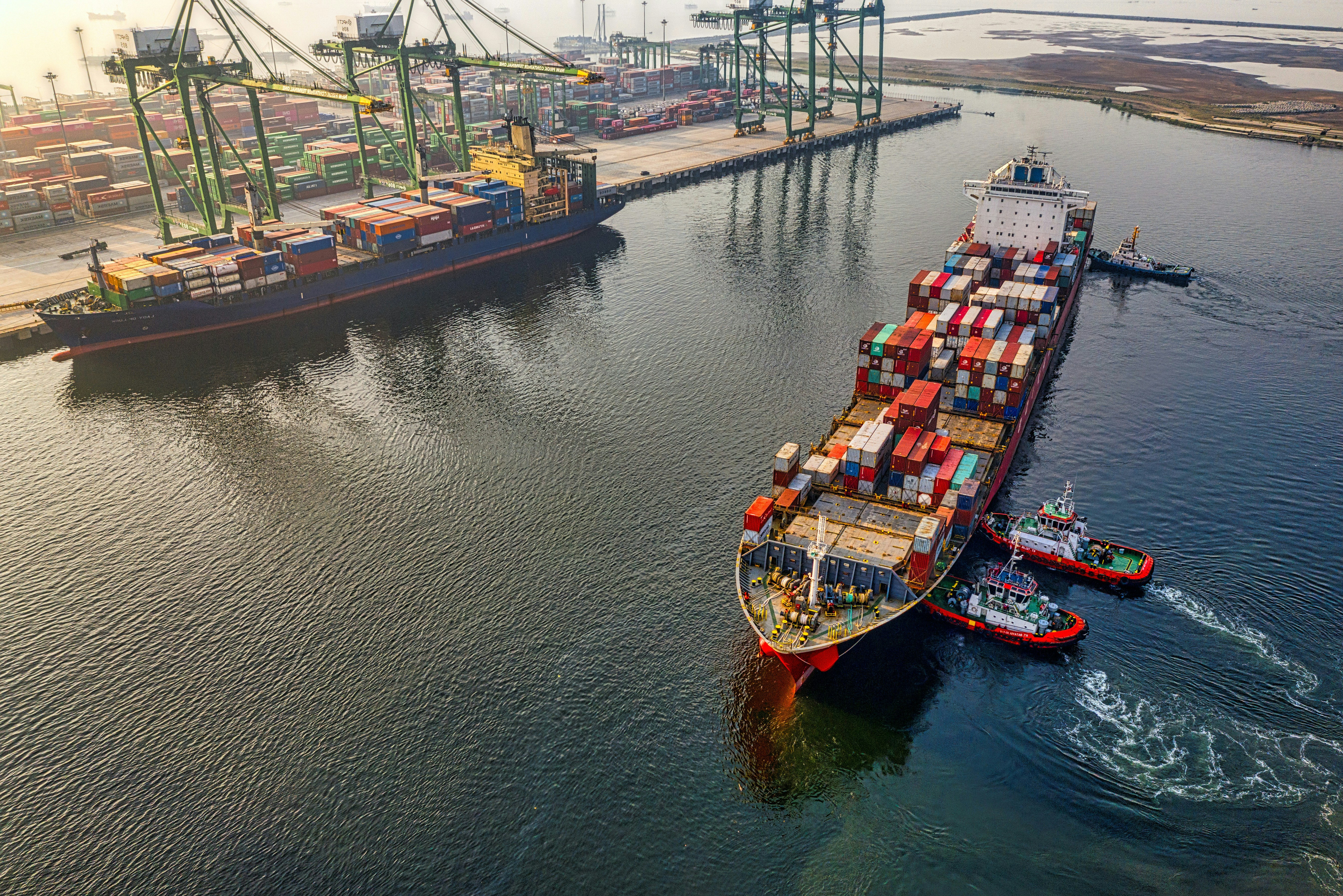
Asia Pacific experienced restricted import arrivals and elevated feedstock costs triggering significant price increases for primary industrial intermediates. In September 2026, Shanghai Containerized Freight Index 231% higher year on year reflects tight container availability for chemical exports from China. That affects exports of zinc sulfate, ferrous fumarate, and calcium carbonate to Africa, Middle East, and Europe.
North America retains feedstock advantage due to cheap ethane and natural gas liquids, but parcel and LTL costs at record highs offset some advantage for domestic distribution. Truckload rates at highest since Q1 2022 mean moving 20-ton loads of minerals from port to inland premix plants costs significantly more than in 2025.
GCC countries adopted 12-digit HS codes January 1 2025, with precision tariffs for calcium carbonate and salts, adding customs complexity and potential delays that increase logistics costs.
Impact On Food-Grade Minerals And Premixes
For food-grade minerals, freight and logistics directly affect delivered price and quality. Minerals like zinc sulfate heptahydrate versus monohydrate have different bulk densities, affecting freight per ton of elemental zinc. Monohydrate 36.4% Zn ships more efficiently than heptahydrate 22.7%, reducing freight per unit of zinc, even though invoice price per kilo higher.
Ferrous fumarate reddish powder requires protection from moisture during sea freight. Quadruple fortified salt studies show that HPMC and soy stearin coatings retain over 90% after six months storage at elevated temperature and humidity, but poor logistics with high humidity and temperature during transit can degrade uncoated premixes, causing losses.
Vitamin A degradation in premixes accelerated by heat during shipping. Higher transit times due to schedule adherence dropping to lowest since 2022 increase exposure to heat and humidity, requiring more robust packaging and cold chain for sensitive vitamins like vitamin A and D3.
Food manufacturers promoting regionally sourced, sustainably mined calcium carbonate reduce freight miles and carbon footprint, with lifecycle assessments showing GCC emits 28 to 35% less CO2 per ton compared to synthetic calcium sources. That low-carbon sourcing also reduces freight cost exposure.
Buyer Strategies For Managing Freight Volatility
AFS Logistics chief analytics officer notes fuel surcharge has become revenue lever, not just pass-through, so even if crude normalizes, effective surcharge will not show material decrease. That means buyers should not expect freight relief even if oil prices ease.
Practical strategies include requiring landed-cost comparison not ex-works only, as cheapest FOB quote may have highest delivered cost due to freight and fuel surcharges. Link safety-stock decisions to cash cost and customer service risk, as longer transit times require higher inventory. Evaluate total cost of delay, as delayed approval leading to line stoppage or expedited freight can exceed original price increase.
Consider regionalization trends encouraging investment in integrated production hubs and strategic importance of countries with secure energy and feedstock access. For food-grade minerals, sourcing calcium carbonate from local limestone with renewable-energy-powered quarries reduces both freight and carbon exposure. For zinc sulfate, sourcing from regions with integrated smelting and sulfuric acid production reduces logistics legs.
Track four decision signals: input trend, lead-time movement, supplier capacity discipline, and compliance friction. When suppliers mention allocation, maintenance shutdowns, packaging shortages, revised surcharges, or slower confirmation windows, that signals freight and supply tightness. Shortening quotation validity from 30 days to 7 days indicates uncertainty in upstream cost or freight.
Companies reassessing supply chains prioritizing resilience alongside cost efficiency will accelerate regionalization, encourage investment in integrated hubs, and increase importance of secure energy and feedstock access. That shift is expected to continue through 2027, with ocean freight rates likely remaining significantly higher than last year's levels until 2027.
Sources:
Freight Rates Near Records as Fuel, Capacity Tighten – CCJ Digital – index points to rest of 2026 as most expensive parcel shipping – fuel surcharge has become revenue lever – https://ccjdigital.com
Study High fuel costs shipping capacity constraints to drive pricey holiday peak season – AFS Logistics – TD Cowen Freight Index – LTL rate per pound index expected to reach 82.5% above January 2018 baseline – https://afs.net
Ocean Freight Market Update Q3 2026 – DHL – Shanghai Containerized Freight Index 231% higher than same month previous year – 44% higher than June – schedule adherence lowest since 2022 – https://dhl-freight-connections.com
Chemical Manufacturing Trends Shaping Cost and Supply – SectorPulseLive – feedstock economics, catalyst efficiency, environmental controls – https://sectorpulselive.com

Caprylic Triglyceride
Found this useful?