Freight Costs Poised to Retest Earlier Highs as Hostilities Resume
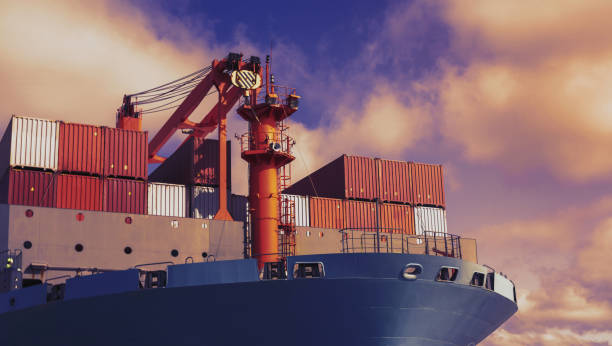
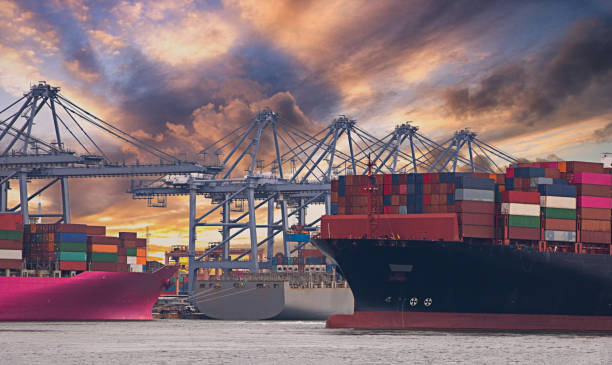
Freight costs have surged dramatically in recent years, largely driven by supply chain bottlenecks, port congestion, and volatile fuel prices. With hostilities in key maritime chokepoints intensifying, analysts warn that freight rates could "retest" the earlier peaks seen in 2022, creating a new wave of pressure on exporters, importers, and buyers across the globe.
Geopolitical Drivers of Rising Freight Rates
The resurgence of conflict in the Middle East, the ongoing tensions in the South China Sea, and the heightened risk of piracy in the Gulf of Aden have all added a new layer of uncertainty to maritime trade. Shipping lines are forced to re‑route vessels, incur higher insurance premiums, and sometimes cancel lanes entirely, all of which feed back into the cost structure.
Route Diversions: Vessels detouring around sandalwood and piracy hotspots add hours of sailing time.
Insurance Premiums: Underwriters raise rates to compensate for elevated risk levels.
Port Congestion: Limited berth availability leads to demurrage charges that spill over into freight fees.
Impact on Chemical Shipping
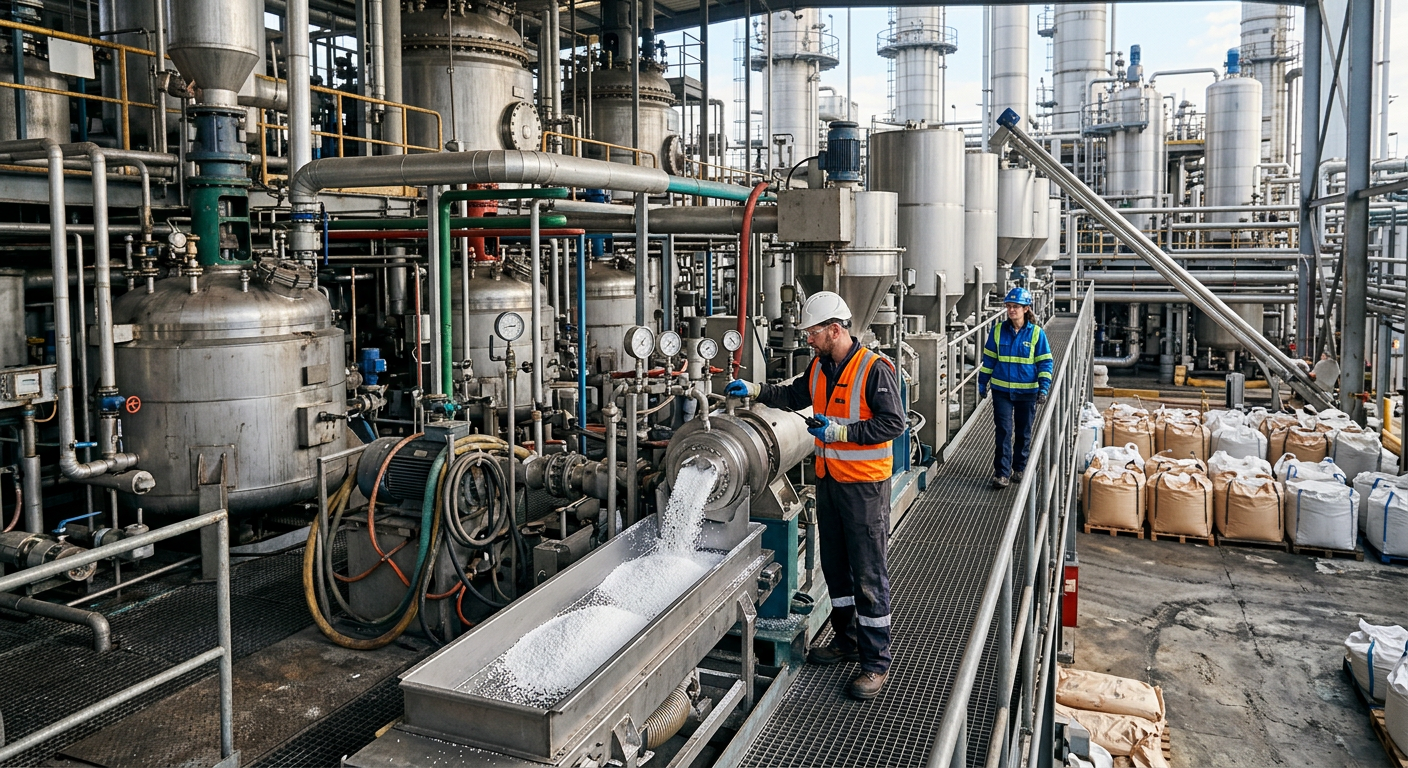
Chemical.profile shipments are particularly sensitive to freight cost fluctuations because of their high value and strict compliance requirements. Even a modest uptick in ocean freight can erode margins and trigger renegotiations of container contracts.
Key factors include:
The need for temperature‑controlled or hazardous‑material‑approved containers.
Stringent regulatory oversight that drives up compliance costs.
Seasonal demand spikes that compress supply chains.
Fertilizer Logistics: A Case of Supply and Demand Imbalance
Fertilizer exporters from Brazil, Russia, and the United States rely heavily on bulk carriers that are already operating at near‑full capacity. When freight rates climb, the cost per metric ton of nitrogen, phosphorus, or potassium can leap by 10-15%, compounding already tight profit margins.
At the same time, the demand for fertilizer is growing in emerging economies. This supply‑demand imbalance forces importers to either absorb higher costs or seek alternative sourcing strategies.
Supply Chain Disruption and Procurement Costs
Freight cost volatility directly translates into procurement cost variability. Companies that depend on just‑in‑time inventory Erotic are forced to hold safety stock, which ties up capital. Alternatively, they may lock in forward rates, which are themselves subject to market speculation.
Procurement experts recommend:
Implementing dynamic hedging strategies that allow for rapid adjustment to market changes.
Building multi‑modal transport portfolios to reduce dependence on ocean freight.
Negotiating tiered pricing contracts with carriers that reward volume and predictability.
Mitigation Strategies for Businesses
1. Diversify Shipping Lanes: Explore alternative routes that bypass high‑risk zones, even if they are marginally longer. This can reduce exposure to sudden rate hikes.
2. Leverage Forward Contracts: Lock in freight rates for the next 12–18 months to stabilize budgeting, but remain flexible to renegotiate if market conditions improve.
3. Invest in Digital Visibility: Real‑time tracking and predictive analytics help anticipate delays and allow companies to adjust inventory levels proactively.

Carbon Black (N110) - India
Found this useful?