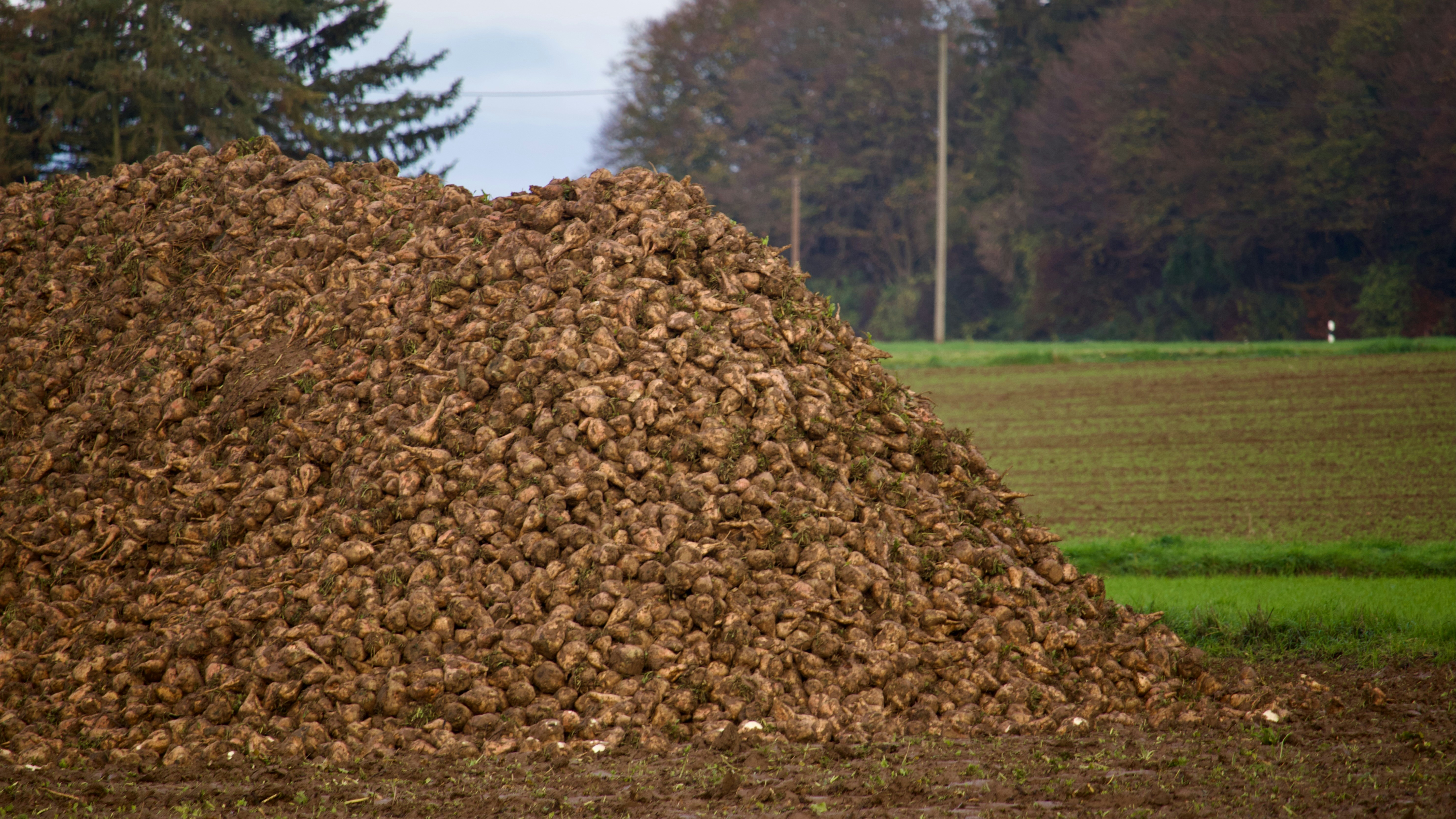
From Agricultural Waste to Valuable Chemicals: The Rise of Biomass-Based Feedstocks
Valuable Chemicals That Can Be Produced from Agricultural Waste
Biomass conversion technologies are expanding the range of chemicals that can be manufactured from renewable resources. Several product categories are particularly relevant to industrial applications.
1. Organic Acids
Organic acids are important ingredients in food processing, pharmaceuticals, cosmetics, textiles, and chemical manufacturing. Suitable biomass-derived sugars can be converted through fermentation into products such as lactic acid, succinic acid, and citric acid.
Lactic acid is used in the production of polylactic acid (PLA), a polymer used in selected packaging and consumer applications. Succinic acid can serve as a building block for solvents, resins, and other chemical intermediates.
Agricultural residues can provide an alternative source of fermentable sugars, although pretreatment, fermentation performance, and purification requirements influence the commercial viability of each process.
2. Bio-Based Solvents
Solvents are widely used in paints, coatings, adhesives, cleaning products, and industrial processing. Biomass-derived feedstocks can support the production of selected alcohols, esters, and other solvent molecules.
For example, bio-based ethanol can be produced by fermenting sugars obtained from suitable biomass. Further chemical processing can generate additional compounds for industrial applications.
The environmental benefits of bio-based solvents depend on the production route, energy consumption, solvent properties, and recovery practices. Manufacturers must evaluate both technical suitability and lifecycle performance before replacing conventional products.
3. Bioplastics and Polymer Building Blocks
Agricultural waste can provide sugars and other intermediates for producing polymer building blocks. These intermediates may be used to manufacture bio-based plastics, resins, and specialty materials.
Cellulose recovered from biomass can also serve as a starting material for cellulose-derived products, while lignin offers potential as a renewable feedstock for selected aromatic chemicals and polymer applications.
Not every agricultural residue can be converted into every polymer economically. Commercial success depends on the availability of suitable feedstocks, efficient conversion technologies, material performance, and established markets for the final product.
4. Surfactants and Specialty Chemicals
Surfactants are used in detergents, personal care products, industrial cleaners, and numerous manufacturing processes. Renewable oils, fats, and selected biomass-derived intermediates can be used to produce certain bio-based surfactants and specialty ingredients.
Agricultural processing residues may also support the development of new specialty chemicals as conversion technologies improve. These applications are particularly interesting because buyers often evaluate products based on a combination of functionality, purity, sustainability credentials, and cost.
5. Furans and Other Platform Chemicals
Biomass contains carbohydrates that can be converted into platform chemicals used as starting materials for further chemical synthesis. One example is furfural, which can be produced from pentose-rich biomass through appropriate processing.
Furfural has applications in the manufacture of resins, solvents, and other chemical intermediates. Other biomass-derived platform molecules, including hydroxymethylfurfural, are also being investigated for applications in renewable chemicals and materials.
These compounds can provide routes from agricultural residues to higher-value chemical products, although their economics and commercial uses vary by process and market.
Why Chemical Manufacturers Are Turning to Agricultural Waste
The growing interest in biomass-based feedstocks reflects several developments across the chemical industry.
Reduced dependence on fossil resources: Agricultural residues offer alternative sources of carbon for selected chemical products, helping manufacturers diversify their raw material portfolios.
Improved resource utilization: Converting suitable waste streams into useful chemicals can create value from materials that would otherwise be discarded or underutilized.
New commercial opportunities: Biomass conversion creates opportunities for chemical manufacturers, agricultural processors, biotechnology firms, and distributors to develop new products and supply relationships.
Support for circular production: Using agricultural by-products can help connect different industries through resource recovery, material reuse, and more efficient use of available resources.
Potential environmental benefits: When responsibly sourced and efficiently processed, biomass-based chemicals may offer lower lifecycle greenhouse gas emissions than selected fossil-based alternatives.
These benefits are not automatic. Removing too much agricultural residue from fields can reduce soil organic matter and nutrient availability, while intensive processing or unsustainable sourcing can offset potential environmental gains.
Key Challenges in Scaling Biomass-Based Feedstocks
Despite their potential, biomass-based chemical production systems face important technical and commercial challenges.
Feedstock Availability and Seasonal Supply
Agricultural residues are often generated during specific harvesting periods and are distributed across large geographical areas. Collecting, storing, and transporting these materials requires suitable infrastructure and careful supply planning.
Manufacturers must also account for existing uses of residues, including animal feed, soil protection, and energy production.
High Processing and Conversion Costs
Pretreatment, enzymatic hydrolysis, fermentation, and purification can add significant costs. In some cases, established petrochemical production routes remain more economical because of their scale, infrastructure, and optimized processes.
Research into more efficient enzymes, catalysts, and integrated biorefineries could help improve cost competitiveness over time.
Feedstock Variability
Unlike standardized industrial raw materials, agricultural residues can vary in moisture, composition, ash content, and contamination. These differences may affect conversion yields and final product quality.
Reliable biomass-based manufacturing therefore requires strong quality-control systems and consistent feedstock specifications.
Infrastructure and Commercial Scale
Many promising conversion technologies require substantial investment before reaching large-scale production. Manufacturers must demonstrate that a process can operate consistently, achieve acceptable yields, and produce chemicals that meet market requirements.
Partnerships between agricultural producers, technology developers, chemical companies, and investors can help address these challenges.
The Role of Biomass-Based Feedstocks in the Circular Economy
A circular economy aims to keep resources in productive use for as long as possible while reducing waste and improving material efficiency.
Biomass-based chemical manufacturing can contribute to this approach by recovering useful components from agricultural residues and converting them into new products. For example, sugarcane bagasse can be used for energy generation or explored for biochemical conversion, while suitable crop residues can provide sugars for fermentation-based chemical production.
Integrated biorefineries can potentially produce several outputs from a single biomass stream, including chemicals, materials, energy, and recoverable by-products. This approach can improve overall resource utilization when the process is technically efficient and the resulting products have viable markets.
However, circularity requires more than converting waste into products. Manufacturers must also consider energy inputs, water use, emissions, soil health, and the environmental effects of sourcing and transporting biomass.
What This Means for Chemical Suppliers and Buyers
The growth of biomass-based feedstocks is creating new considerations for chemical sourcing and procurement.
Manufacturers and buyers need to evaluate renewable alternatives against conventional products using clear technical and commercial criteria. These include product purity, chemical specifications, performance, pricing, availability, minimum order quantities, and delivery lead times.
Documentation is equally important. Buyers may require information about feedstock origin, renewable carbon content, relevant sustainability certifications, and lifecycle assessment results. Suppliers should ensure that environmental claims are supported by appropriate evidence.
For chemical distributors and B2B marketplaces, biomass-based chemicals offer an opportunity to connect producers with industrial buyers seeking renewable raw materials. Accurate product listings, transparent supplier information, technical documentation, and reliable logistics can help businesses assess alternatives and make informed purchasing decisions.
As the market develops, suppliers that combine consistent quality with traceable sourcing and competitive pricing may be better positioned to serve customers exploring more sustainable chemical inputs.

The Future of Agricultural Waste in Chemical Manufacturing
Agricultural waste is becoming an increasingly important resource in the search for alternative chemical feedstocks. Advances in biotechnology, biomass pretreatment, catalysis, and integrated biorefinery design are creating new pathways for transforming crop residues and other biological materials into useful industrial chemicals.
The strongest opportunities are likely to emerge where feedstocks are readily available, conversion technologies are efficient, and the resulting products meet established market requirements. Regional biomass supply chains may also support new industrial partnerships between agricultural processors and chemical manufacturers.
In the years ahead, progress will depend on improving conversion efficiency, reducing production costs, maintaining responsible sourcing practices, and demonstrating measurable environmental benefits. Agricultural residues will not replace all fossil-based raw materials, but they can contribute to a more diversified and resource-efficient chemical industry.
The transformation of agricultural waste into valuable chemicals represents an opportunity to connect agriculture, biotechnology, and manufacturing in new ways. With the right technology, infrastructure, and supply chain partnerships, materials once considered waste can become useful inputs for the next generation of industrial chemicals.
Sources and Further Reading

Ammonium Nitrate
Found this useful?