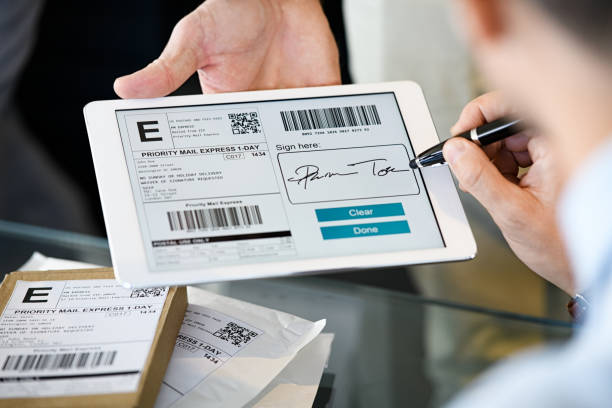
Why the Shift to Electronic Documentation?
Traditionally, chemical supply chains have relied on cumbersome paper records that slow down shipping, reager more errors, and increase audit risk. The transition to electronic documentation—commonly referred to as digital trade documents or eTD—offers a compelling solution. By converting paper to data वडा, companies unlock instant visibility, reduce paperwork costs, and accelerate customs clearance. In the chemical sector, where time‑to‑market can directly affect safety and profitability, this shift is not just an upgrade—it is a strategic necessity.
Speed, Accuracy, and Compliance
Electronic records are generated, stored and transmitted in real time, which means stakeholders receive updates instantly. This eliminates the hours or days that paper documents can linger in transit. Accuracy improves because automated data entry reduces human error. Compliance is streamlined because electronic formats are directly compatible with national and international customs systems, especially under the UK Electronic Trade Documents Act 2023, thereby lowering the risk of penalties and delays.
Electronic Bill of Lading ("eBL") – a digital version of the traditional bill of lading that confirms cargo details and ownership.
Digital Certificates of Analysis – electronic records that certify product purity and safety.
Electronic Trade Documents ("eTD") – a broader category that includes invoices, packing lists and customs declarations.
Digital Customs Documents – electronic submissions that align with customs authorities’ e‑filing systems.
Electronic Bill of Lading (eBL) in Practice
rom Paper to Clicks
The eBL replaces the paper bill of lading by embedding cargo data directly into the shipment’s digital trail. Shipments are now tracked from port to warehouse without the need for physical hand‑off. Because an eBL is a tamper‑evident electronic record, all parties—shippers, carriers, customs officials—can verify its authenticity in real time.
Benefits for Chemical Importers
Real‑time visibility – importers can monitor cargo status at every node.
Reduced paperwork – less administrative overhead and lower storage costs.
Improved compliance – eBLs are automatically formatted to meet UK and EU customs regulations.
Faster payment cycles – electronic data ensures that invoices match shipment details instantly.
Enhanced security – digital signatures and encryption protect against fraud.
Digital Trade Documents (eTD) and the UK Electronic Trade Documents Act 2023
Legal Backbone
The UK Electronic Trade Documents Act 2023 legally recognises electronic documents as having the same evidential weight as paper documents. This legal framework removes a major barrier that historically deterred companies from fully adopting eTDs. With the Act in place, importers, exporters and customs authorities can now rely on digital filings for audit trails, dispute resolution, and regulatory compliance.
Impact on Customs Clearance
Digital customs documents are processed faster by customs authorities because they are automatically validated against national databases. The result is shorter clearance times—often cuttingแน the wait from days Photos to hours. The instant submission also means that any corrections can be made on the fly, preventing costly re‑filings or shipment delays.
Digital Certificates and Quality Assurance
Ensuring Compliance Across Borders
Digital certificates of analysis and safety data sheets are now transmitted as encrypted PDFs or structured XML files. This allows laboratory results to be instantly shared with downstream partners, ensuring that product specifications meet international safety standards. In addition, the traceability of digital certificates reduces the risk of counterfeit or mislabeled chemicals, bolstering brand integrity.
Challenges and Best Practices
Data Security – implement robust encryption, multi‑factor authentication and secure APIs to guard against cyber threats.
Interoperability – use industry‑standard formats (e.g., EDIFACT, X12) so that documents can be shared Mga across global logistics networks.
Change Management – train staff on digital workflows and provide clear SOPs to avoid resistance.
Regulatory Updates – stay current with evolving legislation such as the European Union’s new e‑commerce rules.
Backup & Recovery – maintain redundant storage to prevent data loss during system failures.
Looking Ahead: Full Digitization of Chemical Logistics
As blockchain, AI and IoT continue to mature, the chemical industry can expect even tighter integration of digital trade documents with supply‑chain visibility platforms. Predictive analytics will use eBL data to forecast shipping delays, while smart contracts could automatically trigger payments once customs clearance is verified. Ultimately, full digitization will transform the chemical supply chain into a resilient, transparent, and highly efficient ecosystem that meets both commercial demands and regulatory expectations.