Fuel Additive Landscape
The retail fuel sector has traditionally focused on distribution and compliance. Recent shifts toward high‑performance additives are redefining what consumers expect from gasoline and diesel. Specialty chemicals now occupy a central role, delivering benefits that extend beyond simple fuel blending.
Diesel Additives
Diesel engines demand higher cetane numbers for efficient combustion. Cetane improvers increase ignition quality, reduce noise, and lower emissions. Diesel terminals are now offering multi‑component formulations that also include conductivity improvers to mitigate static discharge during handling.
Gasoline Additives
Gasoline markets are incorporating anti‑foam additives to prevent vapor‑liquid separation, ensuring stable delivery. Anti‑corrosion additives protect storage tanks and pumping equipment, reducing maintenance costs and extending asset life.
Specialty Chemical Growth Drivers
Enhanced Fuel Performance – Consumers demand cleaner engines and higher mileage. Additives that improve combustion efficiency directly support this demand.
Corrosion Protection – Growing awareness of infrastructure longevity drives the adoption of anti‑corrosion formulations.
Operational Efficiency – Additives that improve fuel density and reduce evaporation help retailers maximize revenue per gallon.
Retail Channel Impact
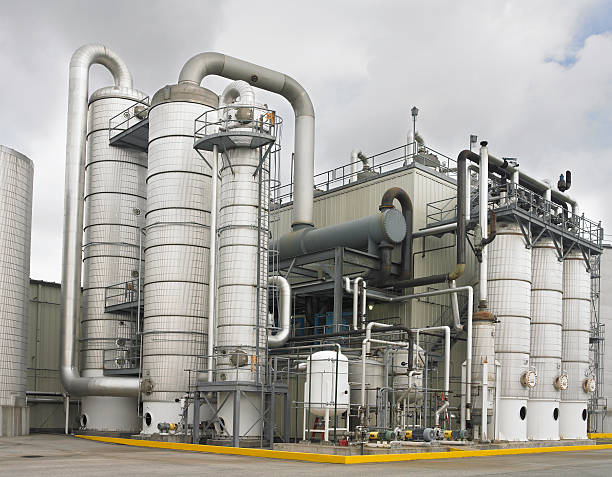
Fuel terminals are transforming into hubs of chemical innovation. By blending specialty additives on‑site, retailers can offer differentiated products such as “premium diesel” or “high‑octane gasoline” that command premium pricing. This vertical integration reduces procurement costs andUrls the supply chain, giving retailers a competitive edge.
Moreover, the ability to offer customized additive blends allows retailers to respond swiftly to local market conditions—be it higher humidity in coastal areas or colder climates requiring stronger cetane boosters. The result is a more resilient and flexible distribution network.
Future Outlook
Technology Integration – IoT sensors and real‑time analytics will enable precise additive dosing, minimizing waste and maximizing performance.
Green Chemistry – Renewable and biodegradable additives are emerging, aligning with global sustainability goals and consumer preferences.
Market Expansion – Emerging economies are adopting fuel additive solutions as their automotive fleets grow, opening new revenue streams for specialty chemical companies.
Regulatory Evolution – Anticipated tightening of emissions and fuel standards will further drive demand for advanced additive solutions.