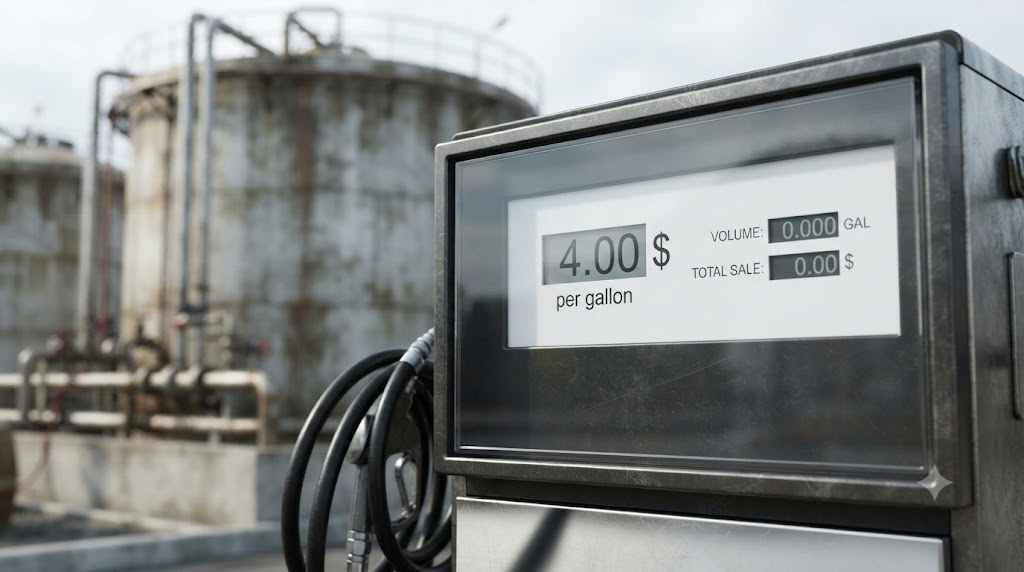
Gasoline Above $4 Per Gallon: Impact on Downstream Commodity Chemical Pricing
US gasoline prices have crossed the $4 per gallon threshold again, marking a significant shift that ripples through downstream commodity chemical markets. The surge comes as tensions in the Strait of Hormuz escalate during peak summer driving season, tightening fuel supplies and pushing crude oil benchmarks higher. For chemical buyers and procurement managers, this development signals more than just higher transportation costs. It represents a fundamental shift in feedstock economics that will affect pricing across a wide range of petrochemical derivatives.
The connection between pump prices and chemical costs runs deep. Most commodity chemicals trace their origins back to crude oil and natural gas. When gasoline prices climb, it reflects broader energy market pressures that inevitably flow through to chemical production costs.
How Fuel Prices Drive Chemical Feedstock Costs
Crude oil serves as the primary feedstock for numerous petrochemical products. When refiners process crude, they produce both fuels like gasoline and diesel alongside naphtha and other intermediate products that feed chemical manufacturing. Higher gasoline prices typically indicate tighter crude markets or increased refining margins, both of which elevate costs for chemical feedstocks.
Naphtha, a key building block for ethylene and propylene production, moves in close correlation with gasoline prices. When refiners prioritize gasoline production to meet summer demand, naphtha supplies can tighten. This dynamic pushes up costs for downstream chemicals including ethylene, propylene, benzene and their derivatives.
The Strait of Hormuz crisis adds another layer of complexity. Roughly 20 percent of global oil consumption passes through this narrow waterway. Any disruption threatens supply chains and triggers risk premiums that show up immediately in futures markets. Chemical manufacturers operating on thin margins face difficult choices about production rates and inventory management.
Which Commodity Chemicals Feel the Pressure Most
Not all chemicals respond equally to gasoline price increases. The impact depends on how directly a product ties to petroleum feedstocks and whether producers can switch to alternative raw materials.
Most affected chemicals include:
Ethylene and polyethylene - These plastics fundamentals derive directly from naphtha or ethane cracking. Higher crude prices squeeze margins unless producers can pass costs to buyers.
Styrene and polystyrene - Benzene and ethylene, both petroleum-derived, serve as primary inputs. Price increases compound through the value chain.
Polypropylene - Propylene costs track closely with crude oil movements, making PP pricing highly sensitive to fuel market volatility.
Polyvinyl chloride (PVC) - While chlorine comes from salt, the ethylene component remains vulnerable to oil price swings.
Acrylonitrile - Used in fibers and plastics, this chemical depends on propylene and ammonia, both energy-intensive to produce.
Chemicals with natural gas as their primary feedstock, such as methanol and ammonia, may experience less direct pressure from gasoline prices. However, energy costs for manufacturing and transportation still rise, creating secondary inflationary effects.
Regional Price Variations and Supply Dynamics
The impact of $4 gasoline varies significantly by region. North American producers with access to cheap shale gas maintain some insulation from crude oil volatility. European and Asian manufacturers relying heavily on naphtha cracking face steeper cost increases.
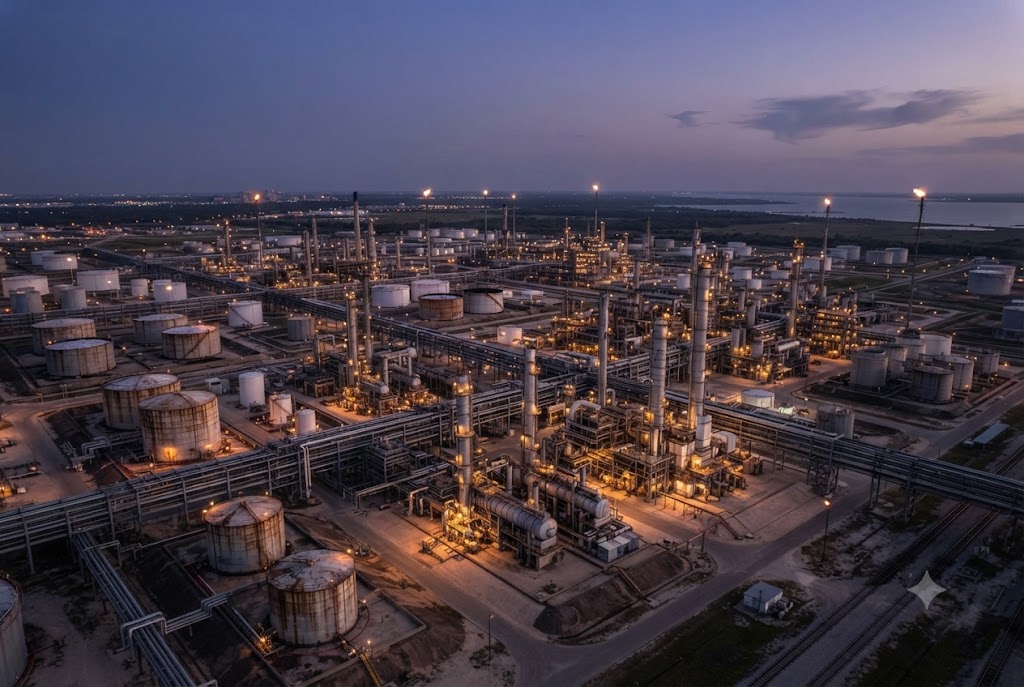
Asian buyers importing commodity chemicals from the Middle East or Europe now confront a double squeeze. Higher energy costs at production sites combine with increased freight charges as bunker fuel prices climb alongside crude. This dynamic makes regional sourcing more attractive despite potentially higher base prices.
US exporters benefit from competitive feedstock costs but must navigate elevated logistics expenses. The net effect varies by product and destination market.
Transportation Costs Amplify the Challenge
Beyond feedstock concerns, rising gasoline prices directly increase distribution expenses. Trucking rates climb as diesel prices follow crude oil higher. Rail and barge transport also become more expensive. These costs ultimately embed themselves in delivered chemical prices.
For buyers managing just-in-time inventory systems, the transportation piece deserves close attention. A chemical might show stable ex-works pricing while delivered costs creep up due to freight surcharges. Procurement teams should request detailed breakdowns separating product costs from logistics fees.
Bulk shipments by rail or vessel may offer some protection compared to truckload deliveries. However, bunker fuel adjustments and demurrage charges can erode those advantages quickly in a rising rate environment.
Strategic Responses for Procurement Teams
Chemical buyers cannot control macro energy markets, but they can adapt their sourcing strategies to mitigate exposure. Several approaches deserve consideration.
Diversify supplier geography. Relying on a single region concentrates risk. Suppliers in areas with favorable feedstock economics may maintain more stable pricing even as global crude markets fluctuate.
Negotiate price adjustment mechanisms. Rather than accepting fixed quarterly pricing, work with suppliers to establish formulas that share risk transparently. This prevents sudden shocks when markets move sharply.
Extend contract tenor during volatility. When prices spike, some buyers panic and lock in short-term deals. Counterintuitively, longer-term agreements at current rates may prove advantageous if the upward trend continues.
Evaluate alternative specifications. In some applications, chemicals with different feedstock bases can substitute effectively. For example, bio-based solvents or recycled content polymers may offer price stability advantages.
Build strategic inventory buffers. While carrying costs rise, having safety stock protects against sudden price jumps or supply disruptions. Calculate the trade-off carefully based on your specific situation.
Market Outlook Through Year End
The current $4 gasoline environment reflects temporary factors including seasonal demand and geopolitical tensions. However, underlying supply constraints in crude oil markets suggest elevated prices may persist longer than some analysts expect.
OPEC+ production discipline limits upside supply response. Strategic petroleum reserve releases have largely concluded. Refining capacity remains tight in several regions after years of underinvestment. These structural factors support a higher price floor for crude and refined products.
For commodity chemical buyers, this means planning for sustained cost pressure rather than waiting for a quick reversion to lower levels. Budgets and forecasts should reflect this reality.
What Buyers Should Do Now
The return of $4 gasoline marks a turning point for downstream commodity chemical markets. Procurement professionals must move beyond reactive price negotiations and develop comprehensive strategies addressing feedstock volatility, transportation costs and supply chain resilience.
Monitor crude oil and naphtha benchmarks closely as leading indicators. Engage suppliers in transparent discussions about cost pass-through mechanisms. Where possible, diversify sources and consider regional alternatives that reduce exposure to volatile freight markets.
Most importantly, recognize that energy market dynamics will continue shaping chemical pricing for the foreseeable future. Building flexibility into procurement strategies now positions your organization to navigate whatever comes next.
Ready to source commodity chemicals from verified global suppliers? Explore competitive offers on our platform today.

Styrene Monomer
Found this useful?