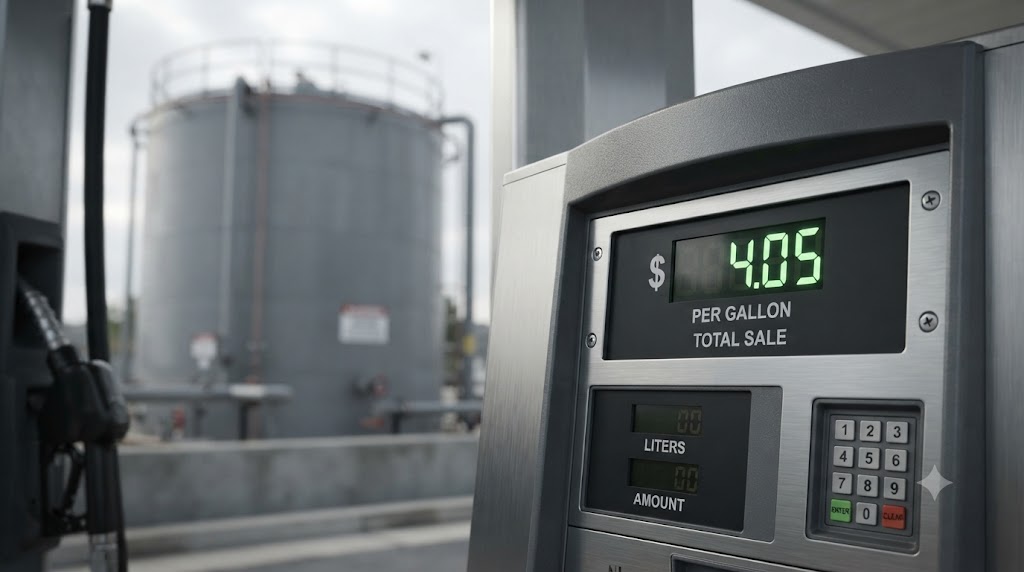
The Energy Information Administration released its July 2026 outlook with a clear prediction. It projected that US gasoline prices would average $3.80 per gallon in the third quarter of 2026. That forecast has already been overtaken by market reality. Pump prices have surged back past the $4 threshold following renewed conflict in the Strait of Hormuz. This sudden gasoline forecast whiplash sends immediate shockwaves through downstream commodity chemical markets. Procurement managers and chemical traders must discard outdated budget models. The gap between official projections and actual pump prices reveals a volatile energy landscape. Buyers must act quickly to secure feedstock supplies before suppliers adjust to this new pricing floor.
Understanding the Forecast Discrepancy
The EIA’s projection relied heavily on assumptions of regional stability. Analysts assumed that diplomatic efforts would maintain steady crude oil flows through key maritime chokepoints. The renewed hostilities in the Hormuz corridor shattered those assumptions overnight.
Crude oil benchmarks reacted instantly to the geopolitical escalation. Brent crude spiked as traders priced in potential supply disruptions. This upstream volatility translates directly to refined product costs. Refineries face higher input costs and increased operational risks.
The $0.20 per gallon deviation may seem small to casual observers. For chemical manufacturers, it represents a significant shift in feedstock economics. Naphtha and other light ends move in tight correlation with gasoline margins. When refiners prioritize high-margin gasoline production, chemical feedstock yields contract. This dynamic creates an immediate supply squeeze for petrochemical producers.
How $4 Gasoline Impacts Petrochemical Feedstocks
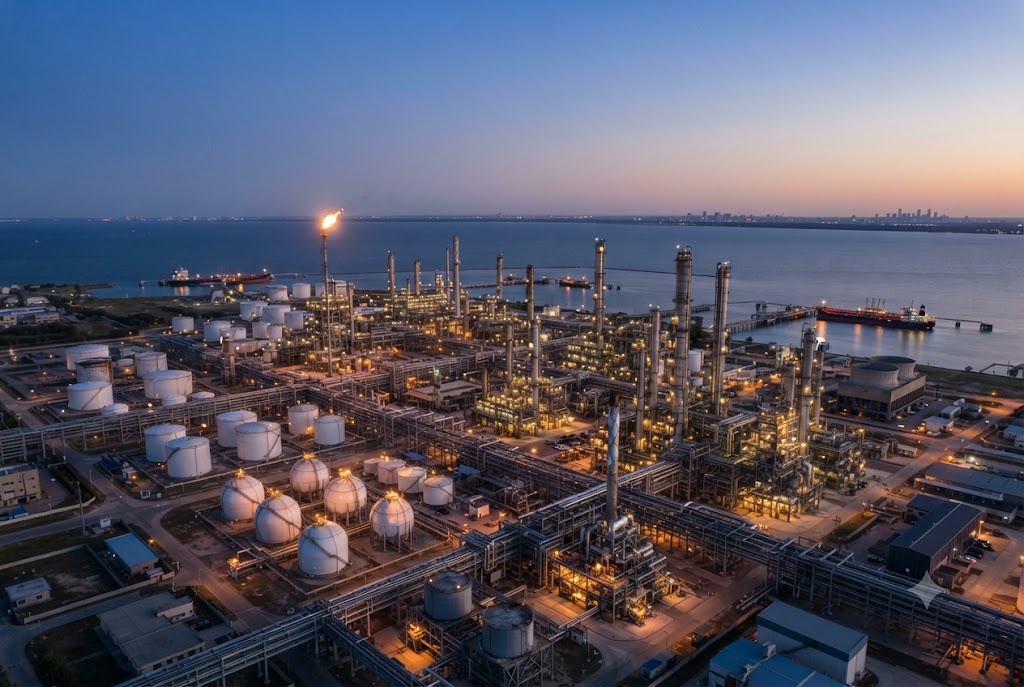
Refineries operate as integrated systems balancing fuel and chemical output. A surge in gasoline prices incentivizes operators to maximize fuel yields. They adjust cracking severity and unit configurations to produce more motor fuels. This operational shift automatically reduces the volume of naphtha available for chemical synthesis.
Naphtha serves as the primary building block for ethylene and propylene in many regions. A reduction in naphtha availability forces steam crackers to compete for limited supplies. Spot prices for this critical feedstock rise rapidly as demand outstrips supply.
Chemical producers face a dual challenge. They must pay more for scarce feedstocks while managing higher energy costs for their own operations. These increased input costs inevitably flow down the value chain. Buyers of polyolefins and other derivatives will see immediate price adjustments in upcoming contract negotiations.
Regional Market Divergence and Supply Risks
The impact of $4 gasoline varies significantly by geography. North American producers with access to shale gas-derived ethane maintain some insulation. Their feedstock costs do not track directly with crude oil or gasoline prices. This regional advantage allows them to offer more stable pricing to global buyers.
European and Asian manufacturers rely heavily on naphtha cracking. These regions face the full brunt of the gasoline-driven feedstock squeeze. Producers in these markets must pass cost increases to customers or absorb margin compression. This divergence creates unique arbitrage opportunities for savvy procurement teams.
Buyers should evaluate shifting some volume to ethane-based suppliers where feasible. This geographic diversification reduces exposure to oil-linked volatility. However, logistical constraints and freight costs may limit the extent of this substitution.
Logistics and Freight Cost Amplification
Rising gasoline prices directly increase distribution expenses across the supply chain. Trucking rates climb as diesel prices follow crude oil higher. Rail and barge transport also become more expensive for bulk chemical movements. These logistics costs ultimately embed themselves in delivered chemical prices.
For buyers managing just-in-time inventory systems, the transportation piece deserves close attention. A chemical might show stable ex-works pricing while delivered costs creep up due to freight surcharges. Procurement teams should request detailed breakdowns separating product costs from logistics fees.
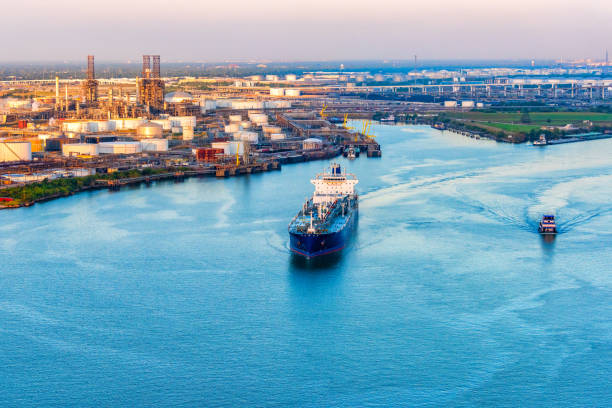
Bulk shipments by rail or vessel may offer some protection compared to truckload deliveries. However, bunker fuel adjustments and demurrage charges can erode those advantages quickly in a rising rate environment. Furthermore, intermodal transportation networks face capacity constraints during periods of high fuel demand.
Strategic Sourcing Adjustments for Procurement Teams
Chemical buyers cannot control macroeconomic fuel trends. They must adapt their sourcing strategies to mitigate exposure to this volatility. Several proactive approaches deserve immediate consideration.
Diversify supplier geography. Relying on a single region concentrates risk. Suppliers in areas with favorable feedstock economics maintain more stable pricing during crude market fluctuations.
Negotiate price adjustment mechanisms. Work with suppliers to establish formulas that share risk transparently. This prevents sudden financial shocks when markets move sharply.
Extend contract tenor during volatility. Longer-term agreements at current rates may prove advantageous if the upward price trend continues.
Evaluate alternative specifications. Bio-based solvents or recycled content polymers may offer price stability advantages in specific applications.
Build strategic inventory buffers. Safety stock protects against sudden price jumps or supply disruptions. Calculate the trade-off carefully based on your specific operational needs.
Downstream Demand and Margin Pressure
Sustained high fuel costs eventually trigger demand destruction in end markets. Consumers reduce discretionary spending as transportation costs consume a larger share of household budgets. This economic strain impacts manufacturing sectors that consume commodity chemicals.
Automotive production often slows during periods of high fuel costs. Consumers delay purchasing new vehicles or opt for smaller models. This shift reduces the overall volume of plastics required for automotive interiors and components. Packaging manufacturers also face margin pressure as retail volumes soften.
Chemical buyers serving these industrial segments must proactively adjust their procurement volumes. Avoiding excess inventory accumulation is critical during periods of uncertain demand. Collaborating closely with internal sales teams helps align purchasing with realistic market expectations.
What Buyers Should Do Now
The return of $4 gasoline marks a critical turning point for downstream commodity chemical markets. Procurement professionals must move beyond reactive price negotiations. Developing comprehensive strategies addressing feedstock volatility and supply chain resilience is now mandatory.
Monitor crude oil and naphtha benchmarks closely as leading indicators. Engage suppliers in transparent discussions about cost pass-through mechanisms. Diversify sources where possible to reduce exposure to volatile regional markets. Energy market dynamics will continue shaping chemical pricing for the foreseeable future. Building flexibility into procurement strategies now positions your organization to navigate whatever comes next.
Ready to source Monoethylene Glycol from verified global suppliers? Explore competitive offers on our platform today.