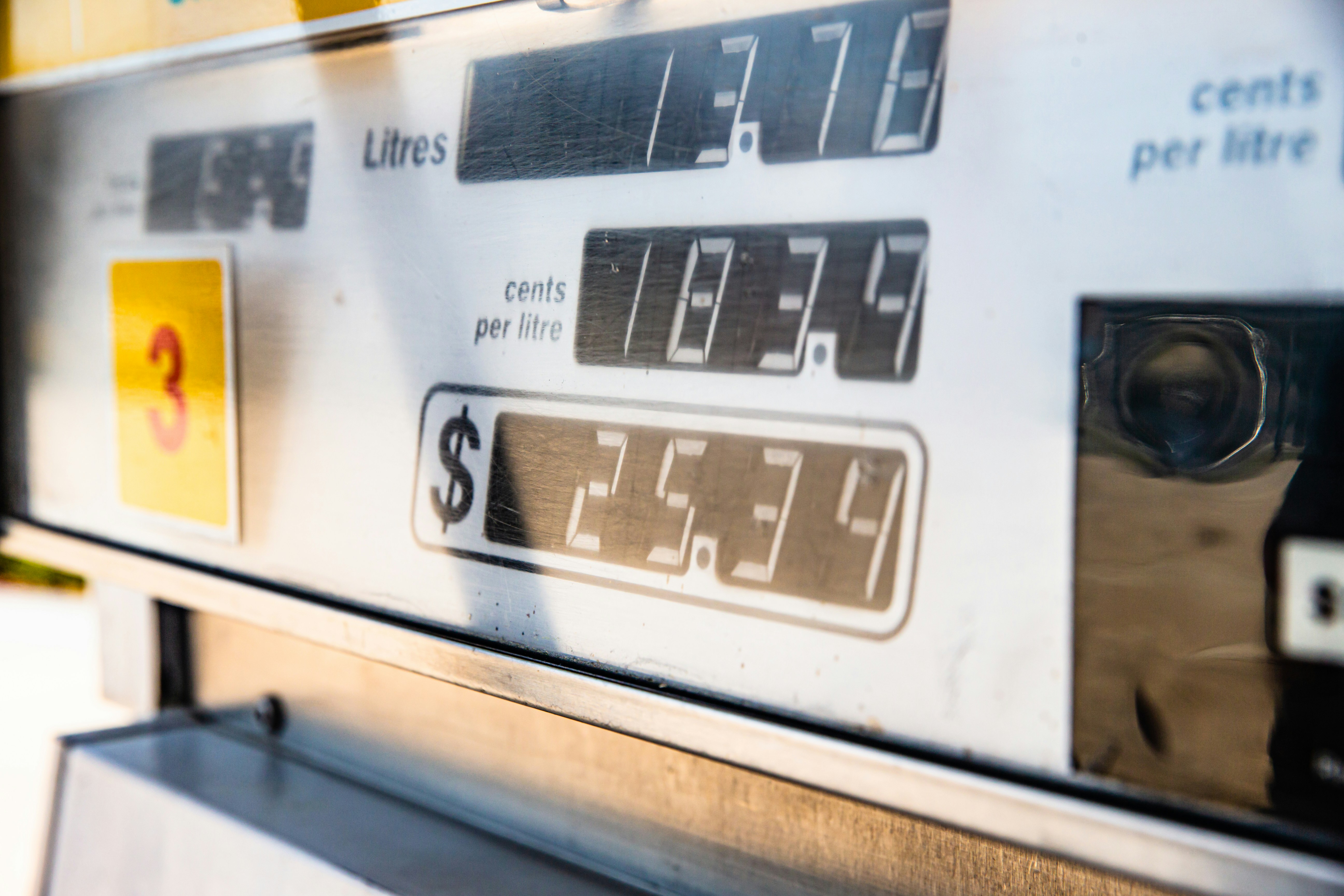
Gasoline's Return to $4 a Gallon Adds Cost Pressure to Pharma Ingredient Distribution

Gasoline's Return to $4 a Gallon Adds Cost Pressure to Pharma Ingredient Distribution
Introduction
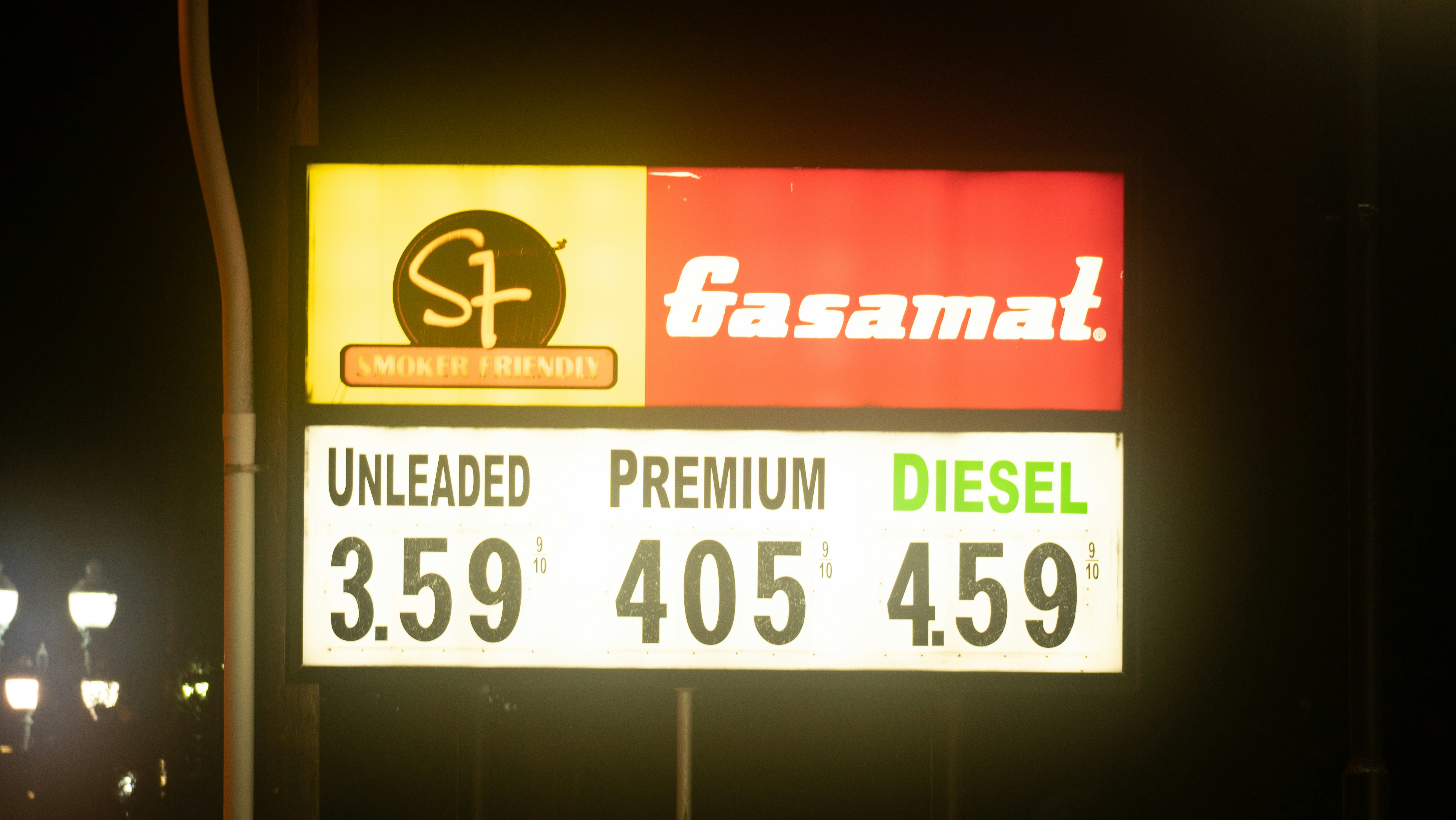
The return of gasoline prices to $4 per gallon is creating renewed cost pressures across the pharmaceutical distribution network. While pharmaceutical ingredient manufacturing is driven by complex global supply chains, domestic transportation remains a critical link between production facilities, warehouses, distribution centers, and healthcare providers. Rising fuel prices increase trucking costs, last-mile delivery expenses, and overall logistics spending, adding another variable to pharmaceutical procurement and supply chain planning.
For manufacturers of Active Pharmaceutical Ingredients (APIs), excipients, diagnostic reagents, and bioprocessing materials, higher transportation costs can gradually increase landed costs and place additional pressure on operating margins.
Why Fuel Prices Matter to Pharmaceutical Logistics
Transportation plays a vital role in moving pharmaceutical ingredients from manufacturing sites to formulation plants and finished products to hospitals, pharmacies, and distributors. Fuel costs directly influence nearly every stage of this process.
Higher gasoline prices can lead to:
Increased trucking and courier expenses.
Higher distribution and warehousing costs.
Rising last-mile delivery charges.
Greater logistics operating costs.
Increased freight surcharges across domestic supply chains.
Although fuel is only one component of logistics spending, sustained price increases can significantly affect overall transportation budgets.
Pharmaceutical Distribution Faces Higher Operating Costs
Pharmaceutical products often require specialized transportation, making logistics more expensive than standard freight operations.
Key cost-sensitive areas include:
Temperature-controlled transportation.
Time-sensitive medicine deliveries.
Distribution of Active Pharmaceutical Ingredients (APIs).
Movement of laboratory reagents.
Bioprocessing material shipments.
Hospital and healthcare supply distribution.
Companies managing cold-chain logistics may experience a greater financial impact because refrigerated transportation systems consume additional fuel and energy.
Impact on Pharmaceutical Ingredient Suppliers
Suppliers throughout the pharmaceutical value chain may experience indirect effects from rising transportation expenses.
Potential impacts include:
Increased domestic freight costs.
Higher inventory carrying expenses.
Greater pressure on supplier pricing.
Longer transportation lead times during capacity constraints.
Reduced flexibility for expedited shipments.
While international ocean and air freight remain important, domestic distribution costs have become an increasingly significant component of total landed cost.
Procurement Strategies to Offset Rising Distribution Costs
Procurement and supply chain leaders can reduce the impact of fuel price volatility through proactive planning.
Recommended strategies include:
Optimize Transportation Networks
Review delivery routes and warehouse locations to reduce unnecessary transportation distances.
Consolidate Shipments
Combine multiple orders where feasible to improve vehicle utilization and reduce freight costs.
Diversify Distribution Partners
Maintain relationships with multiple logistics providers to improve flexibility and pricing options.
Monitor Total Landed Costs
Evaluate transportation, warehousing, insurance, and inventory expenses alongside supplier pricing when making procurement decisions.
Improve Demand Forecasting
Accurate forecasting helps minimize emergency shipments, which often carry significantly higher transportation costs.
What Procurement Leaders Should Monitor
As fuel prices fluctuate, organizations should closely track:
Gasoline and diesel price trends.
Domestic trucking rates.
Cold-chain logistics costs.
Warehouse operating expenses.
Freight carrier surcharge announcements.
Inventory turnover and storage costs.
Transportation capacity across major markets.
Monitoring these indicators enables procurement teams to anticipate cost changes before they affect supply chain performance.
Long-Term Outlook for Pharmaceutical Distribution
While fuel prices may fluctuate over time, transportation cost volatility is likely to remain a recurring challenge for pharmaceutical supply chains. Companies are increasingly investing in digital logistics platforms, transportation optimization software, and regional distribution networks to improve efficiency and reduce exposure to fuel-related cost increases.
Building resilient logistics strategies will remain essential as pharmaceutical manufacturers continue expanding global production while serving increasingly complex healthcare markets.
Conclusion
Gasoline's return to $4 per gallon adds another layer of cost pressure to pharmaceutical ingredient distribution, particularly for companies dependent on extensive domestic transportation networks. Rising fuel prices can increase trucking costs, cold-chain logistics expenses, and total landed costs, requiring procurement teams to reassess sourcing and distribution strategies.
Organizations that optimize transportation networks, strengthen logistics partnerships, improve demand forecasting, and continuously monitor total supply chain costs will be better positioned to maintain operational efficiency and protect margins despite ongoing fuel price volatility.

Beta Pinene
Found this useful?