Geopolitical Tensions Continue Impacting Export Volumes for Agrochemical Intermediate Producers
Geopolitical uncertainty continues to influence global chemical trade, creating fresh challenges for agrochemical intermediate producers that rely heavily on international markets. Indian specialty chemical manufacturers, many of which supply crop protection intermediates to customers across Asia, Europe, and the Americas, are facing ongoing pressure from shipping disruptions, changing trade routes, and regional conflicts that affect export volumes.
In addition to fluctuating freight costs and longer transit times, geopolitical events are making global supply chains more unpredictable. As a result, exporters are adapting procurement strategies, diversifying logistics networks, and strengthening customer relationships to minimize disruptions and maintain supply continuity.

Why Geopolitical Risks Matter
The agrochemical industry operates through highly interconnected global supply chains. Raw materials may be sourced from one region, processed in another, and shipped worldwide for formulation and distribution. When geopolitical tensions disrupt any part of this network, the effects can quickly spread across the industry.
Key factors affecting export volumes include:
Regional conflicts impacting major shipping routes
Rising freight and marine insurance costs
Port congestion and customs delays
Trade restrictions and changing regulatory policies
Currency fluctuations affecting export competitiveness
Longer delivery lead times and inventory adjustments
For export-oriented specialty chemical manufacturers, these challenges can reduce shipment volumes, delay customer deliveries, and increase overall operating costs.
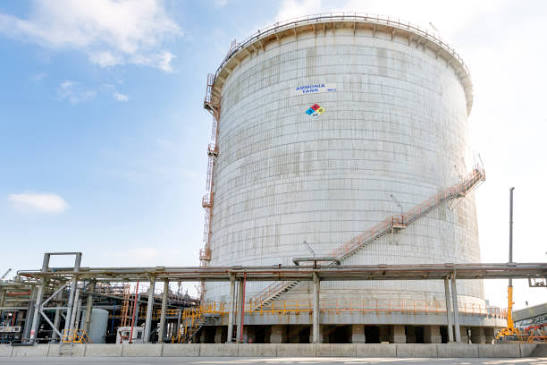
Agrochemical intermediate manufacturing depends on the uninterrupted supply of industrial chemicals such as Caustic Soda, Acetic Acid, Methanol, Hydrochloric Acid (HCl), Hydrogen Peroxide, and Formic Acid. Geopolitical disruptions that affect shipping routes, freight costs, or international trade can delay the movement of these critical raw materials, impacting production schedules and export commitments.

Formic Acid Feed Grade
Market Implications
Ongoing geopolitical disruptions are reshaping global agrochemical trade patterns and encouraging companies to rethink their supply chain strategies.
Current market impacts include:
Slower export growth for specialty chemical manufacturers
Increased transportation and logistics costs
Greater demand for regional sourcing alternatives
Higher inventory levels to protect against supply disruptions
Increased investment in supply chain resilience
Diversification of export markets and logistics partners
While short-term trade volumes may fluctuate, long-term demand for agrochemical intermediates remains supported by continued global agricultural production and food security requirements.
Procurement Considerations
Procurement teams should take a proactive approach to managing risks associated with geopolitical uncertainty.
Recommended strategies include:
Diversify suppliers across multiple geographic regions
Monitor global shipping routes and freight market developments
Strengthen relationships with logistics and distribution partners
Maintain safety stock for critical raw materials
Review contractual terms for transportation flexibility
Develop contingency plans for supply chain disruptions
Companies with diversified sourcing strategies and flexible logistics networks are generally better positioned to maintain stable operations during periods of geopolitical uncertainty.
Looking Ahead
Geopolitical developments are expected to remain a significant factor influencing global chemical trade throughout 2026. While supply chains have become more resilient following recent disruptions, ongoing regional tensions, trade policy changes, and logistics challenges continue to affect export-oriented manufacturers.
For Indian agrochemical intermediate producers, maintaining export competitiveness will increasingly depend on efficient logistics, diversified customer markets, and strong procurement strategies. Businesses that invest in resilient supply chains and flexible sourcing models will be better prepared to navigate future market uncertainties while meeting growing global demand for crop protection products.
Key Takeaways
Geopolitical tensions continue to affect export volumes for agrochemical intermediate producers.
Rising freight costs, shipping disruptions, and trade uncertainties remain key industry challenges.
Export-oriented Indian specialty chemical manufacturers are strengthening supply chain resilience.
Diversified sourcing and flexible logistics strategies help reduce operational risks.
Long-term global demand for agrochemical intermediates remains supported by agricultural growth.
Found this useful?