German Chemical Production: 2.8% Fall in Q1 2026 and What It Signals for Supply
Germany has long been regarded as the manufacturing powerhouse of Europe's chemical industry, making its production trends an important indicator for global commodity chemical markets. In Q1 2026, Germany's chemical and pharmaceutical industry recorded a seasonally adjusted production decline of 2.8%, leaving output nearly 6% below the level recorded a year earlier.
For procurement professionals, these figures provide valuable context for understanding supplier performance. When delivery schedules extend or production allocations become tighter, the explanation may lie in broader industry conditions rather than issues at a single manufacturing site.
Why German Chemical Production Declined
The largest contributor to the first-quarter decline was a significant reduction in pharmaceutical production after manufacturers worked through previously elevated production volumes.
At the same time, Germany's wider chemical sector continued to face several structural challenges affecting production across multiple product categories.
These include:
Persistently high manufacturing costs.
Weak industrial demand across key European markets.
Ongoing restructuring within the chemical industry.
Lower operating rates at production facilities.
Rather than representing a temporary operational disruption, these factors point to a broader adjustment taking place across the sector.
Germany Is Not the Only Market Under Pressure
Germany's performance aligns with wider European trends.
Cefic's Q1 2026 market data identifies Germany, Italy and the Netherlands as member states continuing to experience significant contractions in chemical production. France, by comparison, has recorded modest growth.
This regional picture suggests that many suppliers are operating within similar market conditions, even if individual company performance differs.
For buyers, this broader context is important because supply constraints may extend beyond a single country or producer.
What This Means for Commodity Chemical Supply
Germany remains a major manufacturing base for numerous commodity chemicals and industrial intermediates.
Procurement teams sourcing products such as soda ash, caustic soda, methanol and specialty intermediates should understand that lower national production can influence market behaviour in several ways.
Possible effects include:
Longer production scheduling cycles.
Extended delivery lead times.
Greater emphasis on customer allocation.
Reduced spot market availability.
Increased focus on contract customers with predictable demand.
These developments do not necessarily indicate shortages, but they can affect purchasing flexibility.
Understanding Supplier Capacity Limitations
Many procurement professionals receive notices regarding extended lead times or temporary production constraints without fully understanding the wider market environment.
The latest production data suggests that many German manufacturers are responding to industry-wide economic pressures rather than isolated operational problems.
These pressures include:
Elevated energy costs.
Lower demand across several industrial sectors.
Capacity optimisation programmes.
Corporate restructuring initiatives.
Recognising these structural factors helps buyers respond more effectively during supplier discussions.
How Procurement Teams Should Interpret Delivery Delays
Delivery delays are not always a sign of poor supplier performance.
When an entire industry operates below historical production levels, manufacturers often need to balance maintenance schedules, operating costs and customer commitments more carefully than during periods of stronger demand.
Procurement professionals should therefore distinguish between:
Temporary operational disruptions affecting a single facility.
Industry-wide production adjustments affecting multiple suppliers.
This distinction supports more informed commercial decisions and realistic supply planning.
Strengthening Sourcing Strategies During Market Weakness
Periods of slower production create opportunities to review procurement strategies.
Practical actions include:
Maintaining regular communication with key suppliers regarding production schedules.
Diversifying sourcing across multiple qualified manufacturers where practical.
Reviewing inventory policies to balance working capital with supply security.
Monitoring European production indicators alongside supplier updates.
Planning purchases earlier when lead times begin extending.
These measures can improve resilience without significantly increasing procurement costs.
Why Germany Still Matters to Global Buyers
Although production has weakened, Germany remains one of the world's most important chemical manufacturing centres.
Its producers continue supplying high-quality commodity chemicals, industrial intermediates and specialty products to customers across Europe and international markets. The current production slowdown reflects challenging economic conditions rather than a loss of industrial capability.
As market conditions improve, Germany retains substantial manufacturing expertise and infrastructure that can support future production growth.
What Buyers Should Watch Through 2026
Germany's 2.8% production decline in Q1 2026, together with broader contractions across several European chemical markets, highlights the structural pressures facing regional manufacturers. Higher energy costs, weaker industrial demand and ongoing restructuring continue influencing production decisions throughout the sector.
For procurement professionals, understanding this wider context helps explain capacity limitations, delivery delays and supplier communications during Q1 and Q2 2026. Buyers who interpret these developments as industry-wide trends rather than isolated operational problems will be better positioned to negotiate effectively, plan inventories and build resilient sourcing strategies.
Ready to source commodity chemicals from verified global suppliers? Explore competitive offers on our platform today.
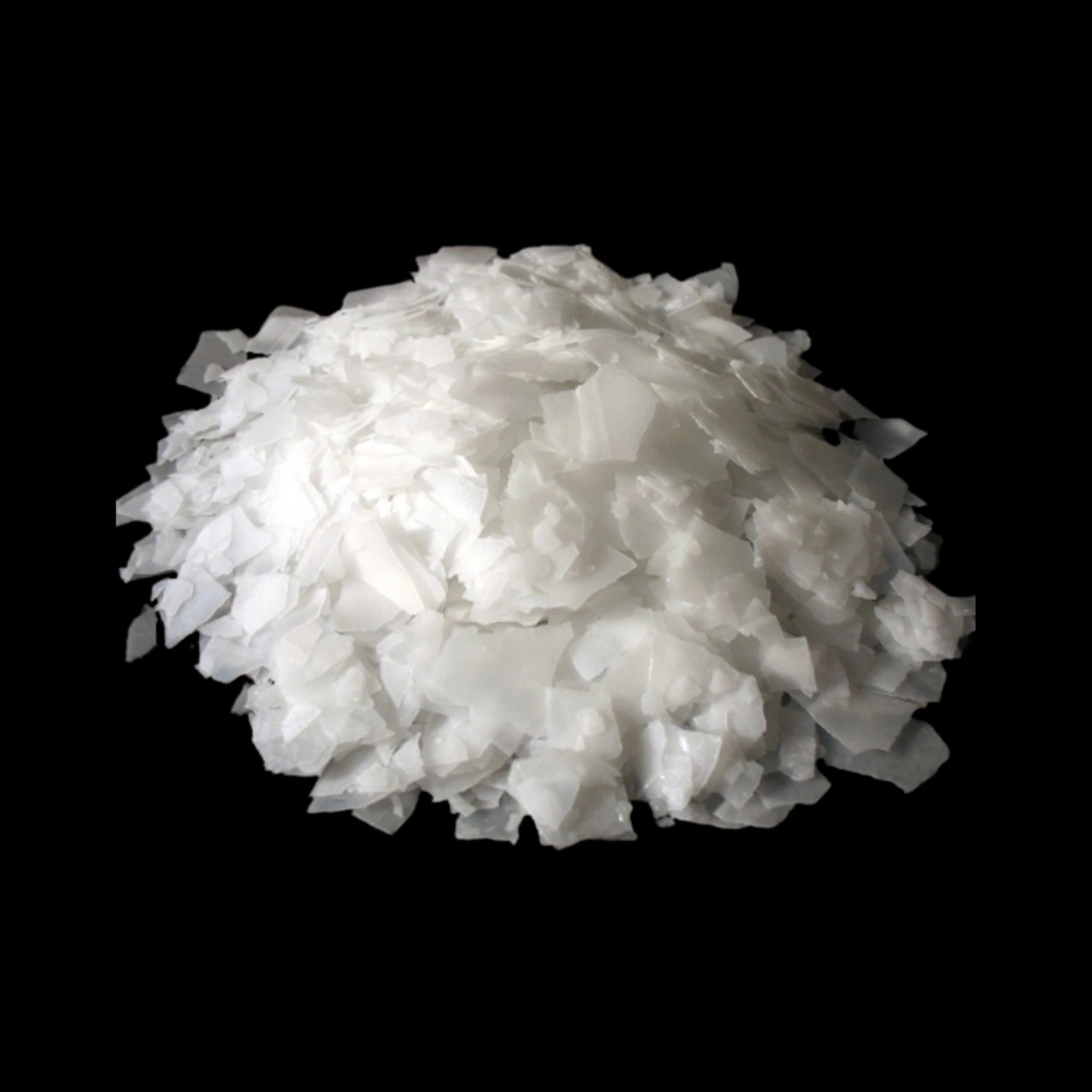
Caustic Soda Flakes
Found this useful?