
Germany's BASF and Belgium's Solvay Post Contrasting Q2 2026 Results

Germany’s BASF and Belgium’s Solvay Post Contrasting Q2 2026 Results
Introduction
Germany’s BASF and Belgium’s Solvay delivered notably different second-quarter performances in 2026, highlighting the uneven recovery taking place across the European chemicals industry.
BASF reported a strong increase in sales and earnings, supported by higher prices, stronger volumes and improved performance across several industrial businesses. Solvay, meanwhile, continued to face pressure from weaker soda ash pricing, lower volumes and the impact of geopolitical disruption.
The contrasting results show that the European chemicals market is not moving in a single direction. While some producers are benefiting from tighter supply conditions and improved pricing, others remain exposed to weak demand and persistent pricing pressure.
BASF Reports Strong Q2 Performance
BASF's second-quarter sales reached €17.2 billion, an increase of €2.4 billion compared with Q2 2025. The improvement was driven primarily by an 11.5% increase in prices and 7.3% growth in volumes.
EBIT rose to €937 million, up €542 million from the previous year. BASF also reported significantly higher net income, although the result was heavily influenced by the gain from the sale of its Coatings business to Carlyle.
For the first half of 2026, BASF's sales reached €33.2 billion, while EBITDA before special items increased by €715 million to €4.8 billion.
The company subsequently raised its full-year 2026 EBITDA-before-special-items outlook to €6.9–7.7 billion, compared with the previous range of €6.2–7.0 billion.
What Is Supporting BASF?
BASF's stronger performance reflects several factors.
Higher selling prices played an important role, particularly in the Chemicals, Surface Technologies, Materials and Industrial Solutions segments. Volume growth also provided additional support.
Supply disruptions linked to the Middle East conflict have tightened availability in some markets. BASF said utilization rates at its Ludwigshafen site improved, partly because supply disruptions reduced competitive pressure and supported pricing in parts of the European chemicals market.
However, this improvement should not necessarily be interpreted as a broad-based recovery. BASF continues to face structural challenges, including weak European demand, high energy costs and competition from producers in Asia.
Solvay Faces a Different Q2 Environment
Solvay's second-quarter results presented a more challenging picture.
Underlying net sales reached approximately €1.03 billion, representing a 7.4% organic decline compared with Q2 2025. The company attributed the decline primarily to continued weakness in soda ash pricing and the negative impact of the Middle East conflict.
The Basic Chemicals business was particularly affected. Sales declined organically, with lower volumes and negative pricing effects. Soda ash pricing weakened more significantly in seaborne markets than in domestic markets.
Solvay also faced direct costs related to geopolitical disruption. The Middle East conflict affected operations and added pressure to the company's profitability.
BASF vs. Solvay: What the Results Tell Us
The two companies illustrate how differently individual chemical businesses can respond to the same market environment.
Factor | BASF | Solvay |
|---|---|---|
Q2 sales trend | Strong increase | Organic decline |
Pricing environment | Higher prices supported sales | Soda ash pricing under pressure |
Volumes | Increased | Declined in key areas |
Geopolitical impact | Mixed, with some supply benefits | Negative operational impact |
H2 outlook | Earnings outlook raised | Continued cautious approach |
Main market signal | Improving earnings in several businesses | Persistent pressure in soda ash/basic chemicals |
The comparison suggests that product mix, market exposure and regional supply conditions are becoming increasingly important in determining chemical producers' financial performance.
Implications for Chemical Procurement
The contrasting results are important for procurement teams because they demonstrate that chemical prices cannot be evaluated using broad industry trends alone.
A buyer sourcing materials from a producer benefiting from higher prices may face a very different negotiation environment from a buyer purchasing products exposed to oversupply or weak demand.
Procurement teams should therefore monitor:
1. Product-Specific Pricing
Rather than assuming that the entire chemical market is becoming more expensive, buyers should track individual product categories and their underlying supply-demand conditions.
2. Regional Price Differences
Solvay's weaker seaborne soda ash pricing demonstrates how regional logistics and market conditions can create significant differences between domestic and international pricing.
3. Supplier Financial Performance
Quarterly results can provide useful signals about supplier capacity, investment priorities and pricing strategies.
4. Inventory and Working Capital
BASF's cash flow was affected by higher amounts of capital tied up in inventories and trade receivables. Higher raw material prices also increased the value of inventory held by the company.
This highlights the importance of monitoring inventory costs alongside headline material prices.
What Could Happen in H2 2026?
The second half of 2026 is likely to remain highly differentiated across chemical markets.
BASF's stronger earnings outlook suggests that selected businesses may continue benefiting from improved pricing and volumes. However, the company has also warned about geopolitical uncertainty and potential disruptions affecting major shipping routes.
Solvay's results indicate that commodity-oriented businesses such as soda ash remain vulnerable to pricing pressure, particularly in international markets.
The broader European chemical sector is therefore likely to experience a combination of cost pressure, selective price recovery and continued demand weakness rather than a uniform recovery.
Conclusion
BASF and Solvay's Q2 2026 results provide two contrasting views of the European chemicals market.
BASF benefited from stronger prices, higher volumes and improved earnings across several businesses, leading the company to raise its full-year earnings outlook. Solvay, meanwhile, continued to face pressure from weak soda ash pricing, lower volumes and geopolitical disruption.
For chemical buyers, the key lesson is that market intelligence must move beyond headline industry trends. Product-level pricing, regional supply conditions, freight disruption and supplier financial performance all need to be considered when making procurement decisions.
As H2 2026 progresses, companies that combine supplier intelligence with real-time pricing and supply-chain monitoring will be better positioned to identify cost-saving opportunities and manage chemical sourcing risks.
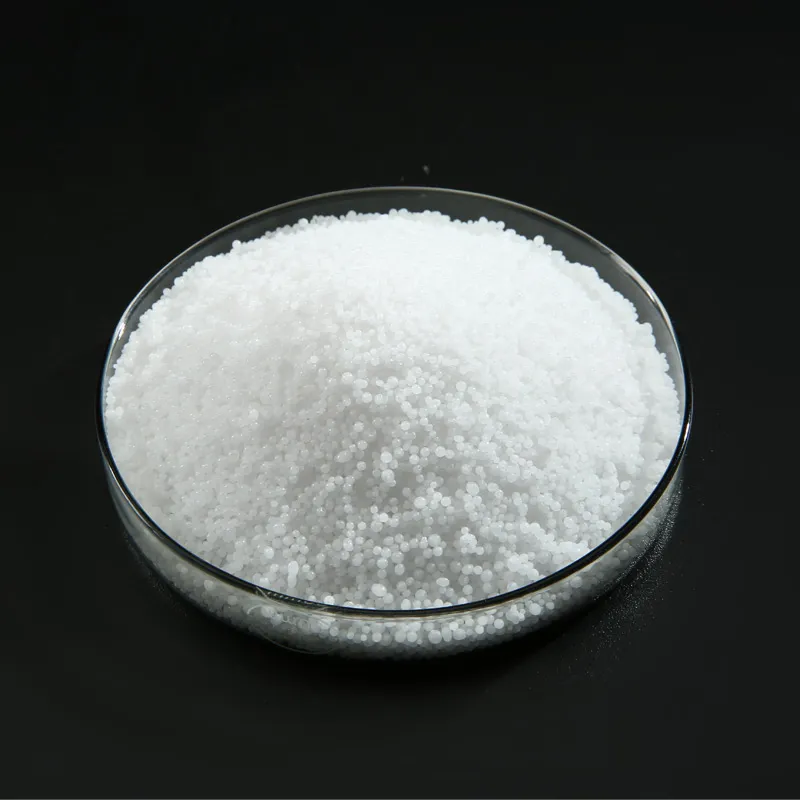
Caustic Soda Pearls - China

Found this useful?