Germany's Rhine-Dependent Chemical Cluster Faces Continued Late-Summer Disruption
Germany’s Rhine-Dependent Chemical Cluster Faces Continued Late-Summer Disruption
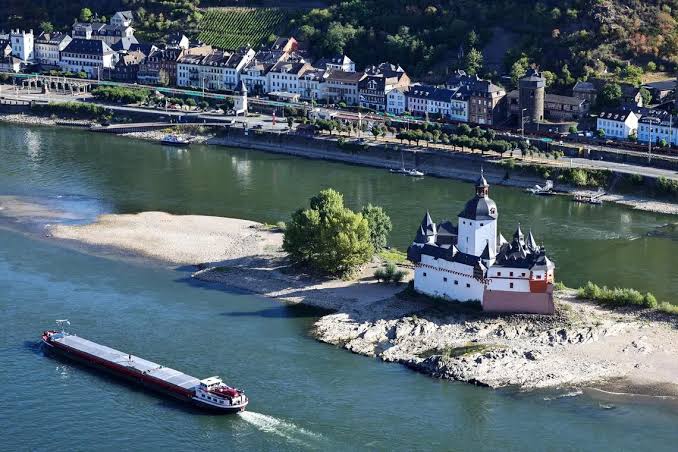
Extremely low water levels on the Rhine are again constraining logistics and production across Germany’s chemical manufacturing heartland. In August 2026, several producers have reported reduced barge capacity, higher transport costs and selective output cuts as the river reaches record or near-record lows at critical choke points. The latest restrictions extend a familiar late-summer pattern in which dry conditions disrupt the waterborne supply chains that feed and serve the country’s largest integrated chemical sites.
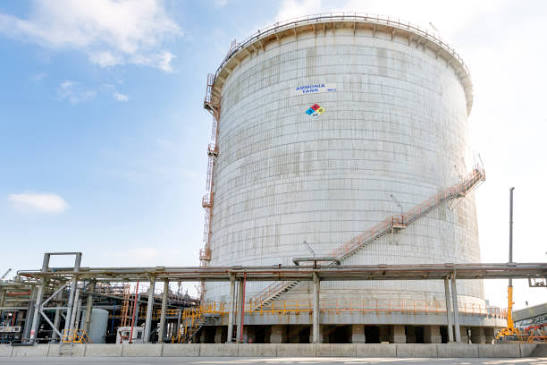
The Rhine remains a primary artery for moving naphtha, other feedstocks and finished products to and from complexes in Ludwigshafen, the Rhine-Ruhr region and intervening locations. When water levels fall, barge loading capacities shrink dramatically, forcing companies to shift volumes onto trucks and rail at significantly higher cost or to throttle production to match constrained inbound and outbound flows. BASF has already reduced output at certain Ludwigshafen units and notified customers of limited availability on some products, while still describing the overall impact as manageable relative to the severe 2018 low-water episode. Covestro declared force majeure on selected polyether polyols from its Dormagen site, and other producers have reported hampered cargo movements and elevated logistics expenses.
Recurring Seasonal Vulnerability
Low-water events on the Rhine have become a recurring late-summer risk for the German chemical industry. Each episode reinforces the cluster’s dependence on a single inland waterway whose navigability is sensitive to prolonged dry weather. Although companies have invested in low-water vessels, alternative modal capacity and inventory buffers since previous crises, the physical limits of the river still translate into production and delivery constraints when levels remain depressed for weeks.
The current episode coincides with broader efforts by major producers to restore competitiveness at energy-intensive European sites. Logistics disruptions add a temporary but material headwind, raising unit costs and complicating customer supply commitments at a time when many players are already managing tight margins and restructuring programs.
Implications for Regional Chemical Trade
For downstream customers and traders, the Rhine constraints tighten prompt availability of certain intermediates and specialties sourced from affected German plants. Alternative European or import supply may partially offset shortfalls, yet higher inland freight rates and potential force-majeure declarations introduce additional friction into regional trade flows. The duration of the disruption will depend on rainfall and the speed of river-level recovery; until then, the German chemical cluster continues to operate under the logistical limitations imposed by late-summer low water.
The latest round of production and transport adjustments underscores that Rhine navigability remains a structural variable for one of Europe’s most important chemical manufacturing regions—one that seasonal dry conditions can still quickly convert into tangible supply-chain pressure.
D-Calcium Pantothenate (Vitamin B5)
Found this useful?