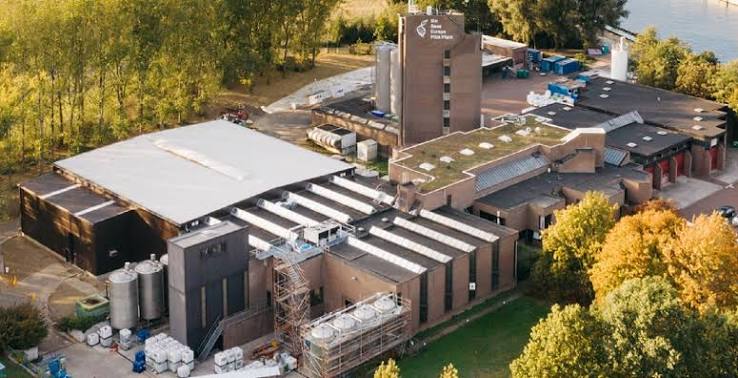
Ghent, Belgium Pilot Plant Positions Europe for Future Biobased Aniline Supply Chains
terminal
prodchem
Jul 29, 2026
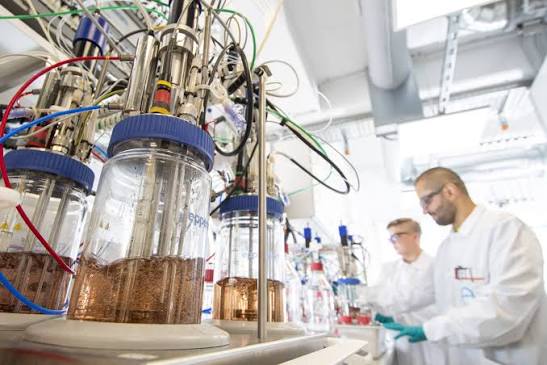
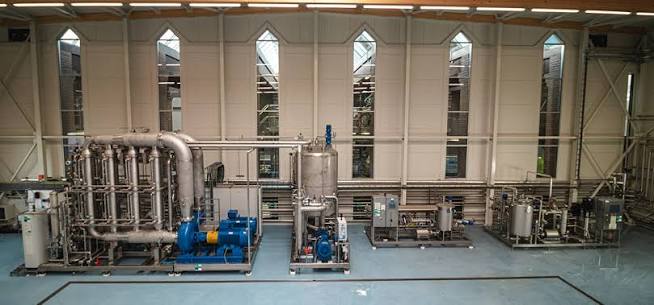
A planned pilot facility near Ghent, Belgium, is laying the groundwork for a future biobased aniline supply chain in Europe. The project aims to validate technologies capable of producing renewable aniline a key intermediate used in polyurethane manufacturing offering the potential to reduce reliance on fossil-based feedstocks while supporting the European Union's broader sustainability and circular economy objectives.
For chemical manufacturers, polyurethane producers, and procurement professionals, the initiative represents an early but significant step toward commercializing bio-based specialty chemicals. Although still at the pilot stage, successful testing could accelerate investment in renewable feedstocks, strengthen regional supply chains, and expand Europe's portfolio of sustainable chemical intermediates.
Why Biobased Aniline Matters
Aniline is an essential building block in the production of methylene diphenyl diisocyanate (MDI), a core raw material for polyurethane foams, insulation, coatings, adhesives, elastomers, and automotive components.
Key products and industries supported include:
Polyurethane (PU)
Methylene Diphenyl Diisocyanate (MDI)
Insulation Materials
Industrial Coatings
Adhesives and Sealants
Automotive Components
Producing aniline from renewable feedstocks could help lower carbon emissions while reducing dependence on conventional petrochemical sources.
Polyurethane manufacturing depends on intermediates such as Aniline, Methylenediphenyl Diisocyanate (MDI), Polyether Polyols, Propylene Glycol (PG), Acetic Acid, and Methanol. The development of renewable aniline technologies could support lower-carbon polyurethane production while improving the sustainability of downstream products used in construction, automotive, insulation, and industrial applications.
Increased investment in sustainable polyurethane production
New regional supply chains for renewable intermediates
Greater innovation in green chemistry
Expanded opportunities for specialty chemical manufacturers
If successfully commercialized, biobased aniline could become an important component of Europe's sustainable manufacturing strategy.
Procurement Considerations
Procurement teams should consider:
Monitoring developments in renewable chemical technologies
Evaluating future bio-based raw material availability
Diversifying supplier portfolios across conventional and renewable sources
Assessing sustainability credentials of suppliers
Preparing for evolving regulatory and customer sustainability requirements
Tracking commercialization timelines for emerging technologies
Early awareness of new feedstock technologies can help businesses prepare for future shifts in sourcing and product specifications.
Looking Ahead
While commercial-scale production remains a future objective, the Ghent pilot project demonstrates Europe's commitment to developing sustainable chemical supply chains. As demand grows for lower-carbon materials across construction, automotive, and consumer industries, renewable intermediates such as biobased aniline could become increasingly important.
For procurement professionals, monitoring pilot-scale innovations today may provide a competitive advantage as bio-based chemical production expands over the coming years.
Key Takeaways
The Ghent pilot plant is advancing Europe's future biobased aniline supply chain.
Renewable aniline could support more sustainable polyurethane production.
The project aligns with Europe's broader green chemistry and circular economy goals.
Procurement teams should monitor emerging renewable feedstock technologies.
Bio-based intermediates may play a growing role in future specialty chemical markets.