
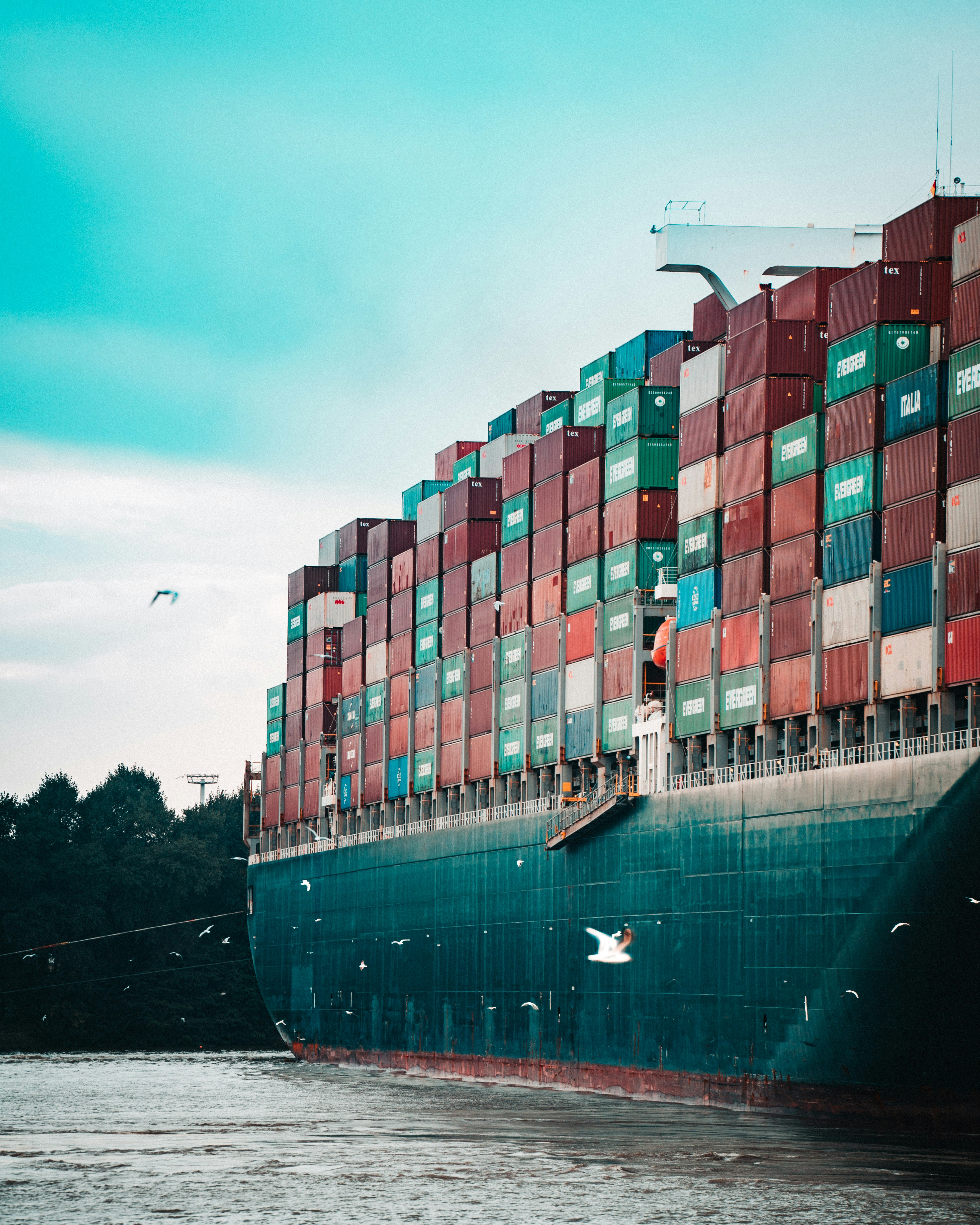
Global Chemical Freight: How Shipping Costs Affect Delivered Prices
Global Chemical Freight: How Shipping Costs Affect Delivered Prices
Global chemical prices are shaped by more than production costs and supplier margins. Freight rates, fuel prices, insurance premiums, port handling charges and inland transportation can all influence the final price paid by an industrial buyer. For chemicals traded across international markets, logistics costs can determine whether a supplier remains commercially competitive or whether buyers need to consider alternative sourcing options.
Shipping-cost volatility has become an important concern for chemical manufacturers, distributors and importers. UN Trade and Development has highlighted how geopolitical tensions, route disruptions and imbalances between shipping capacity and demand have contributed to volatility in maritime transport costs. These changes affect container, bulk and tanker shipping, although the impact varies by route and cargo type. Source: UNCTAD
What Determines the Cost of Shipping Chemicals?
Chemical freight costs depend on the product being transported, the shipment size, the origin and destination, and the transport method. Chemicals may move in drums, IBCs, containers, ISO tanks, bulk vessels or dedicated chemical tankers. Each method has different handling, equipment and documentation requirements.
The main factors affecting shipping costs include:
Ocean and Tanker Freight Rates
Ocean freight is a major cost component for many internationally traded chemicals. Containerised products, including certain solvents, additives, resins and polymer materials, may be affected by changes in container rates. Liquid bulk chemicals are more likely to depend on chemical-tanker availability, parcel size, vessel specifications and route conditions.
Freight rates can rise when vessel capacity becomes limited, demand increases or shipping routes become longer.
Fuel and Energy Costs
Marine fuel affects vessel operating costs, while diesel prices influence road transport and some rail-related logistics charges. Carriers and transport providers may pass these increases on through fuel surcharges or revised freight quotations.
In April 2026, ICIS reported that rising diesel costs had led chemical-sector companies and transport providers in the United States to introduce or announce additional transportation charges. Although the examples were market-specific, they illustrate how energy costs can influence the delivered price of chemical products. Source: ICIS
Insurance, Port Charges and Surcharges
The base freight rate may not represent the full transportation cost. Depending on the route and quotation, additional charges can include:
Bunker or fuel adjustment surcharges
Peak-season or general rate increases
War-risk insurance premiums
Port and terminal handling charges
Container cleaning, tank preparation or specialised handling fees
Customs-related charges and documentation fees
Demurrage and detention charges when equipment or cargo is delayed
Not every shipment attracts every charge. Buyers should request an itemised quotation and confirm which costs are included, excluded or subject to change. UNCTAD identifies fuel, surcharges, terminal handling and insurance among the components that contribute to total maritime transport costs. Source: UNCTAD
How Freight Costs Affect Delivered Chemical Prices
The price quoted by a supplier may differ significantly from the final cost of receiving the product at the buyer’s facility. This distinction is especially important when comparing international suppliers that offer different shipping terms.
Understanding FOB, CFR and CIF Prices
FOB (Free on Board): Under the relevant Incoterms® rule, the seller delivers the goods on board the nominated vessel at the agreed port of shipment. The buyer generally arranges and pays for the main carriage and insurance if required.
CFR (Cost and Freight): The seller pays the cost of carriage to the named destination port, but the transfer of risk occurs when the goods are on board the vessel at the port of shipment. The buyer should not assume that destination charges or import clearance are included.
CIF (Cost, Insurance and Freight): The seller pays the freight and obtains the required insurance for the named destination port. Risk still transfers when the goods are on board at the shipment port, and destination charges and import duties may remain payable by the buyer.
These terms should be stated with the named port and the applicable Incoterms® edition. They allocate specific responsibilities and costs; they do not automatically mean that every expense up to the buyer’s warehouse is included.
Calculating the Landed Cost
A useful starting point for comparing suppliers is to calculate the total landed cost per unit of product.
Landed cost per unit can be estimated by adding:
Product purchase price
International freight
Insurance, where applicable
Origin and destination handling charges
Customs duties, taxes and clearance expenses
Inland delivery
Other shipment-specific costs
The total should then be divided by the quantity of usable product received. Any applicable recoverable taxes should be treated consistently with the buyer’s accounting and tax arrangements.
For example, a supplier offering a lower price per tonne may not be the least expensive option if its freight route is longer, its shipment size is inefficient or additional handling fees apply. Comparing landed cost gives procurement teams a more reliable basis for supplier selection than comparing product prices alone.
Why Chemical Shipments Face Specific Logistics Challenges
Chemical freight does not operate as a single, uniform market. The physical and regulatory characteristics of the product can influence how it is packed, handled, insured and transported.
Dangerous Goods and Special Handling
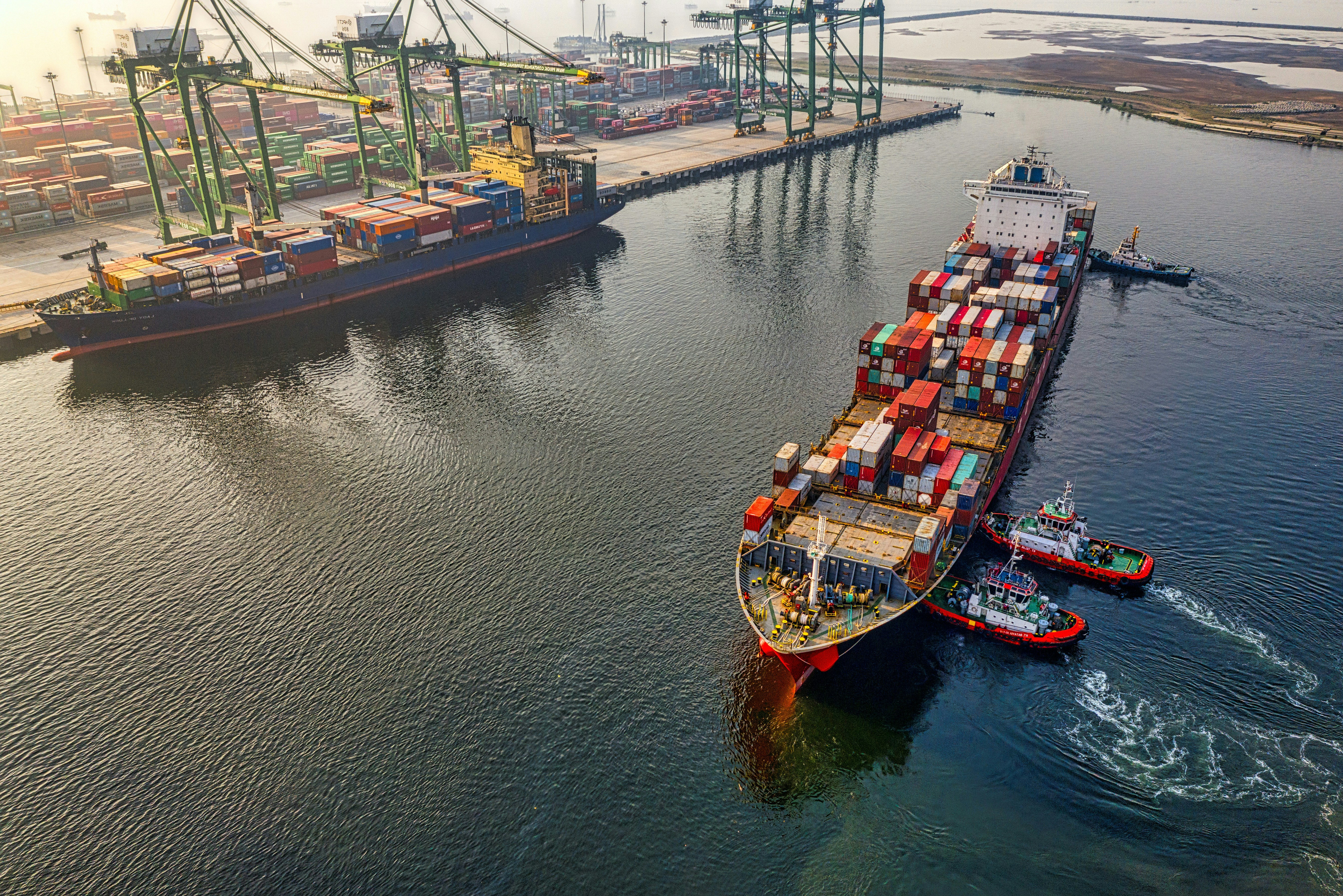
Some chemicals are classified as dangerous goods for transport. Depending on the applicable classification and mode, shipments may require approved packaging, hazard labels, declarations, specialised handling and carriers equipped to accept the cargo.
These requirements can add cost or reduce the number of available shipping options. Buyers should confirm the product’s transport classification and obtain the relevant safety data sheet before finalising a freight quotation.
Equipment Availability and Compatibility
Certain products require stainless-steel tanks, dedicated tank containers, temperature control or other specialised equipment. Equipment availability, cleaning requirements and compatibility restrictions can affect both the freight rate and shipment lead time.
A standard container quotation should therefore not be assumed to apply to a chemical that requires a specialised transport solution.
Shipment Size and Delivery Schedule
Smaller consignments can have a higher transportation cost per tonne because fixed charges are spread across fewer units. Larger shipments may reduce the unit cost, but they can increase inventory holding costs, storage requirements and the risk of holding excess stock.
Procurement teams should balance freight savings against working capital, storage capacity, product shelf life and production demand.
How Global Shipping Disruptions Influence Chemical Markets
Shipping disruptions affect prices through more than the immediate cost of a vessel or container. Rerouting can extend transit times, delay deliveries and reduce the amount of shipping capacity available for other cargoes. Port congestion can create further delays and increase the risk of demurrage, detention or production interruptions.
UNCTAD’s 2025 maritime transport review describes how geopolitical disruptions, longer routes and changes in shipping capacity have contributed to freight volatility. The OECD has also examined the relationship between container shipping costs and import prices, showing why transport-cost movements matter beyond the logistics sector itself.
Sources: UNCTAD Review of Maritime Transport 2025 and OECD report on container shipping costs and import prices.
For chemical buyers, the commercial consequences may include:
Higher delivered prices even when the supplier’s product price remains unchanged
Longer replenishment cycles and less predictable arrival dates
Additional inventory requirements to protect production schedules
Changes in the competitiveness of suppliers from different regions
Greater uncertainty when preparing budgets and customer quotations
The effect is not identical across all chemicals. Products with low unit values and high transport requirements may be particularly sensitive to freight changes, while high-value products may absorb a larger transport cost relative to their purchase price. Shipment density, packaging and route selection also influence the outcome.
Procurement Strategies for Managing Chemical Freight Costs
Chemical buyers can reduce exposure to freight volatility by treating logistics as part of sourcing strategy rather than as a separate administrative expense.
Compare Suppliers on a Consistent Basis
Request quotations that use the same product specification, order quantity, delivery destination, shipment schedule and Incoterms® rule. Ask suppliers to separate the product price from freight and other charges wherever possible.
This helps procurement teams identify whether a price difference comes from the product itself, transportation, handling or the allocation of commercial responsibilities.
Review Contract Terms and Surcharge Clauses
Confirm whether freight rates are fixed for the quotation’s validity period or can change before shipment. Contracts should clarify how fuel adjustments, emergency surcharges, route changes and delays are handled.
Where appropriate, buyers can evaluate fixed-rate freight agreements or longer-term arrangements. These may improve budget visibility, although their value depends on market conditions, contract flexibility and the risk of committing above future spot rates.
Evaluate Alternative Routes and Transport Modes
An alternative port, supplier location or transport mode may reduce the total cost in some circumstances. However, the comparison should include inland freight, handling, transit time, reliability and any extra requirements for the chemical being shipped.
A lower ocean freight rate is not necessarily a lower total logistics cost if it requires expensive inland transport or creates a greater risk of delay.
Plan Orders Around Demand and Inventory
Consolidating orders can reduce the freight cost per unit, particularly for small shipments. Buyers should nevertheless avoid increasing order quantities solely to obtain a lower freight rate without considering storage costs, cash flow, shelf life and demand uncertainty.
For critical raw materials, maintaining a suitable safety-stock policy and qualifying alternative suppliers may help limit the financial impact of delayed shipments.
Track Freight and Delivered-Cost Trends
Procurement teams should monitor freight quotations, fuel-related surcharges, transit-time changes and supplier delivery performance. Regularly recalculating landed costs helps businesses identify when a supplier that was previously competitive has become more expensive after transportation charges are included.
What Chemical Suppliers Should Communicate to Buyers
Suppliers and distributors can improve purchasing decisions by providing transparent, complete and comparable quotations. A useful quotation should specify:
Product grade, specification and quantity
Price basis and currency
Incoterms® rule and named location
Freight cost and quotation validity
Included and excluded handling charges
Estimated transit and delivery times
Packaging and transport requirements
Required documents and applicable dangerous-goods information
Conditions under which surcharges or additional charges may apply
Clear communication helps buyers forecast the total cost of procurement and reduces the risk of unexpected charges after an order has been confirmed.
Sources:
https://unctad.org/publication/review-maritime-transport-2025?

Hydroboracite - Argentina
Found this useful?