Global Chemical Industry Growth Forecasts Diverge: 3.5% Optimism Meets Reality Checks
The global chemical industry is entering 2026 with mixed expectations. Several industry trade organizations project approximately 3.5% growth in global chemical production, suggesting continued recovery in manufacturing activity and downstream demand. However, more conservative market forecasts caution that persistent overcapacity, weak industrial demand, geopolitical uncertainty, and pricing pressure could limit the pace of expansion.
The gap between optimistic and cautious outlooks highlights one of the industry's defining themes for 2026: while production is expected to grow, profitability and market balance remain far less certain. For manufacturers, distributors, and procurement professionals, understanding these competing forecasts is essential for planning production, sourcing strategies, and investment decisions.
Why Forecast Differences Matter
Growth forecasts influence decisions across the chemical value chain, from capacity investments and inventory planning to procurement and pricing strategies.
The differing outlooks reflect several market realities:
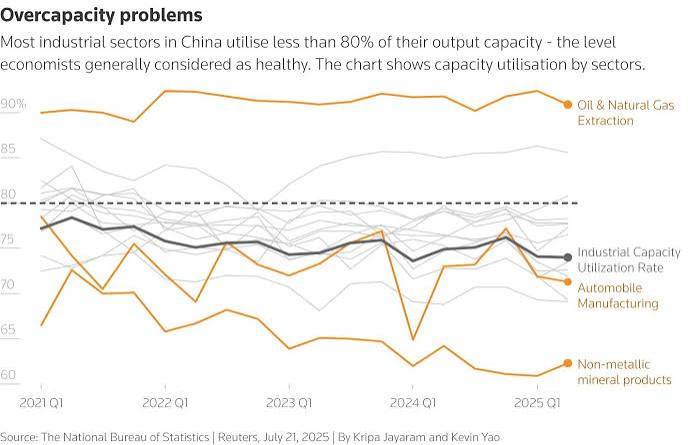
Persistent global overcapacity in key chemical segments
Uneven industrial demand across regions
Ongoing geopolitical and trade uncertainties
Fluctuating energy and feedstock costs
Regional differences in manufacturing recovery
Continued pressure on producer margins
While production volumes may increase, many producers could still face profitability challenges if supply continues to outpace demand.
Global production forecasts directly influence demand expectations for major industrial chemicals such as Caustic Soda, Methanol, Acetic Acid, Polyvinyl Chloride (PVC), Polyethylene (PE), and Sulfuric Acid. Changes in manufacturing activity, construction demand, and industrial output can significantly affect consumption patterns, pricing trends, and procurement strategies for these widely traded chemical products.
Polyethylene Glycol (200) - China
Market Implications
The contrast between optimistic production forecasts and more cautious market assessments suggests a complex operating environment for the chemical industry.
Potential market impacts include:
Continued expansion in global chemical production
Stronger competition among producers
Downward pressure on prices in oversupplied markets
Increased emphasis on operational efficiency
Greater focus on specialty and value-added chemicals
More disciplined capital investment decisions
Companies with diversified product portfolios and flexible supply chains are likely to be better positioned to adapt to changing market conditions.
Procurement Considerations
Procurement teams should avoid relying on a single market outlook and instead prepare for multiple market scenarios.
Recommended strategies include:
Monitor production and demand indicators regularly
Diversify supplier networks across regions
Balance long-term contracts with spot market purchasing
Review inventory strategies based on market conditions
Track feedstock and energy price movements
Maintain procurement flexibility as forecasts evolve
Scenario-based planning can help organizations respond more effectively to changing supply-demand conditions.

Looking Ahead
Although industry organizations remain optimistic about 3.5% global chemical production growth in 2026, the sector continues to face structural challenges that could slow recovery in certain markets. Overcapacity, particularly in petrochemicals and commodity chemicals, remains a major concern despite expectations of stronger production.
For businesses operating across the chemical value chain, combining market intelligence with flexible procurement strategies and diversified sourcing will remain essential. Companies that successfully balance growth opportunities with disciplined risk management are likely to be better positioned in an increasingly competitive global market.
Key Takeaways
Industry organizations project approximately 3.5% growth in global chemical production during 2026.
More conservative forecasts highlight risks from overcapacity and weak demand.
Market conditions are expected to vary significantly across regions and chemical segments.
Procurement teams should prepare for multiple market scenarios rather than relying on a single forecast.
Supply chain flexibility and diversified sourcing remain key competitive advantages.
Found this useful?