
Global Chemical Industry Outlook 2027: Key Trends, Market Growth, and Future Opportunities
The global chemical industry faces a decisive period as it moves towards 2027, with energy security, production costs and regional competition reshaping business decisions. After a difficult period marked by uneven demand and excess capacity, chemical producers and traders must prepare for a market where growth opportunities will vary significantly by product, region and end-use sector.
The global chemical industry outlook for 2027 points towards a gradual but uneven recovery, with emerging markets, specialty chemicals and advanced materials offering potential growth opportunities. However, geopolitical tensions, volatile feedstock prices and trade disruptions could continue to influence production volumes, export competitiveness and purchasing decisions.
For chemical manufacturers, importers, exporters and procurement managers, understanding these shifts will be essential for identifying reliable suppliers, managing costs and positioning their businesses for changing market conditions.
1. Global Chemical Industry Outlook for 2027
The outlook for 2027 depends on how quickly industrial demand recovers and whether producers can bring supply and consumption into better balance. Chemical production serves numerous industries, including agriculture, construction, automotive manufacturing, electronics, pharmaceuticals, textiles and consumer goods, so changes in these sectors can influence chemical demand across the value chain.
Industry forecasts published during 2026 point towards substantial uncertainty. Allianz Research anticipates that global economic growth will improve in 2027, supporting a gradual recovery in chemical demand, although performance will differ between regions and product categories.
Several factors will shape the market:
Industrial recovery: Stronger manufacturing activity could support demand for polymers, solvents, acids and other industrial inputs.
Capacity adjustments: Producers may reduce output, restructure operations or close less competitive facilities to address persistent oversupply.
Energy and feedstock availability: reliable access to natural gas, crude oil derivatives and electricity will remain important for controlling production costs.
Trade and investment conditions: Tariffs, shipping disruptions and changing industrial policies could influence where companies manufacture and source chemicals.
A recovery in production does not automatically translate into stronger profits. If capacity expands faster than consumption, producers may continue competing aggressively on price, particularly in commodity chemicals.
2. Regional Markets: Asia, North America and Europe
Geographical differences will remain central to the chemical industry's performance in 2027. Producers with access to competitive feedstocks, efficient infrastructure and expanding customer industries may gain market share, while higher-cost manufacturers could face greater pressure.
Asia remains a major centre of chemical production and demand. China benefits from extensive manufacturing capacity and established chemical supply chains, while India and other developing Asian economies offer opportunities linked to industrialization, infrastructure investment and growing domestic consumption.
China's scale also creates competitive challenges. When domestic production exceeds local demand, exporters can increase their presence in international markets, putting pressure on competing producers and influencing prices across Asia and Europe.
North America benefits from access to natural gas and associated petrochemical feedstocks. These advantages can support the competitiveness of basic chemicals and polymers, although operating costs, trade policy and demand from downstream industries will continue to affect individual producers.
Europe faces a different set of challenges. The European Chemical Industry Council reported in its 2025 industry figures that Europe accounted for 13% of global chemical sales, compared with China's 46%. High energy costs, weak demand and pressure from imports remain important concerns for European manufacturers.
For international buyers, these regional differences create several sourcing considerations:
Compare suppliers across multiple producing regions rather than relying on a single established market.
Evaluate freight, insurance, tariffs and delivery reliability alongside the quoted chemical price.
Consider regional production advantages when negotiating long-term contracts for bulk materials.
Monitor export availability from major manufacturing hubs before committing to large purchase volumes.
3. Key Drivers of Chemical Prices and Profitability
Chemical prices in 2027 will depend on the interaction between production costs, market availability and downstream demand. Even when consumption improves, oversupply or high input costs can limit producers' ability to increase selling prices.
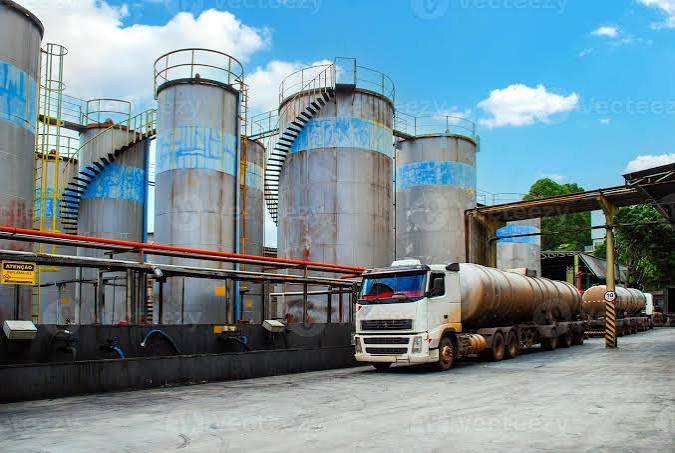
Energy and feedstocks remain fundamental cost drivers. Natural gas supports the manufacture of several nitrogen-based chemicals and serves as a feedstock for numerous industrial processes, while crude oil derivatives influence the economics of petrochemicals, solvents and plastics.
Electricity prices also matter, particularly for energy-intensive processes. Differences in energy costs between regions can affect plant utilization, investment decisions and the competitiveness of export offer.
Other important price drivers include:
Production capacity: New plants can increase supply and intensify competition, while shutdowns may tighten availability in specific markets.
Freight and logistics: Shipping costs, port congestion and longer transit times can increase the delivered cost of imported chemicals.
Currency movements: Exchange-rate changes affect import budgets, supplier margins and the final cost of cross-border transactions.
Inventory levels: High stocks can encourage discounting, while limited inventories can make buyers more vulnerable to sudden supply disruptions.
Downstream consumption: Changes in fertilizer production, packaging, cleaning products, construction and automotive manufacturing can shift demand for different chemical categories.
4. Emerging Growth Opportunities Across Chemical Segments
Not every chemical category will follow the same growth trajectory in 2027. Buyers and suppliers should distinguish between mature commodity markets, where competition often centres on price and availability, and specialized segments where technical requirements can create more differentiated opportunities.
Specialty chemicals and advanced materials may benefit from demand for higher-performance products. Electronics manufacturing, data centres, semiconductor production and advanced industrial applications can create opportunities for suppliers of high-purity chemicals, specialty solvents and materials designed for precise performance requirements.
Agriculture will remain another important source of chemical demand. Fertilizers and crop protection products support food production, although demand depends on crop economics, planting decisions, weather conditions and farmers' purchasing power.
Other areas worth monitoring include:
Water treatment: Industrial facilities and municipal systems require chemicals for water purification, process control and wastewater treatment.
Cleaning and personal care: Surfactants, solvents, acids and formulation ingredients serve manufacturers of detergents, hygiene products and personal care items.
Construction materials: Coatings, adhesives, polymers and specialty additives depend on infrastructure activity and building investment.
Food ingredients: Acidity regulators, preservatives and processing ingredients support food manufacturing, subject to applicable quality and regulatory requirements.
Lower-carbon materials: Recycled feedstocks, bio-based chemicals and more energy-efficient production routes may create opportunities as customers pursue sustainability objectives.
These opportunities require careful evaluation. Specialty products can offer stronger differentiation, but they may also involve stricter technical specifications, qualification procedures and customer approval requirements.
5. Supply Chain Resilience and International Chemical Trade
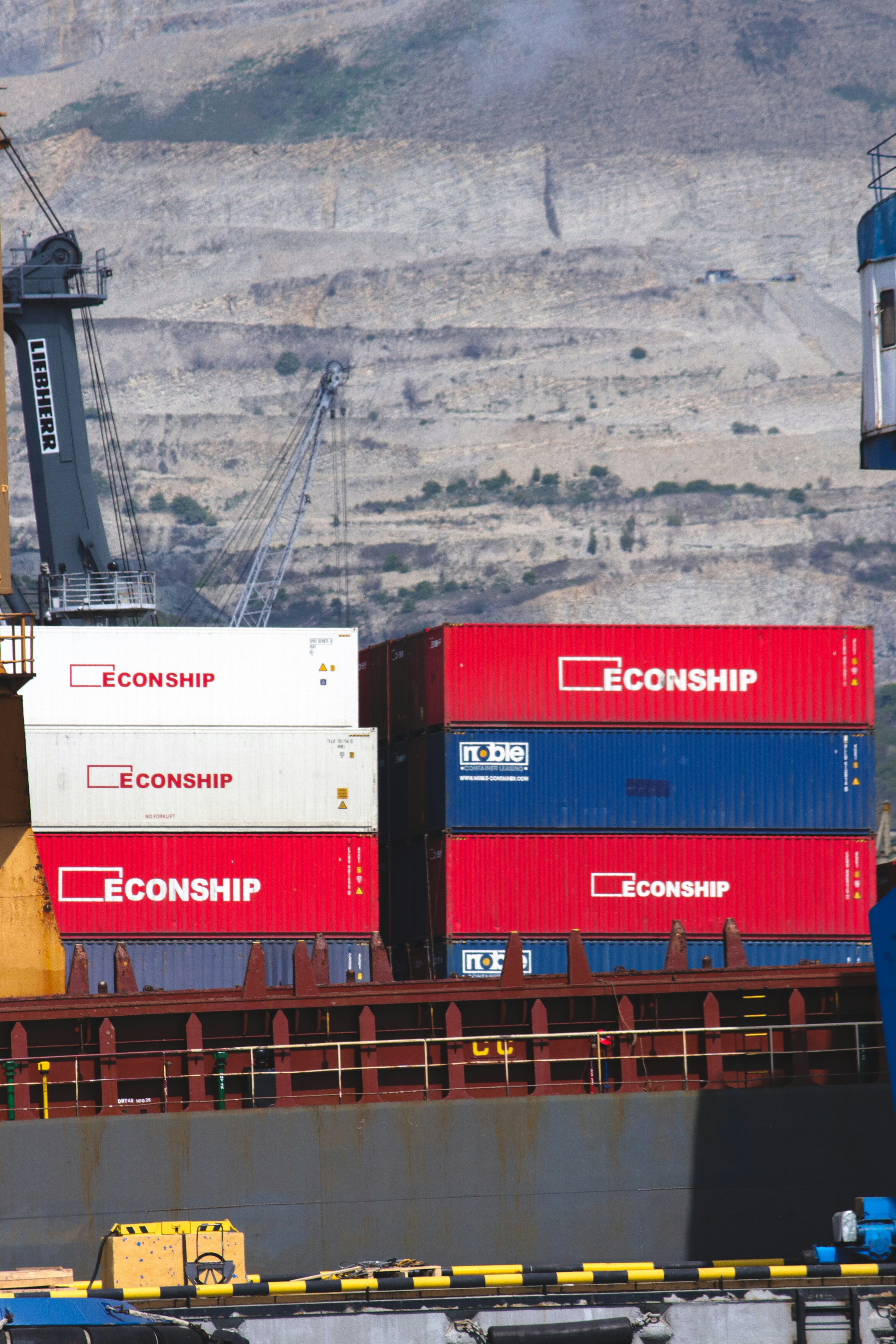
Supply chain resilience will remain a commercial priority as chemical businesses navigate geopolitical uncertainty, changing trade policies and logistical constraints. A supplier may offer an attractive price but still create financial risk if delivery delays interrupt production or force a buyer to purchase replacement material at short notice.
International chemical trade also depends on product compatibility, documentation and transport requirements. Buyers must confirm that the selected grade meets the receiving facility's specifications and that packaging, storage and shipping arrangements suit the material.
A stronger sourcing strategy should address several practical questions:
Can the supplier demonstrate consistent product quality and dependable delivery performance?
Does the supplier have sufficient available capacity to fulfil the requested volume?
Are certificates of analysis, safety data sheets and other required documents available?
Can the shipment comply with the destination country's import rules and chemical transport requirements?
What alternatives exist if the main supplier experiences a shutdown or shipment delay?
Supplier diversification can reduce dependence on a single manufacturer or country. However, adding suppliers without evaluating product consistency, financial reliability and compliance can introduce new problems rather than solve existing ones.
For high-volume chemicals, procurement teams should consider approved backup suppliers, realistic delivery lead times and inventory policies that reflect the consequences of a production interruption.
6. Sustainability, Regulation and Industrial Transformation
Environmental performance is becoming an increasingly important consideration in chemical manufacturing and procurement. Producers face pressure to improve energy efficiency, reduce emissions, manage industrial waste and demonstrate responsible handling of chemical materials.
The transition will not proceed at the same pace everywhere. Investment decisions depend on energy prices, infrastructure, financing, government policy and the availability of technologies that can meet both technical and commercial requirements.
Companies may pursue several approaches:
Improving heat recovery, process efficiency and energy management at existing facilities.
Evaluating renewable electricity and lower-carbon energy sources where infrastructure allows.
Reducing waste through better process control, material recovery and more efficient resource use.
Developing recycled or bio-based feedstocks for suitable applications.
Improving product traceability and environmental reporting across supplier networks.
Regulatory requirements will also influence international trade. Chemical classifications, labelling rules, safety documentation, product registration and restrictions on particular substances can differ between jurisdictions.
Exporters should understand the requirements of their target markets before shipping, while importers should confirm that products and documentation satisfy local rules. Sustainability claims also need appropriate supporting evidence, particularly when customers request information about emissions, recycled content or product origin.
7. Digitalization and Smarter Chemical Procurement
Digital tools can help chemical companies respond more effectively to changing market conditions. Better visibility into orders, inventory, supplier performance and market pricing allows purchasing teams to identify risks earlier and make decisions with more complete information.
For chemical traders, digital procurement platforms can improve supplier discovery and communication between buyers and sellers. Product listings, technical specifications and quotation workflows can help companies compare available offers without relying entirely on fragmented email exchanges.
Useful applications include:
Demand forecasting: Combining historical purchases with customer orders to estimate future material requirements.
Inventory monitoring: Identifying stock shortages and excess inventory before they create avoidable costs.
Supplier evaluation: Comparing quality records, delivery performance, documentation and commercial terms.
Price tracking: Monitoring feedstock movements, freight costs and regional offers to improve purchasing decisions.
Order visibility: Tracking shipment milestones and communicating expected delivery dates to production teams.
Digital tools work best when businesses maintain accurate product data and apply consistent supplier qualification standards. Automated comparisons should account for concentration, grade, packaging, payment terms and delivered cost rather than treating every quotation as equivalent.
8. What Chemical Buyers and Traders Should Prioritize for 2027
The most effective response to the 2027 outlook is a flexible procurement strategy built around market intelligence, reliable suppliers and disciplined cost management. Companies should prepare for opportunities without assuming that every region or product will experience the same recovery.
Procurement managers and chemical traders can take several practical steps:
1. Review product exposure. Identify the chemicals that contribute most to purchasing expenditure and production continuity, then monitor their supply and demand conditions separately.
2. Reassess supplier concentration. Identify products sourced from a single supplier or country and qualify suitable alternatives where commercially practical.
3. Compare total landed cost. Evaluate the chemical price alongside freight, insurance, duties, handling charges and financing costs to understand the actual cost of procurement.
4. Improve contract flexibility. Where appropriate, negotiate realistic delivery schedules, clear quality specifications and commercial terms that address changes in volume or availability.
5. Strengthen quality checks. Confirm product grade, concentration, packaging and documentation before shipment, particularly when switching to a new supplier.
6. Track regional developments. Follow changes in plant capacity, production outages, energy markets, freight availability and trade policy that could affect the materials the business purchases.
7. Match inventory to risk. Establish stock levels based on lead times, demand variability, storage constraints and the commercial consequences of a shortage.
Smaller traders can also benefit from building relationships with multiple qualified suppliers and sharing accurate demand forecasts with business partners. Consistent communication can improve allocation decisions and reduce last-minute purchasing pressure.
Looking Ahead to 2027: Turning Market Changes into Business Opportunities
The global chemical industry is likely to enter 2027 with a mix of recovery opportunities and structural challenges. Regional production advantages, changing industrial demand, sustainability investment and digital procurement will influence which companies can compete effectively.
For buyers, success will depend on balancing price competitiveness with product quality, reliable delivery and regulatory compliance. For producers and traders, understanding the needs of downstream customers and maintaining flexible sourcing networks will help protect margins as market conditions change.
Businesses that combine regional market intelligence with disciplined supplier qualification will be better positioned to respond to new demand, manage uncertainty and secure dependable chemical supplies. The priority is not simply to buy at the lowest quoted price, but to build a sourcing strategy that supports long-term operational reliability and commercial competitiveness.
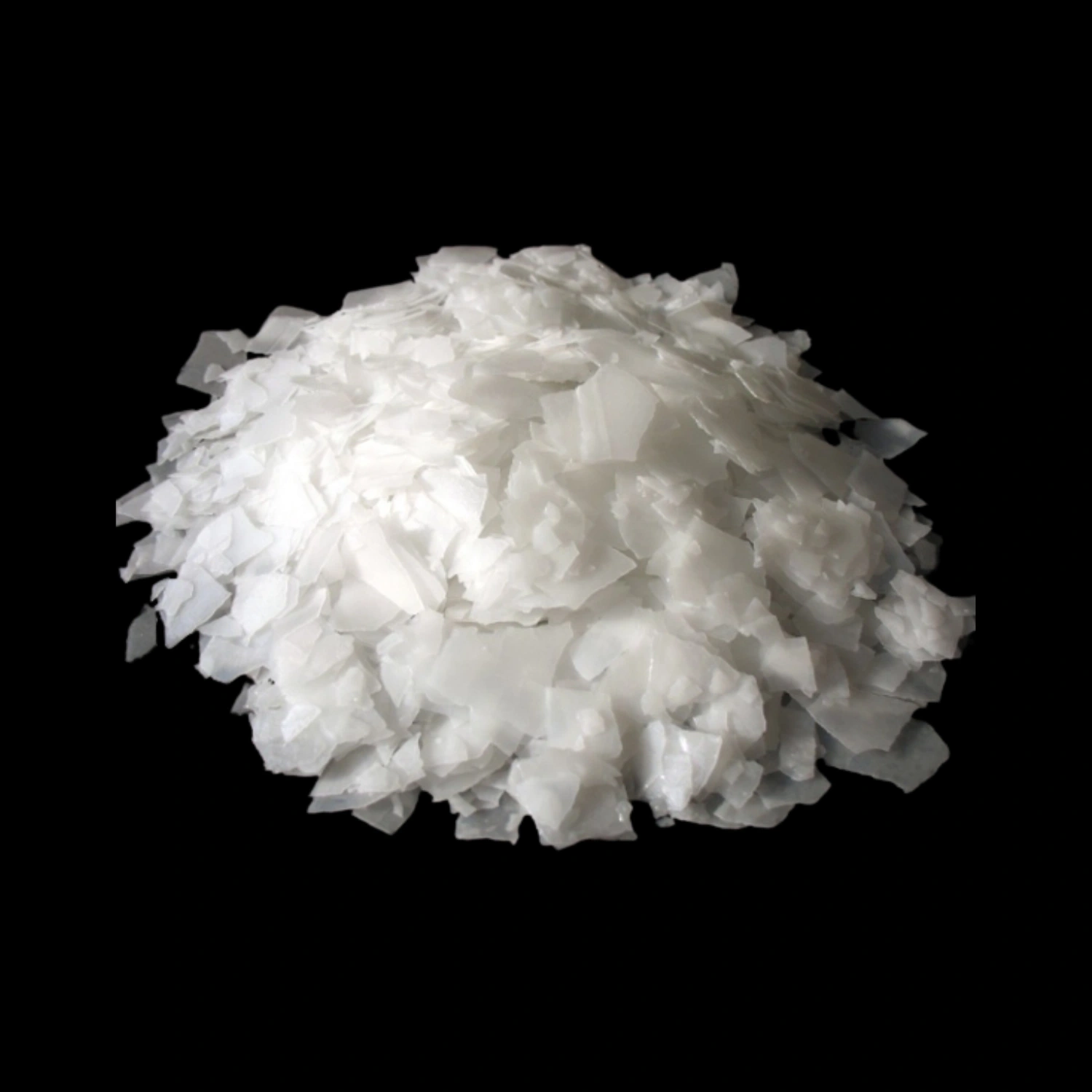
Caustic Soda Flakes
Found this useful?