
Global Chemical Inventory Destocking Continues to Pressure Food Ingredient Input Costs
Global chemical inventory destocking continues to influence food ingredient input costs as manufacturers and distributors work through excess stocks and respond to changing raw material economics. The trend has created a complicated purchasing environment for food ingredient buyers, particularly those sourcing from specialty chemical producers and food-adjacent manufacturers.
The Indian specialty chemicals sector has faced these pressures alongside fluctuating raw material pricing. For procurement teams, the challenge extends beyond securing a competitive quotation. Buyers increasingly need to understand how supplier inventories, production rates and upstream feedstock costs can affect availability and pricing.
Why Global Chemical Destocking Matters for Food Ingredient Buyers
Inventory destocking occurs when manufacturers, distributors and downstream users reduce stock levels instead of replenishing supplies at previous rates. Companies may prioritize cash preservation, lower warehouse exposure or wait for clearer signals on raw material prices before placing new orders.
This behavior can affect the chemical supply chain even when end-user demand remains relatively stable. Lower purchasing activity can reduce short-term order volumes for producers, while suppliers may respond by adjusting production schedules, inventory positions and commercial offers.
For food ingredient buyers, these movements can influence the cost structure of products that depend on chemical inputs. Acids, preservatives, processing aids and other functional ingredients can all experience pricing pressure when upstream materials move sharply.
The effect also varies by product and geography. A buyer may find favorable pricing in one sourcing market while facing tighter availability or higher logistics costs elsewhere.
Indian Specialty Chemicals Sector Faces a Difficult Pricing Environment
India remains an important production and sourcing base for specialty chemicals, including products connected to food processing and ingredient manufacturing. However, producers have faced pressure from global destocking and unstable raw material prices.
Manufacturers must balance several competing factors:
Raw material costs: Changes in upstream feedstocks can quickly alter production economics, especially for chemical products with significant variable input costs.
Inventory levels: High inventories can encourage suppliers to compete more aggressively for orders, while leaner stocks can reduce immediate availability.
Export demand: Softer international purchasing can affect plant utilization and supplier pricing strategies.
Production economics: Manufacturers must align operating rates with current demand instead of relying on previous consumption patterns.
These factors create a market where quoted prices may not always move in line with historical purchasing cycles. Procurement teams therefore need more frequent market checks before committing to large volumes.
How Destocking Can Pressure Food Ingredient Input Costs
The relationship between chemical destocking and food ingredient costs may appear straightforward, but several stages sit between the upstream chemical market and the final ingredient.
When distributors and manufacturers reduce inventories, suppliers may face weaker near-term order volumes. This can increase competition among producers seeking to maintain sales and improve capacity utilization.
For buyers, that environment can create opportunities to negotiate more favorable terms. However, lower prices do not automatically indicate a durable market shift.
A supplier carrying significant stock may offer competitive pricing to accelerate inventory turnover. Another supplier with limited inventory may maintain a firmer offer because replenishment costs remain elevated.
The difference makes supplier-specific inventory positions increasingly important. Procurement teams should evaluate current offers alongside lead times, minimum order quantities, payment terms and expected replenishment costs.

Raw Material Pricing Remains a Critical Cost Driver
Raw material volatility remains one of the most important factors shaping chemical input costs. Specialty chemical manufacturers often depend on multiple upstream materials, meaning a movement in one feedstock can affect several products further down the supply chain.
When raw material prices decline, buyers may expect chemical suppliers to reduce offers. Yet the timing of this adjustment can vary because producers may still hold higher-cost inventory purchased before the decline.
The reverse can also occur. A sudden increase in upstream costs can put pressure on chemical producers before the effect reaches food ingredient manufacturers.
Procurement teams should therefore distinguish between spot market movements and sustainable cost changes. A short-term price dip may support tactical purchasing, while a longer market correction could justify renegotiating annual contracts or adjusting inventory policies.
Procurement Strategies for a Destocking Market
The current environment gives buyers several ways to improve purchasing decisions without relying solely on the lowest quoted price.
Monitor supplier inventory signals. Ask suppliers about available stock, production schedules and expected replenishment timelines. These details can help distinguish an inventory-clearing offer from a price supported by sustainable production economics.
Compare multiple origins. Indian producers may compete with suppliers from other manufacturing regions, and differences in freight, availability and production costs can materially change the delivered cost.
Review order timing. Buyers can evaluate whether immediate purchases, staggered orders or longer-term contracts provide the strongest balance between price and supply security.
Separate price from total procurement cost. A lower chemical quotation may lose its advantage if it comes with longer lead times, unfavorable payment terms or higher freight exposure.
Maintain supplier flexibility. Multiple qualified sources can reduce dependence on one producer and provide stronger negotiating leverage when market conditions shift.
These practices become particularly valuable when markets move faster than traditional annual procurement cycles.
Food Ingredient Supply Chains Need Better Market Visibility
Destocking can make demand signals harder to interpret. A temporary decline in orders may reflect inventory reduction rather than a permanent fall in consumption.
This distinction matters for manufacturers that plan production based on customer orders. If downstream customers delay purchases while using existing stocks, suppliers may reduce output. Once those inventories fall sufficiently, demand can return quickly.
That pattern can create sudden changes in chemical availability. Buyers that monitor only current quotations may miss these shifts.
A stronger procurement process should track several indicators together:
Supplier production activity and operating rates
Inventory availability at manufacturers and distributors
Raw material price movements
Import and export activity
Freight and logistics costs
Customer purchasing patterns
Lead times and minimum order requirements
Combining these signals can give procurement teams a clearer view of whether current pricing represents a temporary market condition or a broader trend.
Opportunities for Chemical Traders and Importers
Destocking does not create pressure for every participant in the chemical trade. It can also open opportunities for traders that maintain strong supplier relationships and understand regional price differences.
Competitive inventory can support transactions where buyers need material quickly and producers want to reduce stock exposure. Traders can add value by connecting available supply with buyers that have immediate requirements.
Importers also have an opportunity to reassess sourcing origins. A supplier offering a competitive ex-works price may not provide the best delivered economics once freight, duties, handling and lead time enter the calculation.
For exporters, market visibility becomes equally important. Producers that understand downstream purchasing behavior can adjust commercial strategies before inventory pressure becomes severe.
A disciplined approach should focus on timing, origin and total landed cost rather than headline pricing alone.
What the Market Could Mean for 2027 Procurement Planning
The impact of global chemical destocking could extend into future procurement decisions as manufacturers reassess inventory policies. Companies that previously maintained larger safety stocks may continue operating with leaner inventories if financing and storage costs remain important considerations.
That shift could change purchasing patterns across food ingredient supply chains. Instead of placing large replenishment orders on fixed schedules, some buyers may increasingly use smaller and more frequent purchases.
For procurement managers, this approach can reduce inventory exposure but may also increase sensitivity to sudden supply disruptions. A lean inventory model works best when buyers have reliable supplier communication and multiple sourcing options.
Planning for 2027 should therefore include more than a price forecast. Buyers should also assess supplier resilience, alternative origins and the ability to respond when raw material conditions change.
The Bottom Line for Food Ingredient Procurement Teams
Global chemical inventory destocking continues to pressure food ingredient input costs while creating a more selective purchasing environment. The Indian specialty chemicals sector faces these conditions alongside fluctuating raw material prices, making supplier economics and market timing increasingly important.
Procurement teams can respond by monitoring inventory levels, comparing origins, tracking upstream raw materials and evaluating total landed costs. They should also avoid assuming that every low quotation signals a lasting price decline.
For chemical traders and importers, the market creates opportunities to match available inventory with buyers seeking competitive supply. Strong supplier networks, market intelligence and flexible sourcing can help participants navigate a period where pricing and availability may change quickly.
The most effective strategy is to treat chemical procurement as an ongoing market-management process rather than a single price negotiation. Buyers that combine cost discipline with supply visibility can make better decisions as destocking continues to reshape the food ingredient supply chain.
Ready to source Chemical Inventory Destocking from verified global suppliers? Explore competitive offers on our platform today.
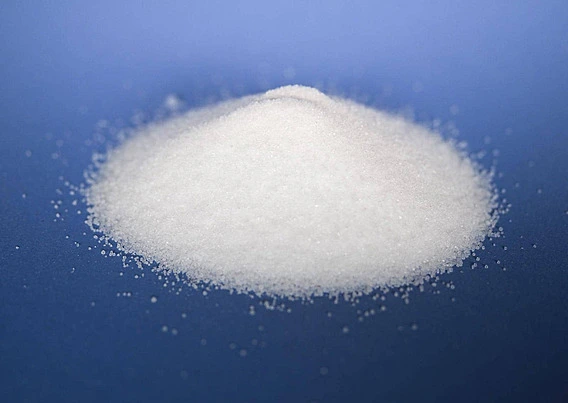
Citric Acid Monohydrate (E330)
Found this useful?