Global Chemical Recovery Outlook Points to Agrochemicals as a Key 2H 2026 Driver
Global Chemical Recovery Outlook Points to Agrochemicals as a Key 2H 2026 Driver
Industry assessments increasingly point to a gradual recovery in the global chemical sector beginning in the second half of 2026 and extending into 2027. Agrochemicals are expected to play a meaningful role in that upturn, alongside a tightening in certain commodity chemical supply balances.
Global Chemical Recovery Outlook Points to Agrochemicals as a Key 2H 2026 Driver
After an extended period of soft demand, inventory corrections and margin pressure, many chemical value chains are showing early signs of stabilization. While a broad-based rebound is not expected to arrive uniformly, several supporting factors are converging. On the supply side, disciplined operating rates, delayed capacity additions and the lingering effects of earlier disruptions are helping to tighten balances in selected commodity markets. On the demand side, agricultural markets are providing a relatively resilient source of consumption.
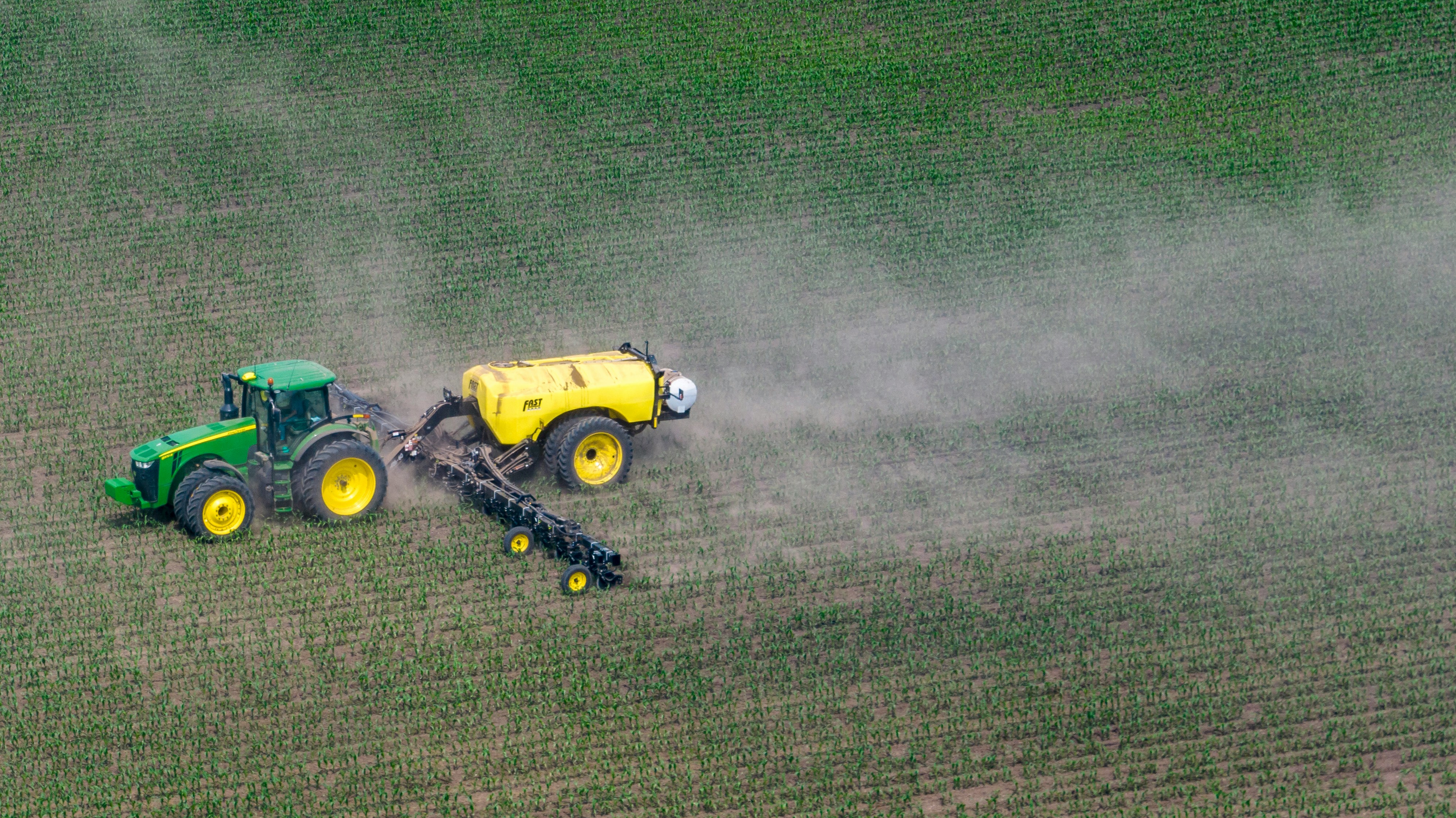
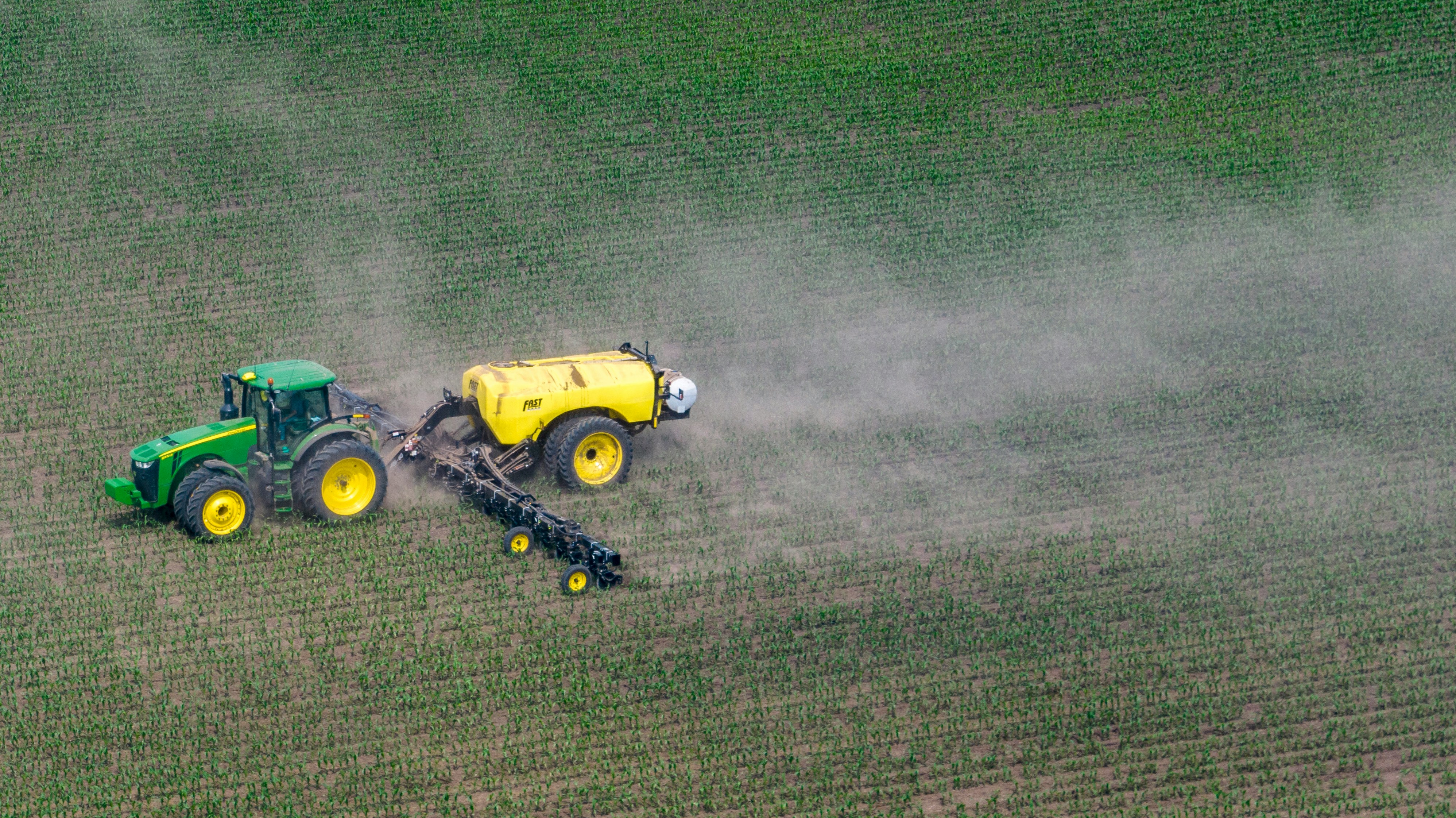
Agrochemicals stand out within this picture. Crop-protection products and related intermediates benefit from the essential nature of food production and from seasonal buying patterns that are less sensitive to industrial cycles. As planting intentions and input application decisions take shape for key growing regions, demand for herbicides, insecticides, fungicides and supporting chemicals is expected to offer steadier volume support than many industrial end markets.
Supporting Factors and Remaining Risks
The anticipated second-half improvement also rests on the assumption that major agricultural economies maintain reasonable farm economics and that extreme weather does not sharply reduce planted area or input use. At the same time, the broader chemical recovery remains vulnerable to energy-price volatility, geopolitical developments and the pace of destocking in downstream industries.
For producers and traders, the differentiation between agrochemical and industrial demand is becoming more important. Companies with exposure to crop-protection value chains may see earlier volume recovery than those reliant solely on construction, automotive or durable-goods markets. Conversely, any disappointment in agricultural demand would remove one of the more reliable near-term supports for the sector.
What to Watch in the Coming Months
Key indicators include order patterns from formulators and distributors in major agricultural markets, fertilizer and crop-protection inventory levels, and the evolution of commodity chemical operating rates. Progress on the supply-tightening side—through both planned and unplanned outages—will also influence how quickly margins can recover.
The global chemical industry’s recovery outlook for the second half of 2026 and into 2027 is measured rather than exuberant. Within that outlook, agrochemicals are positioned as one of the more dependable demand drivers. For market participants, understanding the relative strength of agricultural versus industrial end markets will be essential for navigating the next phase of the cycle.

Alkalized Dark Brown Cocoa Powder
Found this useful?