Global Chemical Supply Chain Disruptions: Trade Risks, Port Congestion, and Strategies for Resilient Sourcing
Global Chemical Supply Chain Disruptions: Trade Risks, Port Congestion, and Strategies for Resilient Sourcing
Global chemical supply chains are increasingly exposed to geopolitical tensions, shipping delays, trade restrictions, fluctuating freight rates, and disruptions at major ports. These challenges affect how chemical manufacturers, distributors, importers, and industrial buyers source raw materials and deliver finished products to customers.
Chemical supply chains are particularly sensitive to transportation disruptions because many products depend on specialized manufacturing facilities, international shipping routes, controlled handling procedures, and reliable supplies of energy and feedstocks. A delay in one part of the supply chain can affect production schedules, inventory levels, and customer commitments across multiple industries.
Recent maritime disruptions have reinforced the importance of supply chain resilience. UN Trade and Development (UNCTAD) reported in its Review of Maritime Transport 2025 that rerouting, volatile freight rates, and port disruptions were increasing uncertainty in global shipping. In 2026, further disruption around the Strait of Hormuz has highlighted the risks facing energy-intensive industries and supply chains that depend on oil, gas, and fertilizer shipments.
For chemical businesses, the priority is no longer simply finding the lowest-cost supplier. It is developing sourcing strategies that balance price, quality, availability, logistics, and continuity of supply.
Major Risks Affecting the Global Chemical Supply Chain
1. Geopolitical Tensions and Trade Restrictions
Geopolitical conflicts can interrupt shipping routes, change trade flows, and increase uncertainty around the movement of industrial chemicals. Sanctions, export controls, tariffs, and changes in trade policy may also affect supplier eligibility, product availability, and landed costs.
Chemical companies that depend heavily on a single country or manufacturing region can be particularly vulnerable. If a key supplier faces restrictions or loses access to a major shipping route, buyers may need to identify alternative sources at short notice.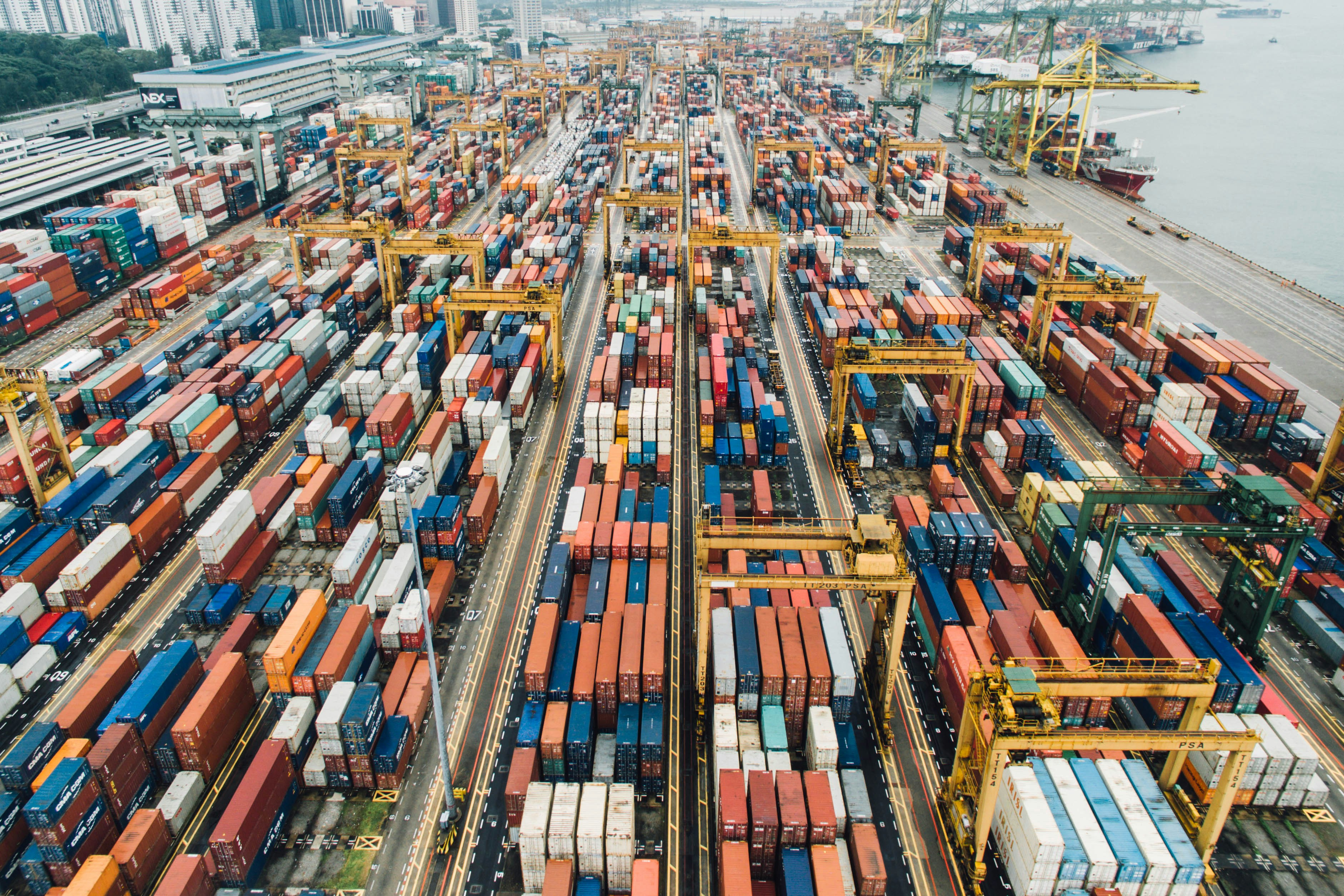
These disruptions can affect petrochemical feedstocks, solvents, polymers, specialty chemicals, and other industrial inputs. Procurement teams should therefore monitor regulatory changes and evaluate the geographic exposure of their supplier networks.
2. Port Congestion and Shipping Delays
Port congestion is another major challenge for chemical importers and exporters. Vessel bunching, labor disruptions, adverse weather, customs backlogs, and changes in shipping schedules can delay cargo handling and extend delivery times.
Chemical cargo may face additional logistical requirements depending on its classification, packaging, storage needs, and transport regulations. Dangerous goods, temperature-sensitive materials, and specialized bulk chemicals may have fewer practical routing or handling options than ordinary containerized cargo.
According to UNCTAD's 2025 maritime transport review, disruptions and vessel rerouting have placed pressure on port performance and shipping reliability. Longer routes can also reduce effective vessel capacity because ships spend more time completing each voyage.
For chemical buyers, the consequences may include delayed raw material deliveries, production interruptions, higher demurrage and detention charges, and increased inventory requirements.
3. Freight Rate Volatility and Higher Logistics Costs
Freight costs can change rapidly when shipping capacity tightens, fuel prices rise, insurance premiums increase, or carriers reroute vessels around disrupted maritime corridors.
The World Bank's 2026 logistics analysis noted that rerouting around the Cape of Good Hope had increased transit times, while geopolitical tensions in the Persian Gulf added uncertainty to shipping and insurance costs.
For chemical importers, the impact extends beyond the freight invoice. Higher transport costs can increase the total landed cost of an ingredient or raw material, reduce margins, and make previously competitive suppliers less attractive.
Businesses should evaluate the complete cost of sourcing rather than focusing only on the supplier's quoted price.
4. Dependence on Limited Suppliers and Production Regions
Many chemical products are manufactured by a relatively concentrated group of producers. Specialized chemicals may require particular technologies, production capabilities, or quality certifications, making replacement suppliers difficult to qualify quickly.
When a plant experiences an outage, a raw material becomes scarce, or exports are restricted, buyers with limited supplier options may face longer lead times and reduced negotiating power.
Supplier concentration can also create risks when several supposedly different suppliers rely on the same upstream feedstock, production region, or shipping corridor. Diversification is most effective when alternative suppliers have genuinely independent sources of supply.
5. Energy and Feedstock Price Fluctuations
The chemical industry is closely connected to energy markets because oil, natural gas, electricity, and petrochemical feedstocks are essential to many production processes.
Disruptions affecting energy transportation can therefore influence the cost and availability of chemicals. UNCTAD's March 2026 analysis of Strait of Hormuz disruptions highlighted the connection between shipping interruptions, energy markets, fertilizer trade, and wider economic risks.
Higher energy costs may flow through to the production prices of plastics, resins, solvents, fertilizers, and numerous industrial intermediates. The magnitude of the impact varies by product, production technology, region, and contract structure.
How Supply Chain Disruptions Affect Chemical Buyers
Supply chain disruptions can create several interconnected challenges for industrial procurement teams.
Production delays: Manufacturers may be forced to slow or suspend operations when critical inputs arrive late.
Higher procurement costs: Freight, insurance, storage, and emergency purchasing can increase total costs.
Inventory shortages: Unreliable deliveries can leave businesses without enough raw materials to meet demand.
Quality and compliance risks: Emergency substitutions may require additional testing, technical approval, and regulatory verification.
Contractual pressure: Delays can affect customer delivery commitments and create disputes over delivery terms.
Reduced profitability: Higher input costs and production inefficiencies can compress margins.
The severity of these effects depends on the chemical involved, its availability, the buyer's inventory position, and the time required to qualify an alternative supplier.
Strategies for More Resilient Chemical Sourcing
1. Diversify Suppliers and Sourcing Regions
Relying on a single supplier can expose a business to significant disruption. Buyers should identify and qualify alternative suppliers across different manufacturing regions where practical.
A diversified supplier network provides more options when a producer faces an outage, a port becomes congested, or trade restrictions affect a particular market.
However, diversification should go beyond maintaining a list of alternative vendors. Buyers should verify production capacity, product specifications, certifications, logistics arrangements, and the independence of each source.
2. Build Strategic Safety Stocks
Maintaining an appropriate buffer of critical chemicals can help businesses absorb temporary delivery delays. The required inventory should reflect supplier lead times, demand variability, product shelf life, storage requirements, and the consequences of a shortage.
Not every chemical should be stocked at the same level. High-priority materials with long replenishment times may justify larger buffers, while products with short shelf lives or demanding storage requirements may need a different approach.
Inventory policies should also consider safe storage limits and the specific handling requirements of hazardous or regulated materials.
3. Strengthen Supplier Risk Monitoring
Procurement teams should regularly review indicators that may signal supply problems before they affect production.
Useful indicators include:
Supplier delivery performance and lead-time changes.
Port congestion and vessel schedule reliability.
Freight rates, fuel costs, and insurance premiums.
Trade restrictions, tariffs, and sanctions.
Supplier financial stability and production capacity.
Inventory coverage and upcoming purchase requirements.
A structured supplier risk scorecard can help purchasing teams prioritize attention and trigger contingency plans when risk levels increase.
4. Improve Logistics Planning and Routing Flexibility
Businesses should work with freight forwarders, shipping partners, and customs specialists to understand alternative transport options before a disruption occurs.
Possible measures include identifying alternative ports, reviewing transshipment options, securing space with more than one carrier, and assessing multimodal routes where appropriate.
Alternative routes are not automatically cheaper or faster. Buyers should compare total transit time, cargo compatibility, customs procedures, insurance, and handling requirements before changing a shipment plan.
5. Use Long-Term Contracts Strategically
Long-term supply agreements can help secure volumes and improve planning for important chemical inputs. Depending on the terms, contracts may also establish pricing formulas, delivery schedules, quality requirements, and procedures for handling disruptions.
However, contracts should be reviewed carefully. Fixed prices may not always protect buyers when input costs change, while flexible pricing may expose them to market volatility.
Buyers should consider clear provisions for delivery delays, allocation of scarce supply, force majeure, specification changes, and communication during disruptions. Legal and commercial teams should ensure that these provisions fit the applicable jurisdiction and business requirements.
6. Strengthen Inventory and Procurement Visibility
Digital procurement systems, inventory dashboards, and supplier performance tools can help businesses identify risks earlier.
Connecting purchase orders, warehouse inventory, expected arrivals, and production requirements makes it easier to see which materials could become critical if a shipment is delayed.
Even companies without advanced supply chain software can improve visibility through standardized supplier reports, shipment tracking, shared inventory records, and regular procurement reviews.
7. Qualify Alternative Materials Carefully
When a chemical becomes unavailable, a substitute may appear to offer a quick solution. However, chemical ingredients and industrial intermediates are not always interchangeable.
Before approving an alternative, businesses should review technical specifications, compatibility, performance, safety documentation, regulatory status, and any necessary customer approvals.
For applications involving food, pharmaceuticals, water treatment, or other regulated sectors, substitution may require additional validation and documentation. Cost savings should never override quality, safety, or compliance requirements.
The Role of Chemical Distributors in Supply Chain Resilience
Chemical distributors can help manufacturers manage sourcing risks by connecting buyers with multiple producers, maintaining regional inventories, and coordinating delivery arrangements.
A reliable distributor may also provide product documentation, technical information, packaging options, and support with identifying alternative sources when a supply interruption occurs.
For buyers, distributor selection should consider more than price and product availability. Important factors include traceability, regulatory compliance, storage and handling capabilities, financial reliability, and the ability to maintain consistent product specifications.
For distributors, building resilience requires maintaining strong supplier relationships, monitoring inventory exposure, planning for logistics disruptions, and communicating realistic delivery expectations to customers.
What Chemical Procurement Teams Should Prioritize
A practical resilience program should begin with the materials most likely to disrupt operations if they become unavailable.
Businesses can start by mapping critical chemicals, identifying supplier and regional concentration, reviewing historical lead times, and estimating the operational impact of a shortage.
The next step is to assign mitigation measures to the highest-risk materials. These may include qualifying a second supplier, increasing safety stock, negotiating supply agreements, or establishing alternative logistics arrangements.
Resilience does not require eliminating every risk. It requires understanding where disruptions could cause the greatest damage and preparing workable responses before an emergency occurs.
https://www.worldbank.org/en/topic/transport/publication/cppi-2024
https://www.wto.org/english/news_e/news26_e/dgno_28may26_395_e.htm

Activated Carbon (Granular) - India
Found this useful?