Global Chemical Supply Chain Intelligence: Sourcing Risks, Logistics Costs, and Market Insights
Global chemical supply chains connect raw material producers, chemical manufacturers, distributors, logistics providers and industrial buyers across multiple countries. These networks support industries ranging from agriculture and construction to pharmaceuticals, food processing, automotive manufacturing and electronics. However, sourcing decisions have become more complex as businesses manage shifting trade policies, freight volatility, production disruptions and changing regional competitiveness.
Chemical supply chain intelligence helps companies understand these challenges before they affect purchasing costs or production schedules. By combining supplier information, trade statistics, logistics data and market trends, procurement teams can evaluate alternative sourcing regions, identify potential bottlenecks and make better-informed purchasing decisions.
For chemical importers and exporters, the objective extends beyond finding the lowest quotation. Businesses need to understand the full landed cost, confirm product quality, assess supplier reliability and maintain alternative supply options. A structured intelligence approach helps buyers balance cost efficiency with operational continuity in an increasingly interconnected market.
1. Understanding Global Chemical Supply Chain Intelligence
Chemical supply chain intelligence involves collecting and analysing information about suppliers, production capacity, trade flows, transportation conditions, market prices and regulatory requirements. It turns scattered commercial information into practical insights that procurement and supply chain teams can use when making purchasing decisions.
For example, a buyer sourcing methanol may compare supplier quotations from several regions. However, a meaningful comparison also requires information about feedstock economics, production availability, shipping schedules, port charges, import duties and delivery reliability. A supplier offering a lower price may create higher total costs if transportation takes longer or delivery commitments remain uncertain.
The same principle applies to specialty chemicals and industrial ingredients. Buyers must consider technical specifications, batch consistency, certificates of analysis, safety documentation and the availability of qualified alternatives.
Market intelligence also helps distinguish temporary price movements from structural changes. A short-term freight increase may require a purchasing adjustment, while a permanent production closure or sustained reduction in regional capacity may justify a longer-term sourcing review.
According to Deloitte's 2026 Chemical Industry Outlook, persistent overcapacity, weak demand in several end markets and uncertainty around trade policies continue to influence industry decisions. These conditions reinforce the value of monitoring supply and demand alongside procurement costs. Source: Deloitte, 2026 Chemical Industry Outlook
2. Major Sourcing Risks Affecting Chemical Buyers
Chemical sourcing risks can originate at the supplier level, within a production region or across the wider international trading system. Identifying the source of each risk helps procurement teams choose an appropriate response.
Supplier Concentration and Production Disruptions
Depending on a single supplier or production region can expose buyers to unexpected shortages. A plant shutdown, maintenance extension, equipment failure or reduction in operating rates may interrupt deliveries, particularly when alternative producers cannot quickly supply the same grade.
Concentration risk can become more serious when several downstream products depend on the same intermediate chemical. A disruption in one upstream material may affect multiple manufacturing operations.
Buyers should map critical materials to their primary producers, manufacturing locations and qualified alternatives. For essential products, maintaining a validated secondary supplier can reduce dependence on a single production source.
Geopolitical and Trade Policy Uncertainty
Geopolitical tensions, sanctions, tariffs and changing trade agreements can alter established chemical trade routes. A supplier may remain commercially competitive while becoming less attractive because of new duties, payment restrictions or compliance requirements.
Trade policy changes can also encourage buyers to shift orders between countries. However, alternative origins may have limited capacity or different technical standards, so switching suppliers requires careful evaluation.
Procurement teams should monitor official customs guidance, applicable trade restrictions and supplier-country exposure. They should also review contracts for provisions covering regulatory changes, shipment delays and unexpected cost adjustments.
Feedstock and Energy Price Volatility
Chemical production often depends heavily on natural gas, crude oil, naphtha, electricity or other industrial feedstocks. Changes in these input costs can influence production economics and supplier quotations.
The impact varies by product and production route. A producer with access to competitively priced feedstocks may maintain a cost advantage over a manufacturer operating in a region with higher energy costs.
Buyers should monitor relevant feedstock benchmarks alongside supplier offers. This approach helps procurement teams assess whether a price change reflects broader market conditions, temporary supply tightness or a supplier-specific commercial decision.
Regulatory and Quality Risks
Chemical purchases must meet applicable safety, quality and import requirements. Incomplete documentation, incorrect product classification or inconsistent specifications can cause customs delays, rejected shipments and production problems.
Before approving a supplier, buyers should verify the exact grade, purity, intended application, safety data sheet and required quality documentation. They should also establish procedures for reviewing specification changes and investigating non-conforming batches.
3. Logistics Costs and Their Impact on Procurement
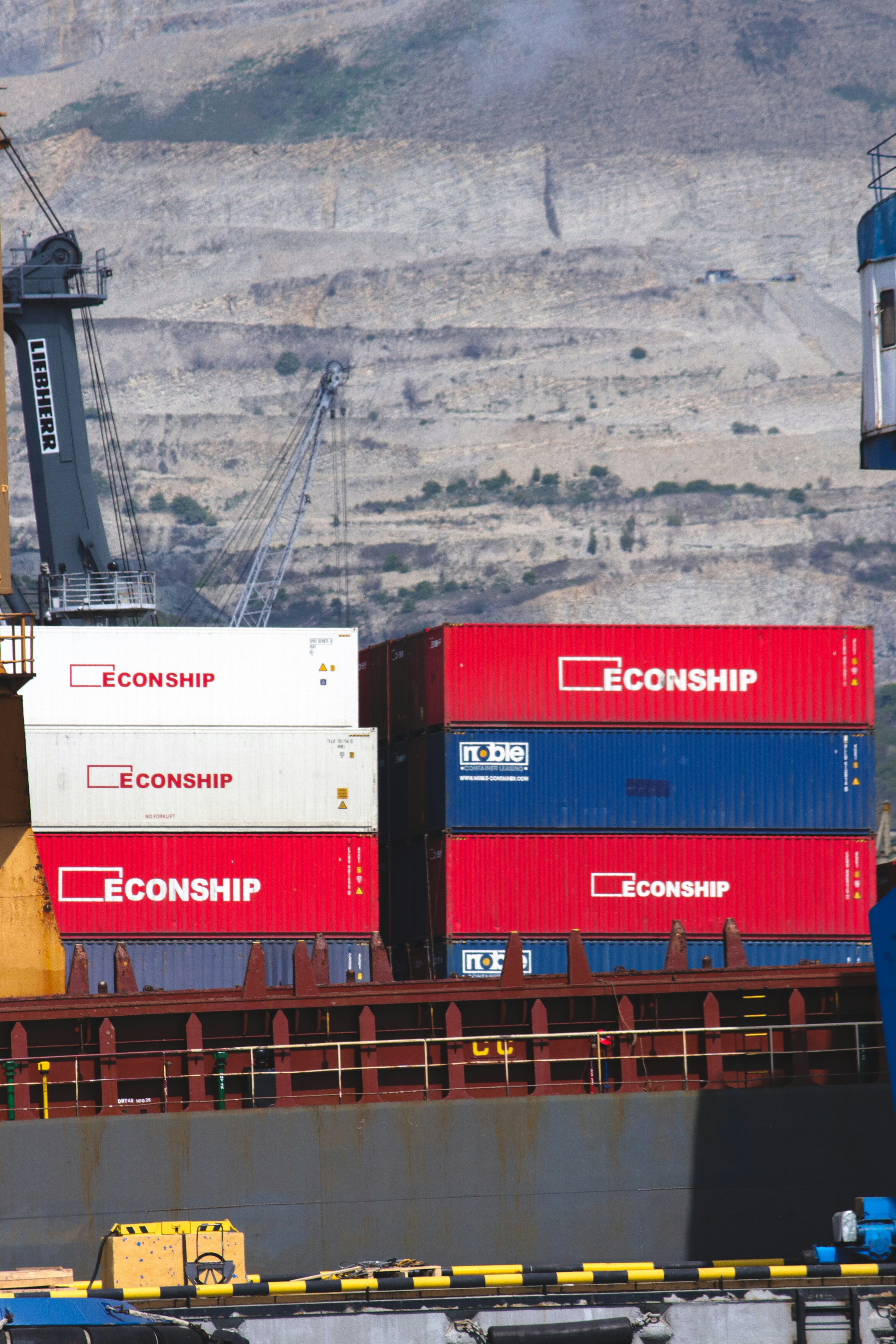
Transportation can represent a significant part of the total cost of imported chemicals, particularly when shipments require specialised containers, controlled conditions or long-distance ocean freight. Freight quotations alone do not capture every expense associated with moving a chemical from the producer to the buyer.
The United Nations Conference on Trade and Development reported in its Review of Maritime Transport 2025 that shipping costs remained volatile amid geopolitical tensions, trade policy changes and supply-demand imbalances. Rerouting around the Cape of Good Hope also increased voyage times and operating costs on affected routes. Source: UNCTAD, Review of Maritime Transport 2025
Ocean Freight and Route Selection
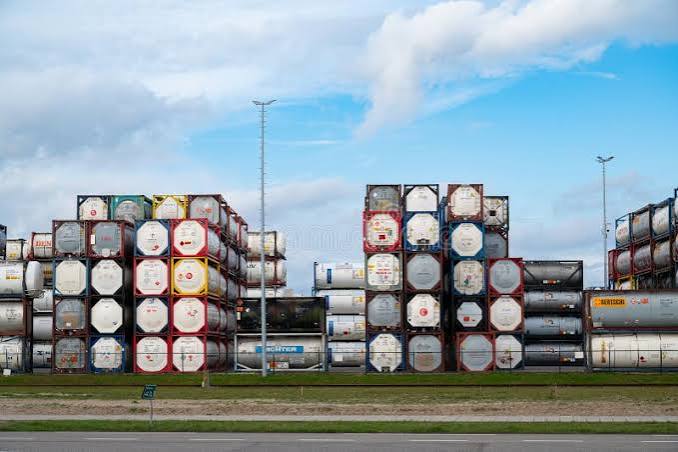
Chemical shipments may move in drums, bags, intermediate bulk containers, tank containers or specialised bulk vessels, depending on the product. Each method involves different handling requirements, capacity constraints and transport costs.
Route disruptions can extend transit times, reduce schedule reliability and increase fuel-related or operational charges. Longer journeys may also require buyers to hold more inventory to protect production schedules.
Procurement teams should compare shipping routes based on the complete commercial impact, not just the initial freight quotation. A slightly more expensive route may be preferable if it provides more reliable schedules or reduces the risk of production stoppages.
Port Charges, Handling and Storage
Additional logistics costs can include terminal handling, container detention, demurrage, warehousing, customs clearance, inspection and inland transportation. Chemical shipments may also require specialised storage or additional safety measures.
Importers should clarify which party pays each charge and who manages the shipment at every stage. Clearly defined delivery terms and documented responsibilities can reduce disputes and unexpected expenses.
Inventory and Working Capital
Longer lead times can force buyers to increase safety stock. Although additional inventory can protect production, it also ties up working capital and increases storage, insurance and handling expenses.
Businesses should balance the cost of holding inventory against the potential cost of a shortage. Critical materials with long replenishment times may justify larger buffers than readily available products sourced from multiple qualified suppliers.
4. Using Market Insights to Improve Supplier Selection
Market intelligence allows buyers to evaluate suppliers within a broader commercial context. Rather than comparing quotations in isolation, procurement teams can assess regional supply availability, trade patterns, production capacity and potential cost changes.
Analyse Trade Flows and Supplier Origins
International trade statistics can reveal which countries export a particular chemical, where demand is growing and whether sourcing is concentrated among a small number of suppliers.
The UN Comtrade Database provides merchandise trade statistics by product and trading partner. Buyers can use relevant product classifications to identify supplier countries and review historical trade patterns.
Trade data has limitations. Reported values can change because of prices, shipment volumes, currency movements or product classification differences. Buyers should therefore combine trade statistics with current supplier quotations and product-specific market information.
Compare Total Landed Cost
Total landed cost provides a more complete basis for supplier comparison. It includes the purchase price and the additional expenses required to deliver usable material to the destination.
A practical calculation should account for:
Product price and agreed commercial terms.
Ocean freight, insurance and inland transport.
Customs duties, taxes and applicable clearance charges.
Packaging, storage and specialised handling.
Financing costs, inventory requirements and expected losses from delays.
Quality inspection, testing and supplier qualification expenses.
This calculation helps buyers understand whether a supplier's initial price advantage remains attractive after all relevant costs.
Evaluate Supplier Reliability
Supplier intelligence should include production capability, export experience, delivery performance, financial stability where information is available and responsiveness to technical queries.
Buyers should also verify whether the quoted product comes directly from a manufacturer or through a distributor. Both channels can be suitable, but they may differ in stock availability, technical support, traceability and commercial flexibility.
For specialty chemicals, technical suitability should remain a core selection criterion. A lower-cost alternative should not enter production until the relevant technical team has approved its specifications and performance.
5. Digital Tools for Chemical Supply Chain Monitoring
Digital procurement tools can help companies consolidate supplier records, purchasing history, logistics information and market indicators. Centralising these records makes it easier to compare offers, track delivery performance and identify recurring supply problems.
A useful monitoring system can include supplier lead times, quotation validity, freight costs, inventory levels, order status, delivery accuracy and product quality records. Alerts can highlight delayed shipments, expiring quotations or inventory levels that approach predefined thresholds.
Predictive analytics can also help identify potential disruptions when historical purchasing data is combined with external indicators. However, forecasts depend on data quality and assumptions. Buyers should validate important alerts against supplier communications, logistics updates and market evidence.
Smaller procurement teams do not necessarily need complex software to begin. A structured supplier database, consistent quotation template and regular review of critical materials can establish a foundation for more advanced intelligence systems.
6. Building a More Resilient Chemical Supply Chain
Resilience means maintaining access to essential materials when normal supply conditions change. It does not require every company to hold excessive inventory or qualify multiple suppliers for every product. Instead, businesses should focus resources on the materials and supply routes that pose the greatest operational risk.
A practical resilience strategy includes the following actions:
Classify critical materials. Identify chemicals that could halt production or affect product quality if unavailable.
Map supply dependencies. Record primary suppliers, production origins, transport routes and upstream material dependencies.
Qualify alternative suppliers. Assess secondary sources before an emergency creates pressure to purchase from an unverified vendor.
Set risk-based inventory levels. Consider lead times, demand variability, shelf life, storage constraints and the cost of a production interruption.
Review contracts and delivery terms. Clarify responsibilities for freight, insurance, documentation, delays and unexpected charges.
Monitor market indicators. Track relevant feedstock prices, supplier announcements, trade policy changes and freight conditions.
Review performance regularly. Measure delivery reliability, quality consistency, total landed cost and responsiveness.
Deloitte's analysis of chemical plant closures highlights a further concern: when production becomes concentrated in fewer facilities, a disruption at one plant can create wider effects across connected value chains. This makes supplier mapping and contingency planning especially important for materials with limited alternatives.
What Buyers Should Do Now
Global chemical supply chain intelligence helps procurement teams move beyond price comparisons and make decisions based on supply availability, logistics exposure, supplier reliability and changing market conditions. By combining trade data with landed-cost calculations and supplier assessments, businesses can identify sourcing opportunities while reducing avoidable operational risks.
Start with the chemicals that matter most to production. Map their supplier origins, compare complete delivery costs, review lead times and identify qualified alternatives where concentration risk is high. Establish a regular process for checking market indicators and updating supplier performance records so purchasing decisions reflect current conditions rather than outdated quotations.
A disciplined approach to supply chain intelligence can help chemical buyers improve cost visibility, protect production continuity and respond more effectively to international market changes.
2-Ethyl Hexanol
Found this useful?