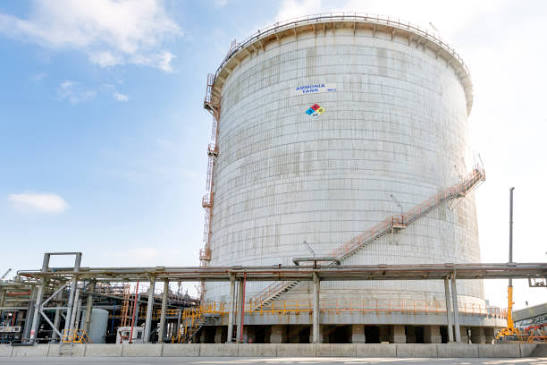
Global Refinery Runs to Decline 2.4 Million Barrels a Day in 2026
Global refinery runs are projected to decline by 2.4 million barrels a day in 2026, creating a major shift in the outlook for crude processing, refined products and petrochemical feedstocks. The IEA expects this contraction to precede a 3.1 million barrel-a-day rebound in 2027, pointing to a sharp change in refinery activity within a relatively short period.
For chemical traders, procurement managers and industrial buyers, the shift matters beyond the oil market. Refinery operating rates influence the availability and pricing of important feedstocks such as naphtha, aromatics and other hydrocarbon streams used across plastics, coatings, solvents and chemical manufacturing.
Why Global Refinery Runs Are Falling in 2026
The projected 2026 decline signals a significant reduction in crude oil processing activity worldwide. Refiners may face weaker margins, changing product demand and a market environment that encourages lower operating rates in selected regions.
A reduction of 2.4 million barrels a day in global refinery runs can affect several connected markets at once. Lower crude throughput may reduce the supply of certain refinery-linked feedstocks, even when overall crude availability remains sufficient.
The impact will not appear uniformly across every region or product category. Refinery configurations differ widely, so the effect on chemical feedstocks will depend on the types of crude processed, the products prioritized and the flexibility of individual plants.
Refinery Activity and Petrochemical Feedstock Availability
Refineries supply more than transportation fuels. Their operations also influence the availability of feedstocks that support a broad range of chemical manufacturing chains.
When refinery runs decline, buyers may pay closer attention to:
Naphtha availability, which remains important for steam crackers and the production of olefins and aromatics.
Aromatic feedstocks, which support products used in plastics, coatings, solvents and other industrial applications.
Refinery-derived intermediates, whose supply can change when plants adjust their crude processing and product yields.
Regional product balances, because lower refinery activity in one market can increase dependence on imports from another.
For procurement teams, the main issue involves supply predictability. A decline in refinery activity can create tighter conditions for some feedstocks even when other parts of the hydrocarbon market appear well supplied.
The 2027 Rebound Could Change Buying Strategies
The IEA projects a 3.1 million barrel-a-day increase in global refinery runs in 2027. This expected rebound creates a two-stage market outlook, with contraction in 2026 followed by renewed processing growth the following year.
The transition could produce different procurement conditions across the two years. Buyers may face tighter availability for selected refinery-linked feedstocks during the downturn, then encounter greater supply competition and changing price dynamics as refinery operations recover.
This makes timing increasingly important for industrial consumers. Companies that rely on consistent chemical inputs may need to align purchasing plans with expected refinery cycles rather than treating each year as an isolated market period.
What the Refinery Decline Means for Chemical Buyers
A lower global refinery run rate does not automatically mean every chemical product will become more expensive. However, it can alter the balance between domestic production, imports and alternative feedstock sources.
Procurement managers should watch how the shift affects the specific products connected to their supply chains. A buyer sourcing solvents may face a different market response from a buyer purchasing polymer raw materials or coating intermediates.
The most important considerations include:
Feedstock dependency: Products closely linked to refinery output may experience greater supply sensitivity than products with multiple production routes.
Regional exposure: Buyers dependent on one exporting region may face greater risk if local refinery operations decline sharply.
Contract structure: Long-term agreements can provide greater supply visibility during periods of changing production.
Inventory policy: Strategic stock levels may become more important when supply conditions can shift rapidly between years.
Regional Supply Chains Could Become More Important
The global nature of the refinery market does not eliminate regional differences. A decline in refinery runs can affect one market more severely than another, creating new opportunities for exporters and alternative sourcing partners.
Importers may increasingly compare supply options across different production hubs. This can create additional demand for suppliers that offer reliable documentation, consistent specifications and flexible shipment schedules.
Chemical traders can play a central role in this environment by connecting buyers with alternative origins. Strong supplier networks may become particularly valuable when a refinery-linked product faces temporary supply pressure in one region.
How Traders Can Manage Feedstock Market Volatility
The projected decline and subsequent rebound create a market environment where flexibility can become a competitive advantage. Buyers that rely on a single supplier or a single country of origin may have fewer options when refinery activity changes.
A more resilient sourcing strategy can include:
Monitoring refinery operating trends: Changes in global processing activity can provide early signals for certain feedstock markets.
Building multiple supplier relationships: Alternative origins can reduce dependence on one production region.
Reviewing product substitutes: Where technically possible, buyers can evaluate alternative grades or feedstocks before a supply disruption occurs.
Negotiating flexible delivery terms: Shipment timing can become important when market conditions change quickly.
Tracking downstream demand: Refinery output and chemical demand can move in different directions, so buyers should monitor both sides of the market.
This approach can help procurement teams avoid reacting only after prices or availability have already changed.
The Chemical Market Impact Will Depend on Product Chains
The effects of lower refinery runs will vary across the chemical sector because different products rely on different raw material pathways. Some chemicals connect directly to refinery streams while others depend more heavily on natural gas, biomass, minerals or dedicated chemical production routes.
The market response will also depend on how quickly producers adjust their operations. Manufacturers may change product yields, optimize feedstock use or increase imports to compensate for lower domestic availability.
For buyers, the key question is not simply whether refinery runs decline. The more useful question is which specific chemical supply chains depend on the affected refinery output and how quickly alternative supply can enter the market.
Procurement Priorities for 2026 and 2027
The two-year outlook gives industrial buyers a clear reason to strengthen forward planning. The 2026 decline could require closer attention to availability, while the expected 2027 rebound may create a different set of opportunities and risks.
Procurement teams should consider the following priorities:
Map refinery exposure across key products: Identify which chemicals and intermediates depend on refinery-derived feedstocks.
Review sourcing concentration: Determine whether too much volume comes from one country, supplier or production hub.
Track lead times: Longer delivery windows can increase the need for earlier purchasing decisions.
Compare global offers: International sourcing can help buyers identify more competitive or reliable supply alternatives.
Coordinate purchasing with production plans: Inventory decisions should reflect expected demand, storage capacity and the potential for market changes.
A disciplined procurement process can help buyers respond to market shifts without overcommitting to unnecessary inventory.
Looking Ahead to 2027
The expected 3.1 million barrel-a-day rebound in global refinery runs during 2027 points to a potential recovery in processing activity after the projected 2026 decline. That recovery could improve the availability of some refinery-linked feedstocks, although the market may not return to exactly the same conditions that existed before the downturn.
For chemical traders and industrial buyers, the most important opportunity lies in preparing before the market turns. Companies that monitor refinery activity, diversify sourcing and maintain strong supplier relationships will have greater flexibility as feedstock conditions evolve.
The 2026 decline in global refinery runs should therefore be viewed as more than an energy market statistic. It represents a potential shift in the supply environment for multiple chemical value chains, making early planning increasingly important for businesses that depend on stable and competitive raw material access. Ready to source refinery-linked chemicals from verified global suppliers? Explore competitive offers on our platform today.
Xylene
Found this useful?