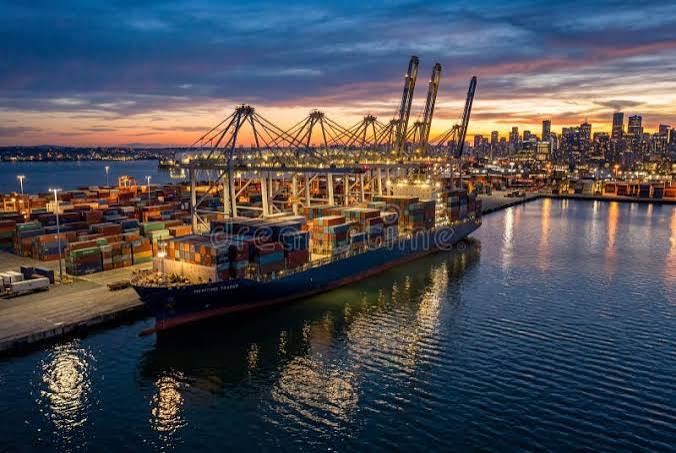
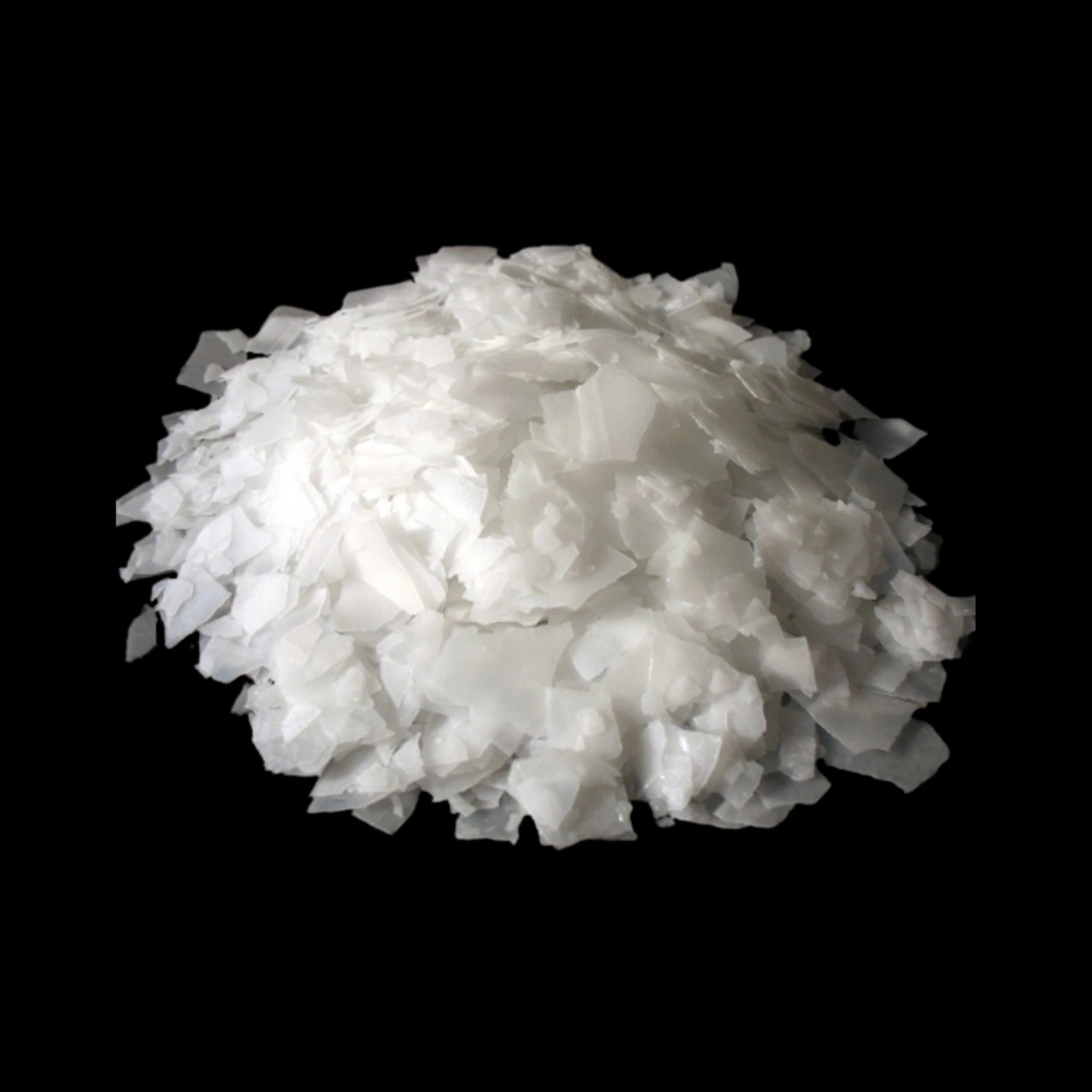
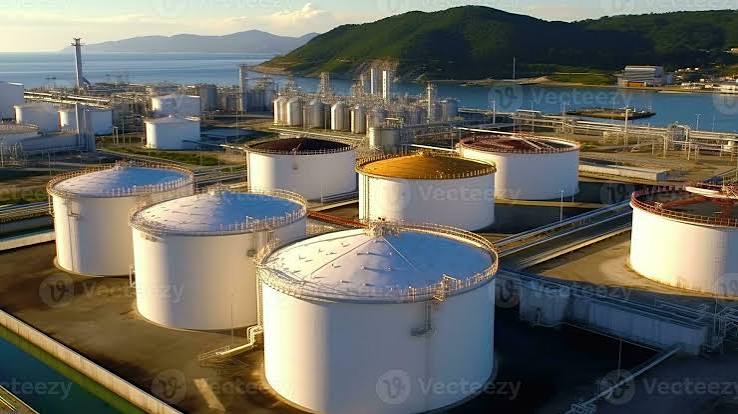
Global chemical supply chains are entering a period where logistics strategy matters almost as much as production capacity. Latin American chemical producers face changing sourcing patterns, fluctuating freight economics and new regional manufacturing strategies that are altering how materials move across borders.
Chemical logistics across the region now requires closer coordination between producers, distributors, importers and industrial buyers. Companies that once relied on established trade routes may need to reconsider supplier locations, inventory positioning and distribution networks as global trade flows continue to evolve.
Global Sourcing Is Changing Regional Chemical Trade
Latin American chemical companies traditionally depended on a combination of domestic production and imported materials. Global sourcing changes are now pushing producers and distributors to evaluate a wider range of suppliers and trade routes.
Buyers increasingly need to consider more than the quoted chemical price. Freight costs, transit times, port capacity, inventory requirements and supplier reliability can materially influence the final procurement cost.
This creates an important shift in purchasing decisions. A supplier located farther away may remain competitive when production costs are lower, while a closer supplier can become more attractive when freight rates or delivery risks rise.
Freight Costs Are Reshaping Chemical Logistics
Freight represents a major variable in international chemical trading because many products require specialized handling, controlled storage or dedicated transportation arrangements. Changes in shipping costs can therefore quickly affect the economics of imported materials.
For Latin American buyers, the impact can extend beyond ocean freight. Inland transportation from ports to manufacturing facilities can add another layer of cost and uncertainty, particularly when supply chains depend on long domestic distribution routes.
Procurement teams should monitor several logistics variables together:
Ocean freight: Changes in shipping rates can alter the delivered cost of imported chemicals even when the product price remains stable.
Port efficiency: Delays at major gateways can extend lead times and increase inventory requirements.
Inland transportation: Trucking and rail availability influence the cost of moving chemicals from ports to industrial customers.
Storage capacity: Longer transit cycles can force buyers to maintain additional safety stock.
Route flexibility: Alternative ports and suppliers can reduce dependence on a single logistics corridor.
The result is a broader definition of competitiveness. Chemical suppliers must increasingly compete on delivered reliability rather than product price alone.
Regional Manufacturing Is Creating New Supply Chain Options
Regional manufacturing strategies are also changing the logistics landscape. Chemical producers are assessing whether localized or regional production can reduce exposure to long international supply chains.
For some products, producing closer to end users can reduce transportation distances and improve delivery responsiveness. It can also provide greater control over inventory and reduce exposure to disruptions affecting international shipping routes.
This does not mean imported chemicals will disappear from Latin American markets. International suppliers remain important for products that require specialized manufacturing capabilities, competitive feedstocks or economies of scale that regional plants cannot easily match.
Instead, companies may adopt a more balanced sourcing structure that combines regional production with international suppliers. Such a model can provide flexibility when market conditions change.
Distribution Networks Are Becoming More Strategic
Chemical distribution networks play a critical role in connecting producers with industrial users across geographically diverse Latin American markets. Changes in sourcing patterns can therefore require companies to reconsider where they store products and how they serve customers.
A centralized warehouse may simplify inventory management but create longer delivery routes for distant customers. Regional warehouses can improve responsiveness but may increase storage and handling costs.
Chemical distributors need to find the right balance between these models. They must also account for product-specific storage requirements, regulatory obligations and transportation restrictions.
For producers, partnerships with established distributors can provide access to markets without requiring a complete local logistics infrastructure. For buyers, strong distribution relationships can provide another source of supply flexibility when direct imports become difficult or expensive.
Procurement Teams Need a Broader View of Landed Cost
Chemical procurement decisions often begin with the supplier's product quotation, but global logistics shifts make landed cost analysis increasingly important.
A lower ex-works or FOB price does not automatically produce the lowest procurement cost. Buyers should evaluate the complete cost structure from supplier location through final delivery.
Key questions include:
How stable is the supplier's export route?
How long does the material typically take to reach the destination market?
What freight exposure exists between the supplier and the buyer?
Does the supply route depend heavily on one port?
How much safety stock does the current lead time require?
Can another supplier provide comparable material from a different region?
This approach can reveal opportunities that a simple product-price comparison misses. It can also help procurement managers identify hidden exposure before a disruption affects production schedules.
Supply Chain Diversification Can Reduce Regional Exposure
Latin American chemical companies can strengthen resilience by avoiding excessive dependence on a single supplier, country or transportation route.
Diversification does not necessarily require replacing existing suppliers. Companies can establish qualified secondary sources while maintaining primary supplier relationships, giving procurement teams additional options during periods of freight disruption or changing market conditions.
A practical diversification strategy can include:
Qualifying suppliers from multiple geographic regions.
Developing relationships with both manufacturers and specialist distributors.
Maintaining appropriate safety stock for strategically important chemicals.
Reviewing alternative ports and inland transportation routes.
Monitoring supplier production capacity and logistics performance.
Periodically comparing direct-import economics with regional distribution options.
The objective is not to create unnecessary complexity. It is to ensure that one disruption does not remove the company's ability to source a critical chemical.
Regional Trade Networks Could Gain Importance
As companies rethink supply chain structures, regional trade networks may become increasingly important to Latin American chemical markets. Shorter routes can potentially reduce transit exposure and improve replenishment speed when suitable regional suppliers exist.
This creates opportunities for producers that can serve neighboring markets efficiently. It also creates opportunities for chemical traders that can connect regional manufacturers with buyers across multiple countries.
However, regionalization will depend on the availability of competitive production capacity. If local manufacturing costs remain significantly higher than international alternatives, buyers may continue to rely on imports despite longer logistics routes.
The strongest regional networks will therefore combine competitive production, dependable distribution and efficient transportation rather than relying on proximity alone.
What Chemical Traders Should Watch
Chemical traders operating in Latin America need to track both product markets and logistics conditions. A change in freight economics can alter the attractiveness of an origin market even when chemical fundamentals remain unchanged.
Traders should pay particular attention to:
Changes in international freight rates and route availability.
New regional manufacturing capacity.
Shifts in supplier concentration.
Port congestion and transportation bottlenecks.
Changes in customer inventory strategies.
Growing demand for alternative suppliers and distribution channels.
These signals can reveal where buyers may seek new sourcing options before the change becomes visible in conventional market data.
What Buyers Should Do Now
Latin American chemical buyers can respond to supply chain shifts by treating logistics as a core procurement variable rather than a separate operational concern. Supplier selection, freight planning and inventory management should work together when evaluating international offers.
The most resilient procurement strategies will likely combine competitive global sourcing with carefully selected regional alternatives. Buyers that understand their landed costs, qualify backup suppliers and maintain flexible logistics options can respond faster when trade conditions change.
For chemical producers and distributors, the same shift creates an opportunity to strengthen customer relationships. Companies that provide dependable supply, transparent logistics information and flexible delivery options can differentiate themselves in markets where buyers increasingly value continuity.
Global sourcing patterns will continue to evolve, but the central procurement challenge remains consistent: secure the right chemical at a competitive delivered cost while maintaining supply reliability. Companies that build logistics flexibility into their sourcing strategies will be better positioned to navigate the next phase of Latin America's chemical industry growth. Ready to source Surplus Chemicals from verified global suppliers? Explore competitive offers on our platform today.