Green Ammonia After the Ceasefire Collapse: Gulf Project Timelines Pushed Further
Green Ammonia After the Ceasefire Collapse: Gulf Project Timelines Pushed Further
Introduction
Green ammonia has emerged as one of the most promising solutions for decarbonizing the global energy, fertilizer, and chemical industries. Produced using renewable electricity and green hydrogen instead of fossil fuels, it is expected to play a critical role in reducing carbon emissions while supporting the transition to a low-carbon economy.
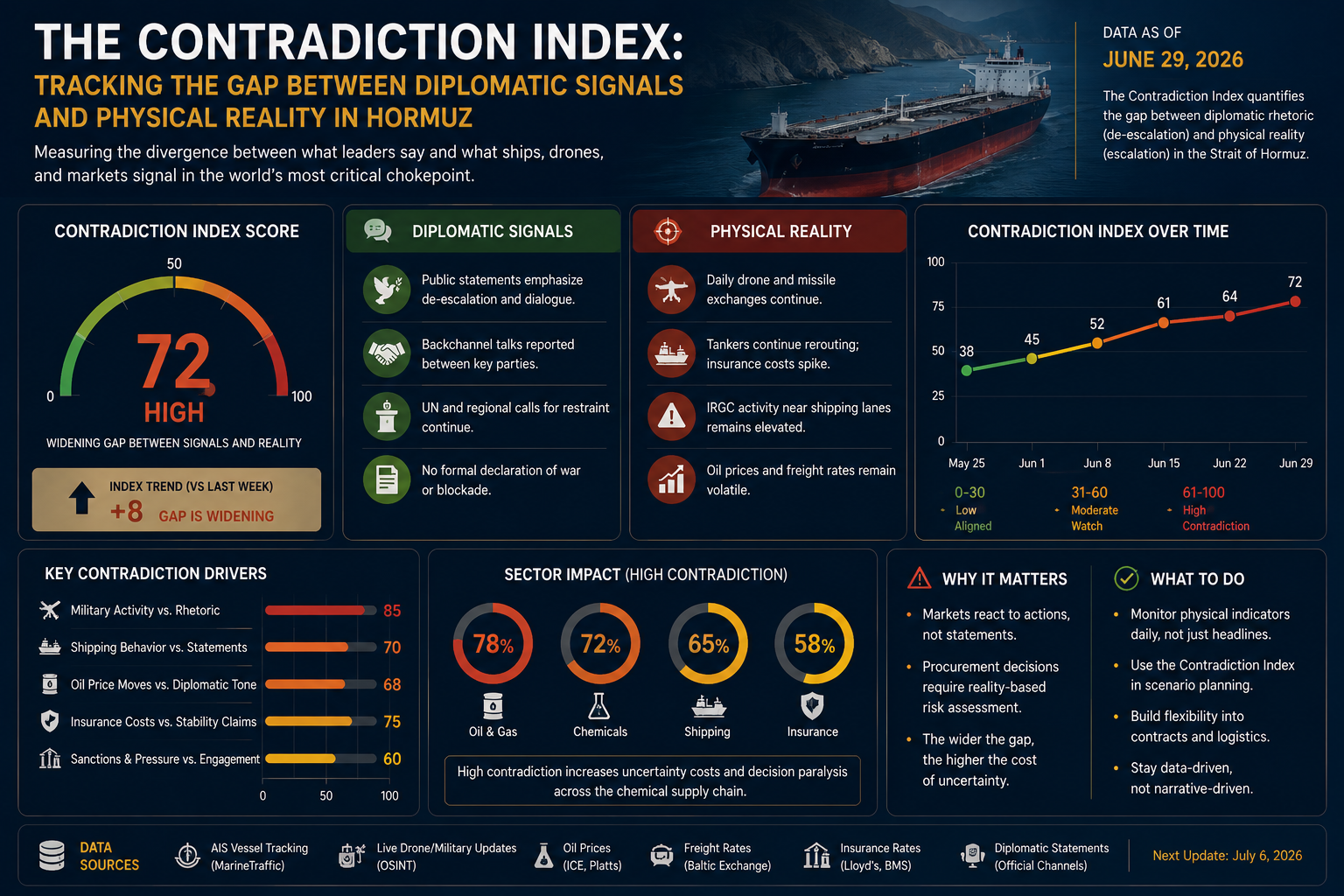
However, large-scale green ammonia projects require stable geopolitical conditions, reliable energy infrastructure, and significant long-term investment. The recent collapse of the ceasefire in the Gulf has renewed concerns about regional stability, raising questions about project timelines, financing, supply chains, and investor confidence.
While most announced projects remain strategically important, escalating geopolitical risks may delay investment decisions and project execution, affecting the future supply of low-carbon ammonia.
Why Green Ammonia Matters
Green ammonia is produced by combining hydrogen generated through water electrolysis powered by renewable electricity with nitrogen extracted from the air.
Its growing importance stems from its potential to:
Reduce emissions from fertilizer production.
Support low-carbon shipping fuels.
Enable hydrogen transportation and storage.
Supply cleaner industrial feedstocks.
Contribute to national decarbonization strategies.
As governments pursue net-zero targets, green ammonia is becoming a cornerstone of future energy systems.
The Gulf's Strategic Role
The Gulf region is expected to become one of the world's leading producers of green ammonia due to several competitive advantages.
These include:
Abundant solar and wind resources.
Existing energy infrastructure.
Strong export capabilities.
Access to global shipping routes.
Large-scale industrial experience.
Government support for clean energy investment.
Numerous projects have been announced across the region to supply both domestic markets and international customers seeking low-carbon fuels and fertilizers.
How Geopolitical Escalation Affects Project Timelines
Large industrial projects require predictable operating environments over many years.
The collapse of a ceasefire can influence project execution in several ways:
Higher Investment Risk
Investors may delay final investment decisions while evaluating geopolitical developments.
Increased Financing Costs
Higher perceived risk often leads to increased borrowing costs for capital-intensive infrastructure projects.
Supply Chain Delays
Specialized equipment, engineering materials, and construction components may experience procurement and transportation delays.
Rising Insurance Costs
Political risk and marine insurance premiums can increase overall project costs.
Contractor Availability
International engineering firms may adjust project schedules based on regional security assessments.
Although these factors do not necessarily cancel projects, they may extend development timelines and increase total project costs.
Implications for the Chemical and Fertilizer Industries
Green ammonia is expected to become an important feedstock for both the fertilizer and broader chemical sectors.
Potential delays could influence:
Long-term ammonia supply availability.
Decarbonization pathways for nitrogen fertilizers.
Hydrogen economy development.
Industrial emissions reduction targets.
Future investment in low-carbon chemicals.
Companies planning future procurement strategies may need to account for longer commercialization timelines.
Procurement Strategies During Project Delays
Procurement leaders should prepare for uncertainty while maintaining long-term sustainability objectives.
Recommended actions include:
Diversify Supply Sources
Avoid relying exclusively on future green ammonia projects by maintaining relationships with multiple suppliers across different regions.
Monitor Project Milestones
Track permitting progress, financing announcements, engineering developments, and construction schedules to anticipate future supply availability.
Review Long-Term Contracts
Evaluate contract flexibility to accommodate potential delays in project commissioning.
Strengthen Risk Assessments
Include geopolitical developments, logistics challenges, and infrastructure risks within procurement planning.
Balance Short-Term and Long-Term Objectives
Continue supporting sustainability goals while ensuring secure supply through diversified sourcing strategies.
Green Ammonia Remains a Long-Term Opportunity
Despite current geopolitical uncertainty, long-term demand for green ammonia continues to grow.
Several factors support continued investment:
Global net-zero commitments.
Growing demand for sustainable fertilizers.
Expansion of hydrogen infrastructure.
Increasing adoption of low-carbon shipping fuels.
Government incentives for clean energy projects.
Temporary project delays are unlikely to change the long-term strategic importance of green ammonia within the global energy transition.
Looking Ahead
As geopolitical conditions evolve, project developers, governments, and investors will continue balancing sustainability ambitions with operational risk management.
Future success will depend on:
Stable investment environments.
Affordable renewable electricity.
Reliable international supply chains.
Supportive regulatory frameworks.
Strategic partnerships across the energy and chemical sectors.
Organizations that maintain flexible procurement strategies while monitoring project developments will be better positioned to capitalize on future green ammonia opportunities.
Conclusion
The collapse of the ceasefire has introduced additional uncertainty for green ammonia projects across the Gulf, potentially extending development timelines and increasing investment costs. Nevertheless, the long-term fundamentals supporting green ammonia remain strong.
For procurement professionals, chemical manufacturers, and investors, the priority should be maintaining resilient sourcing strategies while preparing for the gradual expansion of low-carbon ammonia supply. Companies that combine geopolitical awareness with long-term sustainability planning will be best positioned to navigate the evolving landscape of green chemical production.
Ammonia Anhydrous
Found this useful?