Green Ammonia in Norway: Casale's Modular Plant Designed for 10% to 100% Load
A Norwegian green ammonia project at Glomfjord is designed to operate across a wide production range, from 10% to 100% load, using modular technology developed by Casale for Neptun. The operating range is significant because renewable electricity supplies can fluctuate with weather conditions, creating challenges for chemical plants traditionally designed to run continuously at relatively stable output.
For fertilizer manufacturers, chemical traders, energy buyers and procurement managers, the project illustrates how ammonia production could adapt to a power system with a higher share of renewable energy. Flexible production may help operators align electricity consumption with available power while maintaining the ability to manufacture an essential industrial chemical.
Ammonia serves as a key ingredient in nitrogen fertilizers and has potential applications as a hydrogen carrier and low-carbon fuel. Producing it with renewable electricity and appropriately sourced inputs can reduce its production-related carbon footprint compared with conventional fossil-fuel-based routes.
How Casale's Modular Green Ammonia Technology Works
Conventional ammonia production combines nitrogen from the air with hydrogen under elevated pressure and temperature in a catalytic synthesis process. Natural gas commonly supplies the hydrogen and much of the energy required by conventional plants, creating significant carbon emissions unless operators apply effective emissions-reduction measures.
Green ammonia production follows a different route. Renewable electricity powers water electrolysis, which separates water into hydrogen and oxygen, while an air separation system supplies nitrogen for ammonia synthesis.
The hydrogen and nitrogen then enter the synthesis loop, where catalysts facilitate ammonia formation. The process requires careful management of pressure, temperature, gas circulation and heat recovery to maintain efficient operation.
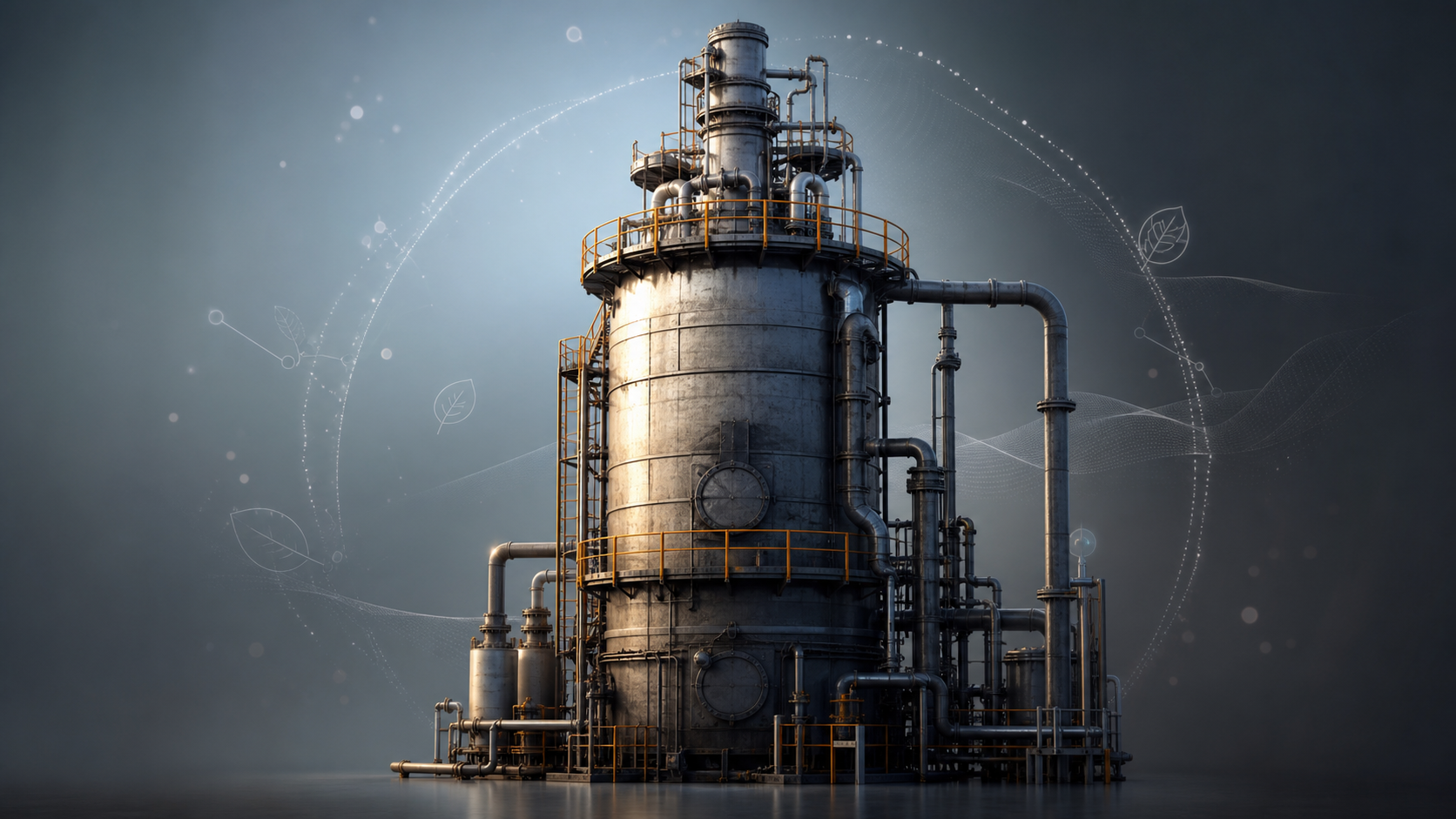
Casale's modular unit for Neptun at Glomfjord is designed to operate between 10% and 100% of its rated load. This broad operating range gives the plant greater flexibility to respond to changes in available renewable power than a system that can operate only within a narrow production window.
Modular engineering can also support the integration of equipment into a defined plant footprint. However, the commercial benefits depend on the complete system design, including electrolysis, hydrogen storage, power management and downstream ammonia handling.
Why Flexible Operation Matters for Renewable Energy
Wind and solar power output varies with weather, daylight and seasonal conditions. A chemical plant that relies heavily on renewable electricity must manage these fluctuations without compromising equipment performance, product quality or operational safety.
Traditional ammonia plants generally favor steady operation because frequent changes in production can affect energy efficiency, equipment stress and process stability. A system designed for a wider operating range can offer more options for coordinating production with power availability.
The 10% to 100% operating range specified for Casale's modular unit provides three potential advantages:
Renewable power matching: Operators can adjust production according to available electricity, reducing the need to maintain full output when renewable generation falls.
Operational flexibility: A wider load range gives plant operators more options for managing changing power conditions while keeping the synthesis process within its designed operating limits.
Energy procurement opportunities: Flexible demand may allow operators to respond to periods of lower electricity prices, subject to the plant's operating constraints and electricity contract.
These advantages do not mean the plant can switch instantly between all operating levels without restrictions. Ramp rates, minimum operating periods, startup requirements and equipment limits determine how quickly production can respond to changes in power supply.
What the Glomfjord Project Means for Low-Carbon Ammonia
Glomfjord provides an industrial setting for exploring ammonia production linked to renewable electricity. The Neptun project and Casale's modular technology demonstrate how process engineering can address one of the challenges facing low-carbon chemical production: balancing continuous industrial processes with variable power generation.
The significance extends beyond the individual plant. Ammonia producers worldwide are evaluating ways to reduce emissions while retaining the reliability required by fertilizer markets and other industrial customers.
Green ammonia projects can support several objectives:
Lower production emissions: Renewable electricity can replace fossil-based energy in hydrogen production, reducing associated emissions when the power supply and process configuration support a genuinely low-carbon pathway.
Industrial diversification: Regions with competitive renewable electricity may develop new ammonia production capacity and associated supply chains.
Flexible chemical manufacturing: Improved operating flexibility can help integrate energy-intensive processes into electricity systems with variable renewable generation.
New commercial products: Producers may supply ammonia with documented environmental attributes to buyers seeking lower-emission inputs.
The final environmental benefit depends on the electricity source, electrolyser performance, plant efficiency, equipment lifecycle and transport arrangements. Buyers should therefore evaluate verified emissions data rather than rely on the green ammonia label alone.
How Green Ammonia Could Affect Fertilizer Markets
Ammonia is a fundamental intermediate for nitrogen fertilizer production. Manufacturers use it directly in some applications and convert it into products such as urea, ammonium nitrate and ammonium phosphate fertilizers.
Conventional ammonia prices often reflect natural gas costs, plant efficiency, production availability and regional logistics. Green ammonia introduces another important variable: the cost and availability of renewable electricity.
Electricity pricing can strongly influence green hydrogen production costs because electrolysis requires substantial power input. Access to low-cost renewable electricity, efficient electrolysers and flexible operating arrangements can therefore determine whether a green ammonia project competes effectively with conventional producers.
For fertilizer buyers, the development of renewable ammonia capacity could eventually broaden sourcing options. However, green ammonia may carry a cost premium depending on production conditions, certification requirements and market demand for lower-emission products.
Procurement managers should assess whether their customers or downstream markets value lower-carbon fertilizer inputs enough to support the additional cost. Long-term purchasing agreements may become relevant where buyers require documented emissions reductions and reliable supply.
Supply Chain and Procurement Considerations for Chemical Buyers
Green ammonia procurement involves more than comparing the quoted price per tonne. Buyers need to assess the origin of the hydrogen, the electricity supply, product specifications, transportation requirements and documentation supporting any environmental claims.
Several factors deserve attention when evaluating potential suppliers:
Product quality: Confirm ammonia purity, water content and other relevant specifications required by the receiving facility or downstream process.
Production continuity: Assess how the supplier manages renewable power fluctuations, maintenance schedules and periods of reduced output.
Delivery logistics: Review storage requirements, terminal access, shipping availability and local distribution infrastructure.
Carbon documentation: Request emissions-intensity data and the relevant certification or chain-of-custody documents to substantiate low-carbon claims.
Contract structure: Examine volume flexibility, delivery tolerances, price adjustment mechanisms and provisions for supply interruptions.
Flexible production can complicate supply planning if output varies with electricity availability. Buyers should understand whether the producer uses hydrogen storage, ammonia inventory or other measures to maintain deliveries during periods of reduced renewable generation.
Chemical traders may also find opportunities to connect producers with fertilizer manufacturers and industrial consumers looking for lower-emission ammonia. Success will depend on dependable logistics, transparent documentation and the ability to meet agreed specifications.
Green Ammonia Versus Conventional Production
The main difference between green and conventional ammonia lies in the source of hydrogen and the associated energy supply. Conventional production commonly relies on natural gas reforming, while green ammonia uses hydrogen produced through electrolysis powered by renewable electricity.
Conventional plants benefit from established technology, mature supply chains and, in many regions, competitive natural gas prices. Green ammonia can reduce emissions associated with hydrogen production, but its economics depend heavily on renewable power costs, equipment investment and operating efficiency.
A flexible plant adds another dimension to the comparison. The ability to reduce or increase output may help an operator respond to electricity prices and renewable generation, but lower production can also affect fixed-cost recovery and equipment utilization.
The appropriate choice depends on a buyer's cost objectives, emissions requirements, supply security and intended application. Some customers may prioritize the lowest available ammonia price, while others may accept a premium for independently documented emissions reductions.
What Buyers Should Watch Through 2027 and Beyond
The Glomfjord project highlights a technology pathway that could become increasingly relevant as industrial companies seek to combine chemical production with variable renewable power. The key questions for buyers are whether flexible operation delivers reliable output, whether production costs remain competitive and whether suppliers can document the environmental performance of their products.
Procurement teams should monitor several developments:
Operating performance: Actual production reliability and efficiency will show how the unit performs across its designed operating range.
Renewable electricity costs: Power prices and availability will continue to shape the economics of electrolysis-based hydrogen and ammonia.
Certification frameworks: Clear standards for emissions accounting and product traceability will help buyers compare green ammonia offers.
Infrastructure development: Storage, transport and terminal capacity will influence access to ammonia from new production facilities.
Market demand: Fertilizer manufacturers and industrial consumers will determine how quickly demand for lower-carbon ammonia develops.
The wider commercial lesson is that flexible production can improve the integration of renewable energy into industrial chemistry, but flexibility alone does not guarantee low production costs or uninterrupted supply. Buyers should evaluate plant performance, product quality, delivered cost and verified emissions as part of a single procurement decision.
The Bottom Line for Green Ammonia Procurement
Casale's modular ammonia unit for Neptun at Glomfjord is designed to operate from 10% to 100% load, giving the project a way to respond to variations in renewable electricity availability. The design addresses an important challenge for low-carbon chemical manufacturing by combining ammonia synthesis with a wider operating range.
For chemical traders and fertilizer procurement managers, the project signals a potential expansion in the options available for sourcing lower-emission ammonia. Its commercial value will depend on production efficiency, electricity costs, supply reliability and the quality of environmental documentation.
Buyers should prepare by defining technical specifications, reviewing supplier certification and comparing total delivered costs against conventional ammonia. As flexible green ammonia projects develop, transparent sourcing practices will help procurement teams distinguish commercially viable offers from products that do not meet their operational or sustainability requirements.
Ammonia Anhydrous
Found this useful?