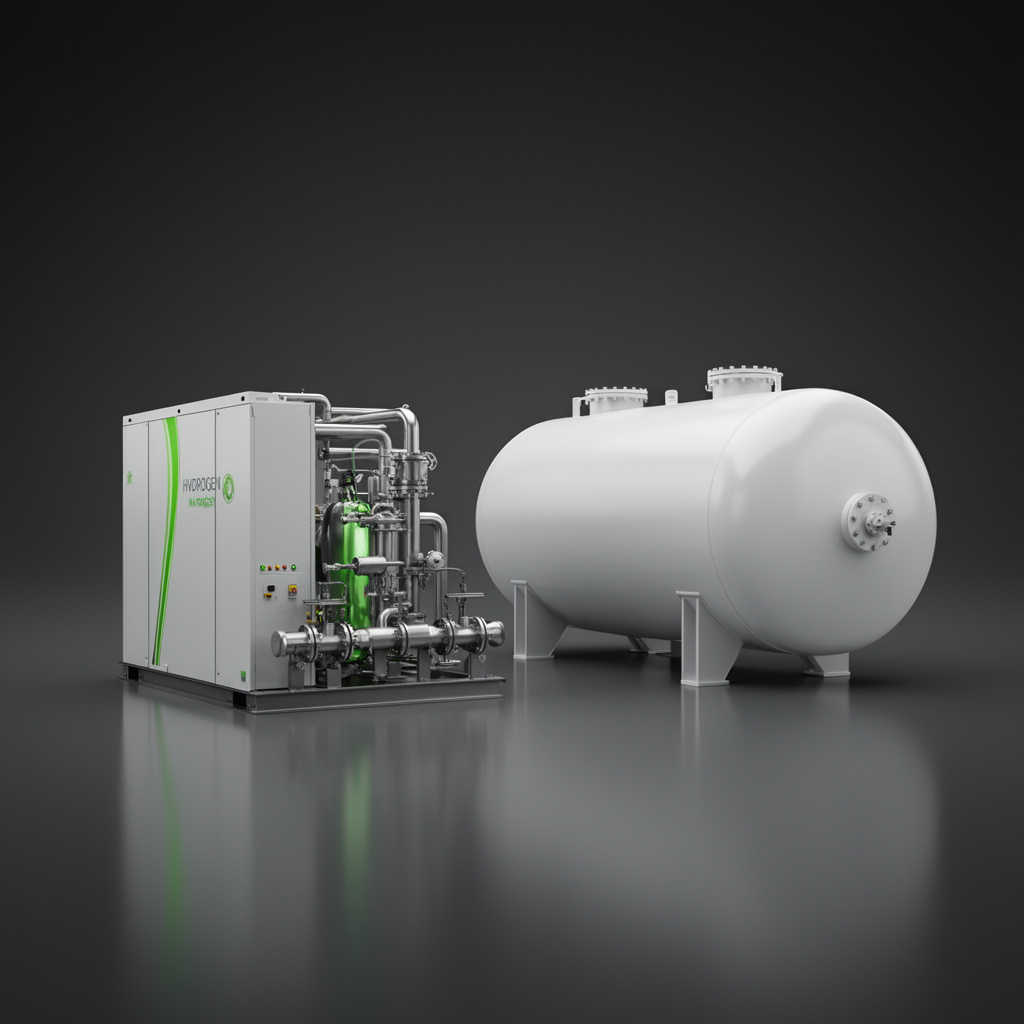
Green hydrogen continues to move from long-term ambition toward industrial implementation, and India's NextGen Chemicals & Petrochemicals Summit 2026 places that transition firmly on the industry agenda. Opening today, the summit brings together chemical industry leaders, policymakers and investors to discuss how large-scale green hydrogen projects can support the next phase of industrial growth.
Among the confirmed sessions is "Building Mega Plants in Green Hydrogen Ecosystem," highlighting the engineering, financial and regulatory challenges involved in replacing conventional grey hydrogen with low-carbon alternatives. For procurement professionals and sustainability teams, these discussions provide valuable insight into how India's future green hydrogen and green ammonia supply chain may develop.
Why Green Hydrogen Matters to the Chemical Industry
Hydrogen already serves as an essential industrial feedstock across numerous chemical processes.
Traditionally, much of this hydrogen has been produced from fossil fuels, resulting in what is commonly known as grey hydrogen. Green hydrogen, produced using renewable electricity and electrolysis, offers an alternative pathway that can support industrial decarbonisation.
For chemical manufacturers, the transition affects more than emissions reporting. It also influences long-term feedstock availability, capital investment decisions and future competitiveness.
As demand for lower-carbon chemicals increases, green hydrogen is becoming an important strategic consideration across the sector.
The Focus of the NextGen Summit
According to Indian Chemical News, one of the summit's featured discussions centers on "Building Mega Plants in Green Hydrogen Ecosystem."
The session reflects the growing recognition that moving from pilot projects to commercial-scale production requires coordinated action across industry and government.
Participants are expected to examine several key areas, including:
Engineering requirements for large-scale green hydrogen production facilities.
Financial models needed to support major capital investments.
Regulatory frameworks that encourage project development.
Infrastructure requirements for integrating hydrogen into existing chemical operations.
By addressing these topics together, the summit aims to explore practical pathways for industrial-scale deployment.
India's Chemical Industry and Green Hydrogen
India's chemical industry has been identified as a primary driver for domestic green hydrogen adoption.
This reflects the industry's substantial hydrogen demand and its potential to support early commercial deployment of large-scale projects.
Chemical manufacturers already possess extensive experience with hydrogen handling, process integration and industrial infrastructure. These capabilities may help accelerate the transition toward greener production methods as technology and investment continue developing.
For procurement professionals, this reinforces the importance of monitoring developments within India's chemical sector rather than viewing green hydrogen solely as an energy issue.
Why Green Ammonia Deserves Attention
Green ammonia has become one of the most closely watched applications of green hydrogen.
Because ammonia production depends heavily on hydrogen, greater availability of renewable hydrogen could support lower-carbon ammonia manufacturing over time.
For fertilizer producers and agricultural chemical buyers, future green ammonia capacity could influence procurement strategies, supplier selection and long-term sustainability planning.
Announcements regarding project development, investment commitments or supporting policy measures may therefore provide valuable insight into future market direction.
Why Policy Signals Matter
Industrial transformation depends on more than technology alone.
Large-scale green hydrogen projects often require supportive regulatory frameworks, infrastructure investment and financing mechanisms before commercial deployment becomes economically viable.
Because policymakers are participating in the summit alongside business leaders, sustainability professionals will closely monitor policy discussions that may influence future project development.
Even where no immediate regulatory changes occur, policy direction can shape investment confidence across the supply chain.
Implications for Scope 1 Decarbonisation
Many chemical manufacturers continue developing long-term Scope 1 emissions reduction strategies.
Replacing fossil fuel-derived hydrogen with renewable hydrogen represents one potential pathway for reducing direct operational emissions in hydrogen-intensive processes.
As companies evaluate future decarbonisation options, developments in India's green hydrogen ecosystem may influence assumptions regarding technology availability, supplier capability and implementation timelines.
For sustainability teams, monitoring these developments supports more informed long-term planning.
What Procurement Teams Should Watch
Procurement professionals following green hydrogen developments should pay particular attention to announcements that may affect future supply availability.
Areas worth monitoring include:
New green ammonia production commitments.
Large-scale green hydrogen investment announcements.
Infrastructure development supporting industrial hydrogen supply.
Government policy signals encouraging commercial deployment.
Partnerships between chemical manufacturers, technology providers and investors.
These developments can provide early indications of how India's low-carbon chemical supply chain may evolve over the coming years.
Looking Ahead for Sustainable Chemical Production
India's NextGen Chemicals & Petrochemicals Summit demonstrates that green hydrogen has become a strategic priority rather than a niche technology discussion. Bringing together industry leaders, policymakers and investors reflects the growing recognition that industrial decarbonisation requires coordinated action across technology, regulation and finance.
For procurement professionals and sustainability teams, the summit offers an opportunity to monitor early signals that could shape future green hydrogen and green ammonia availability. Following these developments today will help companies prepare for tomorrow's lower-carbon chemical supply chains.
Ready to source green hydrogen-related chemical products from verified global suppliers? Explore competitive offers on our platform today.