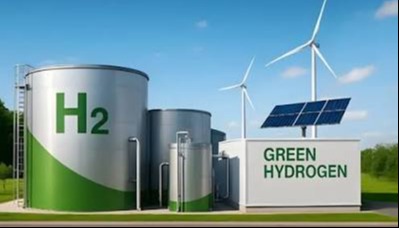
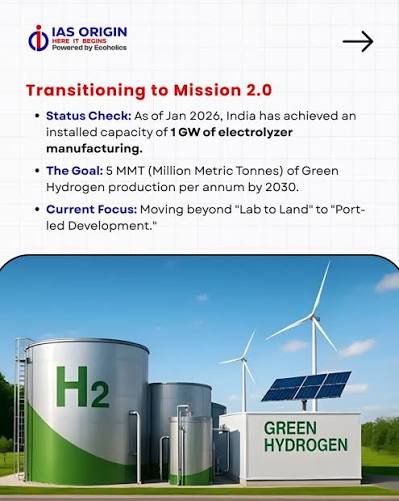
The transition from conventional hydrogen to Green hydrogen has become one of the defining challenges in industrial decarbonisation. While advances in electrolysis technology and renewable electricity continue to improve the technical feasibility of large-scale green hydrogen production, commercial deployment has progressed more slowly than many early forecasts anticipated. A recent CEO Alliance white paper, highlighted in ChemXplore's July industry coverage, identified several structural barriers that continue to limit investment: fragmented regulatory frameworks, high renewable electricity costs, uncertain demand, and insufficient financing conditions for large-scale projects. Among these challenges, demand certainty stands out because it is the factor most directly influenced by industrial buyers. For procurement professionals in chemicals, fertilizers, refining, steel, and other energy-intensive industries, purchasing decisions increasingly shape not only supply chains but also whether new green hydrogen projects reach financial close. Understanding the concept of bankable demand is therefore becoming as important as understanding the technical aspects of hydrogen production itself.
Green hydrogen projects require substantial upfront investment in renewable power generation, electrolyser capacity, storage, and supporting infrastructure. Before lenders provide long-term financing, they typically seek confidence that the project will generate stable future revenue. This is where bankable demand becomes critical. Rather than relying solely on future spot market sales, project developers look for long-term offtake agreements with financially credible industrial customers willing to purchase defined volumes over several years. Such agreements provide predictable cash flow, reduce commercial uncertainty, and improve the ability of developers to secure debt financing on competitive terms. The CEO Alliance has therefore identified bankable demand as one of the most effective mechanisms for accelerating investment alongside simpler policy support, lower financing risk, and expanded cross-border infrastructure. In practical terms, a purchase commitment from a large industrial consumer may have as much influence on project viability as technological improvements or government incentives because it demonstrates that real commercial demand exists beyond pilot-scale deployment.
Why Procurement Teams Have a Strategic Role in Scaling Green Hydrogen
For procurement professionals, this represents a significant shift from traditional purchasing practices. Historically, procurement focused primarily on securing competitive pricing and reliable supply once production capacity already existed. In emerging low-carbon markets, however, procurement decisions can actively influence whether new production capacity is built. Companies operating in sectors such as chemical manufacturing, fertilizer production, steelmaking, refining, and heavy industry increasingly have the opportunity to support project development through long-term purchasing commitments. These agreements provide developers with the confidence required to invest while allowing buyers to establish strategic relationships with future suppliers. Although entering long-term offtake arrangements requires careful commercial evaluation, they can also create advantages by improving supply visibility and supporting corporate decarbonisation objectives. As more industries seek lower-carbon feedstocks, competition for available green hydrogen production is expected to increase alongside expanding demand.
This dynamic creates a potential first-mover advantage for organisations prepared to engage early with the market. Buyers that establish long-term partnerships during the current development phase may be better positioned to receive early production allocation as commercial capacity expands. They may also benefit from closer collaboration with suppliers on product specifications, infrastructure planning, and future capacity expansion. While pricing outcomes will depend on project economics, regional energy costs, and market conditions, early commercial engagement can strengthen long-term supply security at a time when global demand for low-carbon hydrogen and Green ammonia is expected to grow. Procurement teams should therefore evaluate green hydrogen not simply as another commodity purchase but as part of a broader strategic sourcing programme that balances commercial competitiveness, supply resilience, and sustainability objectives. The concept of bankable demand demonstrates that industrial buyers are no longer passive participants in the energy transition—they are increasingly catalysts for investment. By understanding how purchasing commitments influence project finance, procurement professionals can contribute directly to the development of the low-carbon chemical value chains that will support industrial manufacturing in the decades ahead.
Looking for low-carbon chemical procurement intelligence or green hydrogen market insights? Understanding bankable demand and long-term offtake agreements helps procurement professionals support project development while positioning their organisations for future low-carbon supply opportunities.