Grid-Scale Energy Storage Need Has "Never Been Greater," CEP Reports
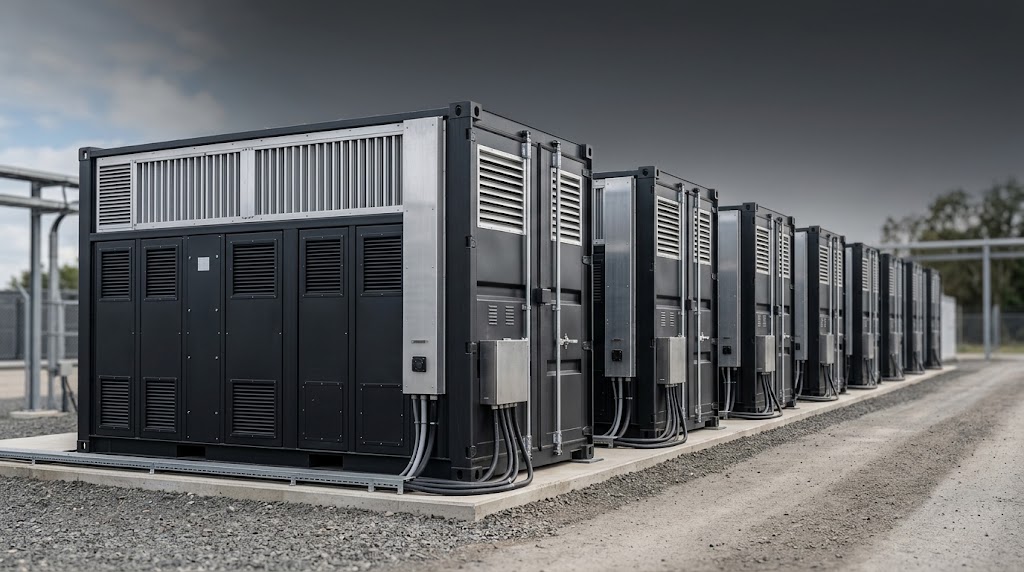
The need for grid-scale energy storage has never been greater according to AIChE’s CEP magazine. Utilities manufacturers and industrial facilities are rapidly deploying energy storage installations across the chemical process industries. This surge reflects a critical shift in how chemical plants manage power reliability and cost. The transition away from fossil-fuel baseload power requires robust buffering capabilities. Chemical production demands uninterrupted energy flows to maintain safety and quality. Any disruption can lead to hazardous conditions or costly shutdowns. Integrating large-scale storage solutions is no longer optional but essential for operational continuity. Procurement managers must understand how this infrastructure change affects supplier capabilities. Facilities with advanced storage systems offer greater stability and sustainability. Buyers who recognize this trend can secure more resilient supply partnerships.
The Critical Role of Storage in Chemical Manufacturing
Chemical processes are inherently energy-intensive and sensitive to power fluctuations. Reactors distillation columns and compressors require stable voltage and frequency. Traditional grids provided this stability through constant fossil-fuel generation. Renewable sources like wind and solar introduce variability that threatens process integrity.
Grid-scale energy storage acts as a buffer against these fluctuations. It stores excess energy during peak generation and releases it during lulls. This smoothing effect allows chemical plants to operate safely on renewable power. Without such systems facilities face frequent trips and potential equipment damage. The technology enables the decarbonization of heavy industry without compromising reliability.
Peak shaving reduces electricity costs by avoiding high-demand charges from utilities.
Backup power ensures critical safety systems remain operational during grid outages.
Frequency regulation helps stabilize the local grid benefiting both the plant and the community.
Procurement teams should evaluate suppliers based on their energy infrastructure. Plants with integrated storage are better positioned to handle future energy market volatility. This capability translates to consistent production schedules and reliable deliveries.
Deployment Trends Across the Chemical Sector
Adoption of energy storage is accelerating across various chemical segments. Basic chemical producers face the highest energy costs and thus the strongest incentive to invest. Specialty chemical manufacturers are also joining the trend to meet corporate sustainability goals.
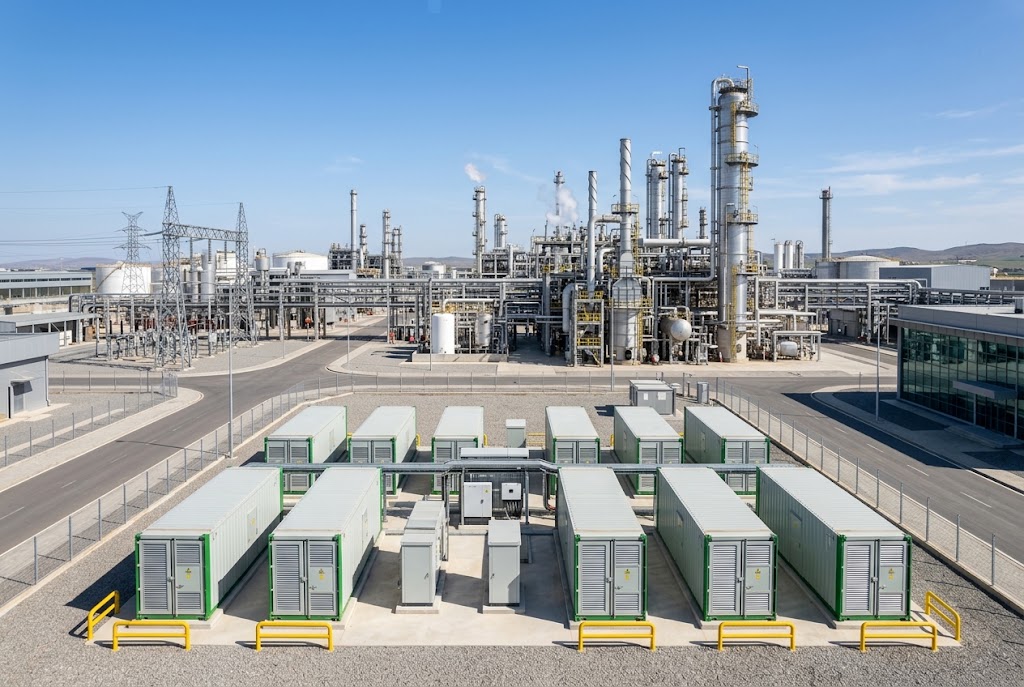
Large multinational corporations are leading the way with pilot projects and full-scale deployments. These installations range from lithium-ion battery arrays to thermal storage systems. Each technology offers distinct advantages depending on the specific process requirements.
Lithium-ion batteries provide rapid response times ideal for frequency regulation and short-term backup.
Flow batteries offer long-duration storage suitable for shifting solar power to night shifts.
Thermal storage captures waste heat for later use in steam-intensive processes like cracking.
The diversity of solutions allows facilities to tailor systems to their unique needs. Procurement professionals should inquire about the specific storage technologies used by their suppliers. Understanding these choices provides insight into operational resilience and cost structures.
Impact on Supply Chain Reliability and Cost
Energy storage integration directly influences supply chain dynamics. Facilities with reliable power sources experience fewer unplanned outages. This stability ensures consistent product availability for buyers. In contrast plants relying solely on unstable grids face higher disruption risks.
Cost structures are also evolving. While initial capital investment is high operational savings can be significant. Lower energy bills and reduced maintenance from smoother operations improve margins. These savings may be passed on to buyers in the form of stable pricing.
Reduced volatility in energy costs allows for more predictable long-term contracts.
Improved efficiency leads to lower per-unit production costs over time.
Enhanced reputation as a sustainable supplier attracts premium customers and investors.
Buyers should consider total cost of ownership when evaluating suppliers. A slightly higher unit price from a stable sustainable source may offer better value than a cheaper unstable alternative. Risk mitigation is a key component of modern procurement strategy.
Regulatory Drivers and Incentives
Government policies are major accelerators for energy storage adoption. Carbon pricing mechanisms make fossil-fuel power increasingly expensive. Renewable energy mandates require utilities and large consumers to source green power.
Tax credits and grants specifically target energy storage installations. These incentives lower the barrier to entry for chemical manufacturers. Regulations regarding grid stability also encourage industrial participation in demand response programs.
Investment Tax Credits offset a significant portion of capital expenditure for storage systems.
Carbon Border Adjustment Mechanisms favor low-carbon production methods in international trade.
Grid Service Payments provide revenue streams for facilities that support grid stability.
Procurement teams must stay informed about these regulatory developments. They affect the competitiveness of suppliers in different regions. Facilities in jurisdictions with strong incentives may gain a cost advantage. This geographic disparity influences global sourcing decisions.
Challenges in Implementation and Integration
Despite the benefits implementing grid-scale storage presents challenges. High upfront costs remain a barrier for smaller manufacturers. Technical integration with legacy control systems requires specialized expertise.
Safety concerns regarding battery fires and thermal management are paramount. Chemical plants already handle hazardous materials adding complexity to risk assessments. Regulatory standards for industrial storage are still evolving creating uncertainty.
Space constraints limit where large storage units can be installed within existing footprints.
Skilled labor shortages hinder the maintenance and operation of advanced storage systems.
Supply chain bottlenecks for battery components can delay project timelines.
Buyers should assess how suppliers manage these challenges. Ask about their safety protocols maintenance strategies and contingency plans. Suppliers who proactively address these issues demonstrate operational maturity. This diligence helps identify reliable long-term partners.
Strategic Sourcing in an Energy-Transition Era
The rise of grid-scale energy storage reshapes the chemical supply landscape. Procurement teams must adapt their strategies to prioritize energy resilience. Diversifying suppliers based on their energy infrastructure reduces risk.
Engage with suppliers to understand their energy transition roadmaps. Those investing in storage and renewables are likely to be more stable and sustainable. Support these partners through long-term contracts and collaborative planning.
Evaluate energy metrics alongside traditional quality and delivery performance indicators.
Prioritize suppliers with verified renewable energy usage and storage capabilities.
Collaborate on innovation to develop new low-carbon chemical products and processes.
Building a resilient supply chain requires looking beyond immediate costs. Energy security is now a critical component of supply security. Buyers who align with this trend will thrive in the evolving market.
The Bottom Line for Chemical Buyers
The unprecedented demand for grid-scale energy storage signals a fundamental shift in chemical manufacturing. It enables the transition to renewable power while maintaining operational reliability. Procurement teams must recognize the strategic importance of this infrastructure.
Suppliers with integrated storage systems offer greater stability and sustainability. Evaluating these capabilities is essential for robust sourcing strategies. The future of chemical production is electric stored and resilient. Aligning procurement with this reality ensures long-term success.
Ready to source chemicals from verified global suppliers? Explore competitive offers on our platform today.
Calcium Carbonate (Feed Grade)
Found this useful?