Gulf Clean Fuel Delays: How the Hormuz Crisis Slowed the Region's Pipeline and What It Means for Chemical Trade
The Gulf clean fuel market entered 2026 with ambitious expansion plans, yet project timelines have shifted as geopolitical tensions changed investment priorities. The Hormuz crisis has forced governments, energy producers and chemical companies to review construction schedules, logistics and sourcing strategies for major clean fuel developments.
The World Economic Forum's Global Risks Report 2026 identifies geoeconomic confrontation as one of the strongest forces shaping industrial policy. As countries increasingly treat energy and chemical supply security as a strategic priority, procurement teams now face a more complex environment where project timing matters just as much as pricing.
Why Gulf Clean Fuel Projects Matter
Clean fuel investments across the Gulf support much more than domestic energy production. They also strengthen regional exports of fuels, petrochemicals and chemical feedstocks while improving refinery efficiency and lowering emissions.
Large integrated projects typically include:
Advanced refining units that produce cleaner transportation fuels while improving product quality for export markets.
Hydrogen and low carbon fuel facilities that support industrial decarbonisation strategies across multiple sectors.
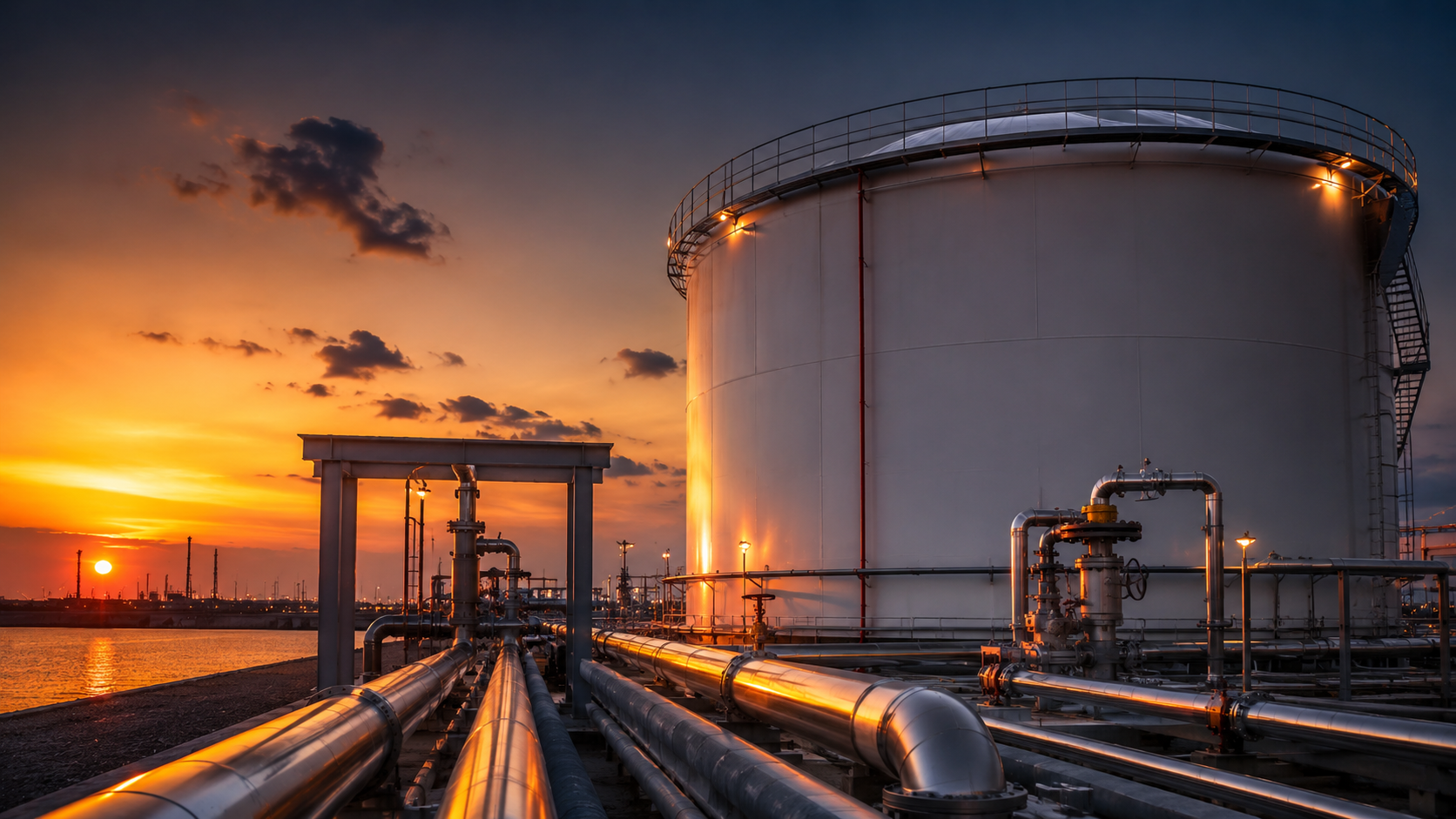
Modern storage terminals and export infrastructure that improve regional trade flexibility.
For chemical buyers, these investments influence the long term availability of feedstocks, transportation capacity and supply reliability.
How the Hormuz Crisis Changed Investment Priorities
The Hormuz corridor remains one of the world's most important energy trade routes. Any disruption or perceived risk quickly affects shipping schedules, insurance costs and capital investment decisions.
Instead of accelerating every planned project, many developers have adopted a phased approach. Companies now evaluate geopolitical exposure alongside engineering readiness and commercial returns before approving new construction stages.
Several factors explain these delays:
Higher financing costs for projects operating in regions facing elevated geopolitical uncertainty.
Greater attention to infrastructure resilience, including storage capacity and alternative export routes.
Procurement reviews that prioritise equipment availability and supplier diversification before construction proceeds.
These adjustments do not necessarily reduce long term investment. Instead, they spread development over a longer timeline.
Chemical Supply Chains Feel the Impact
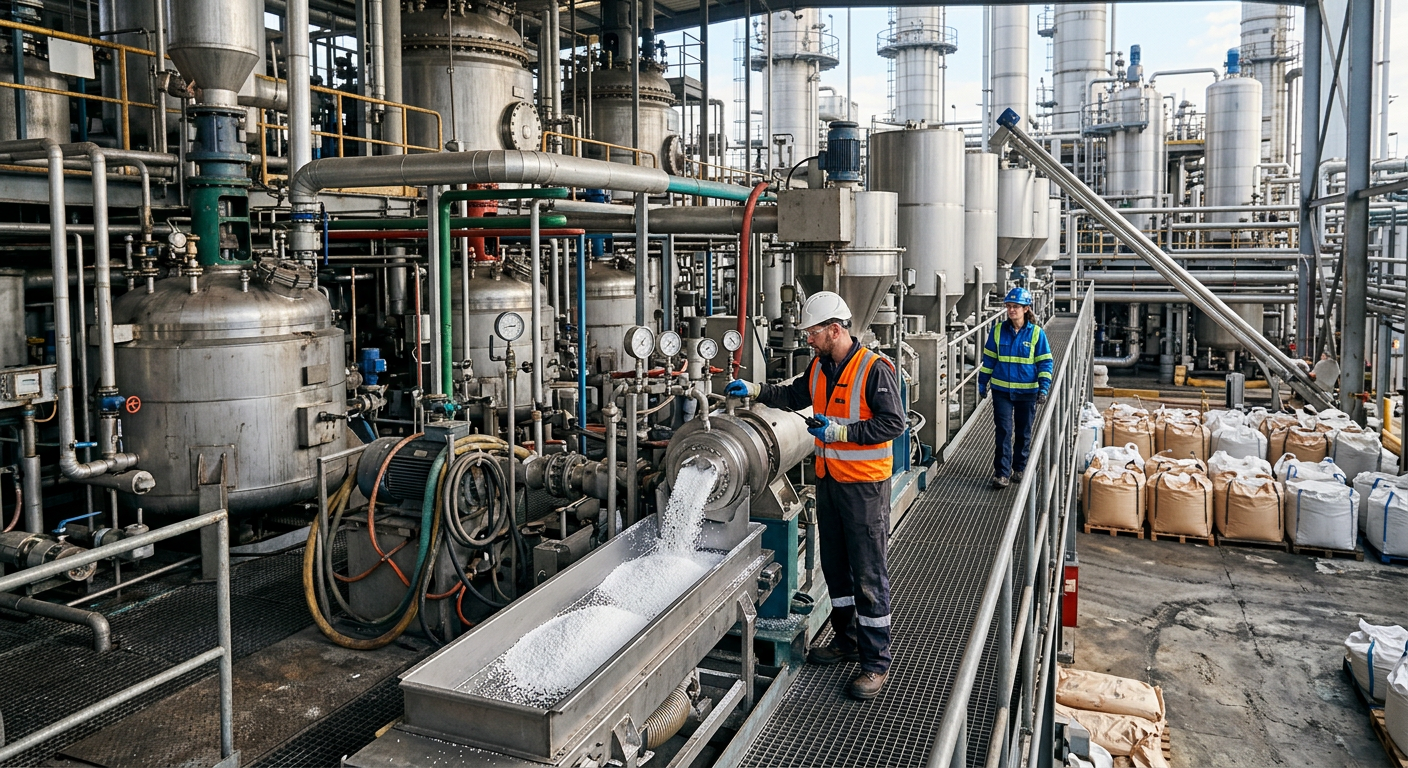
Clean fuel facilities depend on extensive chemical inputs throughout construction and operation. Delays therefore affect a broad network of manufacturers, distributors and international traders.
Important products include methanol, industrial acids, catalysts, specialty solvents and water treatment chemicals used during commissioning and daily operations.
Procurement managers should also expect changes in demand for:
Industrial cleaning chemicals required before equipment enters commercial service.
Water treatment products supporting cooling systems and process water quality.
Construction chemicals used during infrastructure development.
Process chemicals needed once production begins.
Changing project schedules can shift purchasing volumes between quarters, creating temporary fluctuations in regional demand.
Regional Trade Flows Are Becoming More Diverse
Rather than depending on a limited number of supply routes, Gulf producers increasingly seek greater logistical flexibility.
Many companies now evaluate:
Additional port infrastructure that reduces dependence on individual export corridors.
Regional warehousing that improves inventory availability during transportation disruptions.
Multiple international suppliers for critical chemical inputs instead of relying on single source procurement.
These strategies increase operational resilience while reducing exposure to unexpected shipping interruptions.
Procurement Teams Face New Sourcing Challenges
Project delays rarely eliminate demand. They simply change when products are purchased.
This creates several procurement challenges.
Forecast accuracy becomes more important. Buyers need flexible purchasing plans that accommodate changing construction schedules without creating unnecessary inventory.
Supplier diversity gains value. Companies that maintain relationships across several producing regions reduce their dependence on a single logistics corridor.
Contract flexibility becomes a competitive advantage. Purchase agreements with adaptable delivery schedules help buyers respond more effectively when projects shift.
Compliance and Industrial Policy Are Moving Together
The Global Risks Report 2026 highlights how governments increasingly connect industrial competitiveness with supply security. This trend extends beyond energy production into chemical manufacturing and strategic raw materials.
As a result, procurement decisions increasingly consider factors beyond price.
Companies now evaluate:
Supply chain resilience.
Country of origin.
Long term supplier stability.
Regulatory compliance.
Strategic inventory planning.
This broader assessment helps organisations reduce operational risk while supporting long term production goals.
Market Outlook for Gulf Clean Fuel Investment
Current delays should not be interpreted as declining interest in clean fuels. Most Gulf economies continue investing heavily in refinery upgrades, hydrogen production and lower emission industrial infrastructure.
Several long term drivers remain intact.
Growing global demand for cleaner transportation fuels continues to support investment.
Industrial decarbonisation policies encourage expansion of cleaner production technologies.
Population growth and industrial development across Asia and the Middle East continue increasing regional energy demand.
For chemical traders, these trends suggest that demand may shift over time rather than disappear altogether.
What Global Chemical Traders Should Monitor
Successful sourcing in this environment depends on monitoring both market fundamentals and geopolitical developments.
Priority areas include:
Construction milestones for major Gulf clean fuel facilities because they directly influence chemical purchasing activity.
Shipping capacity through regional trade routes since transportation costs affect delivered chemical prices.
Feedstock availability across refining and petrochemical operations that support downstream manufacturing.
Government industrial policies encouraging strategic investment in energy security and critical chemicals.
Companies that react quickly to these signals often gain stronger negotiating positions and improve procurement efficiency.
The Bottom Line for Procurement Teams
The Hormuz crisis has demonstrated that geopolitical events can reshape industrial investment schedules without changing long term market direction. Gulf clean fuel projects remain strategically important, but developers now place greater emphasis on resilience, diversified sourcing and careful capital allocation.
For buyers, this environment rewards preparation rather than speculation. Flexible sourcing strategies, reliable supplier networks and close monitoring of regional developments will help organisations manage uncertainty while remaining ready for future growth opportunities.
Ready to source Gulf clean fuel related chemicals from verified global suppliers? Explore competitive offers on our platform today.

Methanol
Found this useful?