HDPE Exports From China Jump From 40,000 to 270,000 Tonnes in Two Months
Global polyethylene markets are absorbing an unprecedented volume shock as Chinese exporters dramatically accelerated outbound shipments in early 2026. Chinese HDPE exports stood at around 40,000 tonnes up to February before jumping to about 95,000 tonnes in March and reaching approximately 270,000 tonnes in April according to preliminary trade data. This explosive growth represents nearly a sevenfold increase in just sixty days and signals a fundamental shift in global supply dynamics.
Traders and procurement managers recognize this surge as more than seasonal variation or temporary arbitrage. The sheer scale of these volumes indicates that Chinese producers have structurally reoriented their sales strategies toward international markets to absorb persistent domestic oversupply. This redirection of material permanently alters competitive balances across every major importing region.
The following sections examine the drivers behind this export explosion and outline strategic responses for market participants. Understanding these new flow patterns is essential for navigating the remainder of 2026.
Domestic Oversupply Forces Export Reorientation
Chinese HDPE capacity expanded significantly over the past three years with multiple world-scale facilities reaching full commercial operation. These additions coincided with a prolonged downturn in domestic construction and infrastructure spending that traditionally consumed pipe and profile extrusion grades.
Local converters reduced purchasing rates and maintained minimal inventories as end-demand failed to meet producer expectations. Storage facilities at major petrochemical complexes filled to capacity forcing operators to seek outlets beyond traditional domestic channels.
Management teams made the strategic decision to aggressively price surplus material for export rather than curtail production. Maintaining high operating rates preserved unit economics even as realized prices fell below domestic benchmarks.
This structural surplus cannot be resolved through short-term demand recovery alone. The capacity base now exceeds sustainable domestic consumption requiring permanent export channels to balance the market.
The Mechanics of the Volume Surge
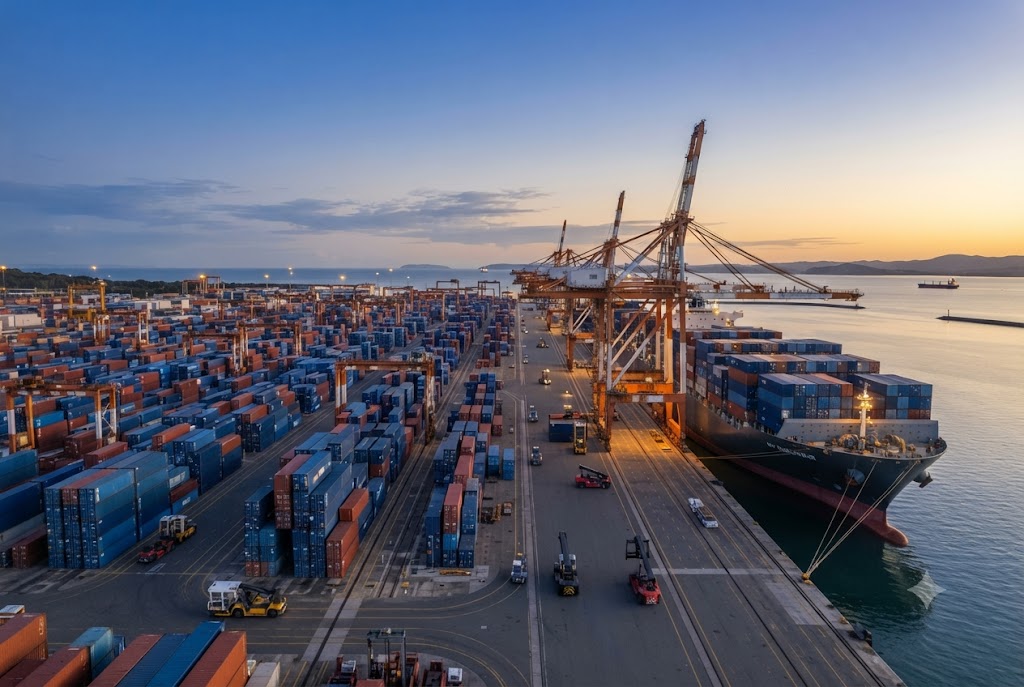
The jump from 40,000 to 270,000 tonnes required massive logistical coordination across ports, warehouses and shipping lines. Chinese exporters chartered significant container and bulk vessel capacity to move this incremental volume within compressed timeframes.
Trading houses played a crucial intermediation role by absorbing inventory risk and providing working capital financing. Their global networks enabled rapid matching of Chinese supply with available demand pockets across multiple geographies.
Port operators prioritized chemical cargo handling during this period to prevent severe congestion and demurrage penalties. Dedicated berths and extended operating hours facilitated the accelerated loading schedules required to clear backed-up inventories.
Buyers in destination markets scrambled to secure logistics capacity for inbound shipments. Warehouse utilization rates spiked as importers took physical delivery of volumes far exceeding normal monthly requirements.
Regional Destinations Absorbing Incremental Volume
Southeast Asia emerged as the primary destination for this export surge due to geographical proximity and growing manufacturing bases. Vietnam, Thailand and Indonesia absorbed significant volumes for packaging, consumer goods and infrastructure applications.
Indian importers increased nominations substantially to capitalize on competitive pricing versus Middle Eastern and domestic alternatives. The timing aligned with pre-monsoon restocking cycles and government infrastructure spending acceleration.
Latin American buyers particularly in Brazil and Mexico secured attractive spot cargoes to supplement long-term contract volumes. Currency depreciation against the dollar made Chinese offers especially compelling versus regional suppliers.
African markets received incremental volumes as traders developed new distribution channels for basic packaging grades. These emerging destinations provided crucial outlets when traditional Asian markets approached saturation.
Global Pricing Impact and Margin Compression
The sudden injection of 270,000 tonnes of additional supply into seaborne markets immediately pressured international benchmarks. Spot premiums evaporated across Southeast Asia and India as buyers recognized the depth of available Chinese material.
Regional producers faced intense pressure to defend market share against this aggressive import competition. Many announced unplanned maintenance or reduced operating rates to avoid complete margin collapse.
Contract negotiations shifted decisively in favor of buyers who leveraged spot availability to extract concessions. Suppliers offered enhanced service terms, extended payment periods and flexible delivery windows to retain key accounts.
Downstream converters enjoyed improved input costs but faced uncertainty regarding sustainability of these lower levels. Strategic inventory building became prudent given the potential for Chinese export volumes to fluctuate with domestic policy changes.
Strategic Responses from International Producers
Non-Chinese HDPE manufacturers implemented defensive strategies to survive this volume shock. Several major Middle Eastern and Asian producers redirected exports away from contested markets toward regions with less Chinese penetration.
Product slate optimization gained priority as companies shifted toward specialized grades facing less direct commodity competition. Pipe resins, wire-and-cable compounds and rotational molding powders offered better margins than standard film and blow molding grades.
Customer retention programs intensified with enhanced technical support and supply guarantees. Maintaining loyalty through superior service proved more effective than attempting to match Chinese pricing on pure cost basis.
Consolidation discussions accelerated among regional players seeking scale advantages to weather prolonged margin compression. Mergers and acquisitions aimed to reduce fixed costs per tonne and improve competitive positioning.
What Procurement Teams Should Do Now
Procurement leaders must treat this export surge as a structural feature rather than temporary anomaly. The underlying capacity drivers ensuring continued Chinese competitiveness will persist regardless of short-term volume fluctuations.
Audit current supplier portfolios to ensure adequate geographic and origin diversification. Over-reliance on any single source creates vulnerability to sudden policy shifts or logistical disruptions.
Negotiate contracts incorporating transparent pricing mechanisms linked to reliable international benchmarks. Fixed-price agreements fail to capture value during deflationary cycles while exposing buyers to upside risk during recoveries.
Build strategic relationships with multiple Chinese suppliers to secure reliable access during periods of export restriction or domestic demand recovery. Having qualified alternatives provides crucial leverage during negotiations.
Ready to source high density polyethylene from verified global suppliers? Explore competitive offers on our platform today.
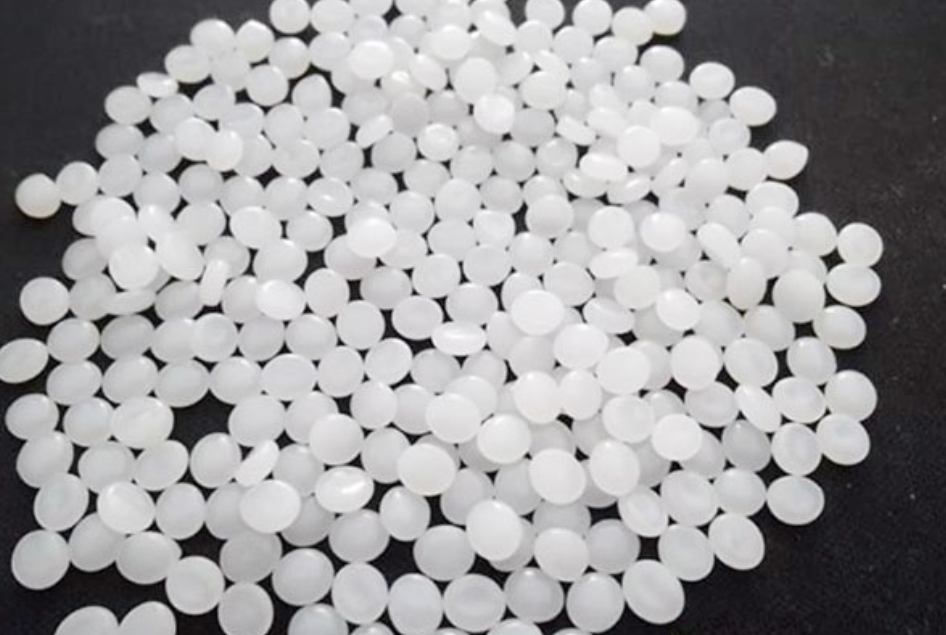
High Density Polyethylene (HDPE)
Found this useful?