Henry Hub natural gas prices have held steady near $3.70 per million British thermal units. This stability persists even as oil markets swing wildly due to renewed hostilities in the Gulf. The Energy Information Administration’s July outlook forecast this average for 2026, providing a rare anchor in a volatile energy landscape. For chemical traders and procurement managers, this divergence between oil and gas benchmarks is significant. It highlights a critical opportunity for buyers of ethane-based petrochemicals. While naphtha-linked costs surge with crude oil, natural gas-derived feedstocks remain insulated from geopolitical shocks. Understanding this dynamic allows procurement teams to optimize their sourcing strategies and protect margins during periods of extreme oil volatility.
The Divergence Between Oil and Natural Gas Markets
Crude oil and natural gas often move in tandem, but recent events have decoupled their trajectories. Oil prices react sharply to geopolitical tensions in major producing regions like the Middle East. Supply disruptions or threats to transit routes immediately inflate Brent and WTI benchmarks.
Natural gas markets, particularly in North America, operate under different fundamentals. Domestic production levels remain robust. Storage inventories are adequate for current demand patterns. The Henry Hub serves as the primary pricing point for US natural gas. Its stability reflects a balanced domestic market rather than global geopolitical sentiment.
This decoupling creates a unique environment for chemical manufacturers. Producers relying on oil-linked feedstocks face immediate cost pressures. Those utilizing natural gas liquids maintain predictable input costs. Procurement professionals must recognize this structural difference when evaluating supplier quotes.
Advantages for Ethane-Based Petrochemical Production
North American chemical producers primarily use ethane derived from natural gas processing. Ethane cracking yields ethylene, the building block for polyethylene and other essential polymers. When Henry Hub prices remain stable, ethane costs follow suit.
This stability provides a significant competitive advantage over naphtha-based crackers in Europe and Asia. Naphtha prices track closely with crude oil benchmarks. As Brent climbs above $90 per barrel, naphtha costs surge proportionally. Ethane-based producers do not face this direct correlation.
Predictable input costs: Stable natural gas prices allow for accurate long-term budgeting.
Margin protection: Producers can maintain healthy margins even when product prices soften.
Export competitiveness: Lower feedstock costs enable aggressive pricing in global markets.
Operational consistency: Facilities avoid the frequent shutdowns associated with volatile feedstock economics.
Strategic Sourcing Opportunities for Buyers
Chemical buyers should leverage this market divergence to optimize their supply chains. Sourcing ethylene derivatives from North America offers a hedge against oil price volatility. Polyethylene, ethylene glycol and other ethane-based products provide cost stability.
Procurement teams should evaluate shifting volume toward these suppliers where technically feasible. This geographic diversification reduces exposure to Middle Eastern supply shocks. It also minimizes the impact of maritime logistics disruptions in the Strait of Hormuz.
However, buyers must account for freight costs when importing from North America. Ocean freight rates may rise due to broader energy market trends. Yet, the base product cost advantage often outweighs these logistical expenses. Calculating total landed costs remains essential for accurate comparison.
Impact on Downstream Polymer Markets
The stability of natural gas prices directly benefits downstream polymer markets. Polyethylene producers can offer more consistent pricing to their customers. This predictability helps manufacturing clients manage their own budgets effectively.
Automotive, packaging and construction sectors rely on steady resin supplies. Volatile raw material costs disrupt their production planning. Sourcing from ethane-based suppliers mitigates this risk. Buyers in these industries should prioritize contracts with North American producers.
Additionally, the stability supports long-term investment in capacity expansion. Producers confident in their feedstock economics are more likely to invest in new facilities. This increased capacity further strengthens supply security for global buyers.
Logistics and Freight Considerations
While feedstock costs remain stable, logistics expenses require careful monitoring. Rising diesel and bunker fuel prices increase transportation costs globally. Trucking rates for domestic distribution climb alongside energy prices.
Ocean freight for exports faces similar pressure. However, the base cost advantage of ethane-based chemicals often absorbs these increases. Buyers should request detailed freight breakdowns from suppliers. Understanding the split between product cost and logistics fees enables better negotiation.
Bulk shipments by rail or vessel offer some protection against spot market volatility. Long-term freight contracts can lock in transportation rates. This strategy complements stable feedstock pricing to create a resilient supply chain.
Regulatory and Environmental Factors
Natural gas production and processing face increasing regulatory scrutiny. Methane emissions regulations may impact future supply costs. However, current Henry Hub prices reflect existing market conditions.
Buyers should monitor regulatory developments in major producing regions. Compliance costs for producers may eventually influence pricing. Yet, the current stability provides a window for strategic sourcing. Procurement teams should secure long-term agreements while prices remain favorable.
Environmental, social and governance criteria also play a role. Many buyers prefer suppliers with strong sustainability records. North American producers are investing heavily in emissions reduction technologies. This alignment supports both cost and compliance objectives.
What Buyers Should Do Now
The stability of Henry Hub near $3.70 offers a rare opportunity in a volatile energy market. Procurement professionals must act quickly to capitalize on this divergence. Audit your current supply chain for exposure to oil-linked feedstocks.
Evaluate alternative sourcing options from North American ethane-based producers. Negotiate long-term contracts to lock in favorable pricing. Diversify your supplier base to reduce geopolitical risk. Building resilience into your procurement strategy ensures operational continuity.
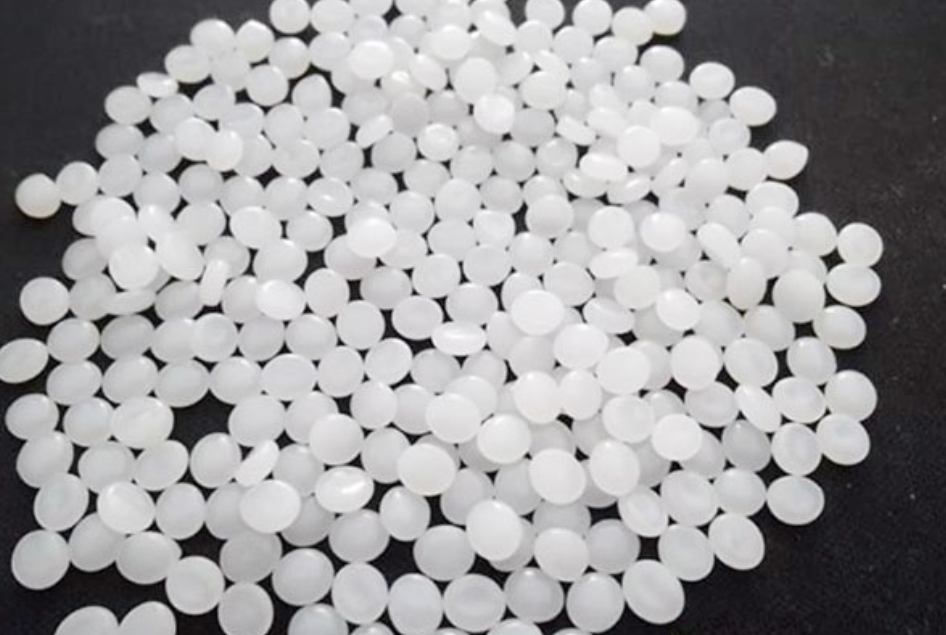
Ready to source High Density Polyethylene (HDPE) from verified global suppliers? Explore competitive offers on our platform today.