Herbicide Resistance and the Chemistry Pipeline: What New Active Ingredient Development Means
Herbicide resistance has become one of the most significant agronomic challenges facing modern agriculture. As weed populations evolve resistance to widely used herbicides, crop protection companies are investing heavily in research to discover new active ingredients and new modes of action (MOAs) that can support sustainable weed management.
The development of a new herbicide active ingredient is a lengthy scientific process that can take more than a decade—from discovery and laboratory testing to regulatory approval and commercial launch. Leading agricultural chemistry companies continue investing in innovation to address resistance while improving crop productivity and environmental performance.
For agrochemical procurement professionals, understanding the herbicide innovation pipeline is increasingly valuable. Companies investing in next-generation chemistry today are likely to introduce new commercial products over the coming years, creating opportunities to diversify product portfolios and strengthen long-term supply strategies.
Understanding Herbicide Resistance
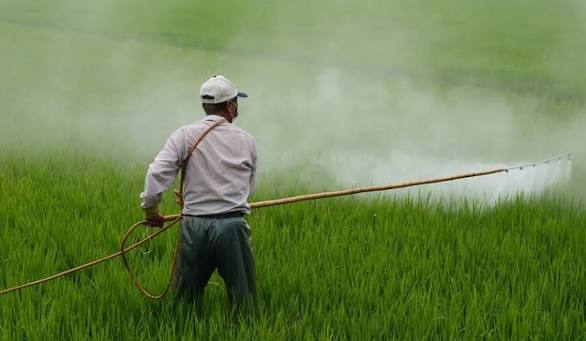
Herbicide resistance occurs when weed populations develop the ability to survive applications of herbicides that previously controlled them effectively.
Resistance develops through repeated selection pressure, where naturally tolerant plants survive treatment and produce future generations.
Over time, resistant weed populations become more common, reducing the effectiveness of existing herbicide programs.
Why New Active Ingredients Matter
Developing new herbicide active ingredients helps agriculture by:
Introducing new modes of action
Supporting resistance management
Expanding weed control options
Improving crop productivity
Providing additional tools for integrated weed management
Innovation remains one of the most important long-term strategies for maintaining effective crop protection.
Urea (Granular) - Egypt
What Is the Chemistry Pipeline?
The chemistry pipeline refers to the continuous process of discovering, testing, approving, and commercializing new crop protection molecules.
Typical development stages include:
Molecule discovery
Laboratory evaluation
Greenhouse testing
Field trials
Toxicological and environmental studies
Regulatory review
Commercial production
Market launch
Because this process is highly regulated, only a small percentage of candidate molecules ultimately reach the market.
Investment in Agricultural Innovation
Leading agricultural chemistry companies continue investing in research and development to strengthen future product portfolios.
Innovation efforts commonly focus on:
New herbicide active ingredients
Novel modes of action
Improved formulations
Precision agriculture technologies
Digital crop management
Sustainable crop protection solutions
These investments help address evolving agronomic challenges while supporting long-term agricultural productivity.
Why Procurement Teams Should Monitor Innovation
Research pipelines influence future product availability.
Procurement professionals can benefit by tracking companies that consistently invest in agricultural innovation.
Future Product Availability
Companies investing in research today may introduce new commercial herbicides over the coming years, expanding sourcing opportunities.
Portfolio Diversification
New active ingredients provide opportunities to broaden product portfolios and reduce dependence on existing chemistry.
Supplier Evaluation
Innovation capability can be an important consideration when assessing long-term supplier partnerships.
Companies with strong research programs may be better positioned to support future market needs.
Regulatory Preparedness
New products typically require regulatory approvals, technical documentation, and product registration before commercialization.
Monitoring development pipelines helps organizations prepare for future market introductions.
Beyond Active Ingredients
Innovation is not limited to discovering entirely new molecules.
Crop protection companies also invest in:
Advanced formulations
Improved delivery systems
Tank-mix compatibility
Application technologies
Precision agriculture solutions
Digital decision-support tools
These developments can improve product performance while supporting sustainable farming practices.
Procurement Considerations
An effective procurement strategy should balance current supply needs with future market developments.
Monitor Industry Innovation
Follow major product development announcements from leading agricultural chemistry companies.
Build Strong Supplier Relationships
Collaborative partnerships support early access to technical information and future product developments.
Prepare for Product Qualification
New active ingredients may require:
Technical evaluation
Regulatory review
Customer validation
Supply chain planning
Early preparation can support smoother commercial adoption.
Diversify Product Portfolios
Maintaining access to multiple herbicide technologies strengthens long-term business resilience.
Focus on Long-Term Value
Supplier evaluation should consider:
Research capability
Manufacturing quality
Technical support
Regulatory expertise
Supply reliability
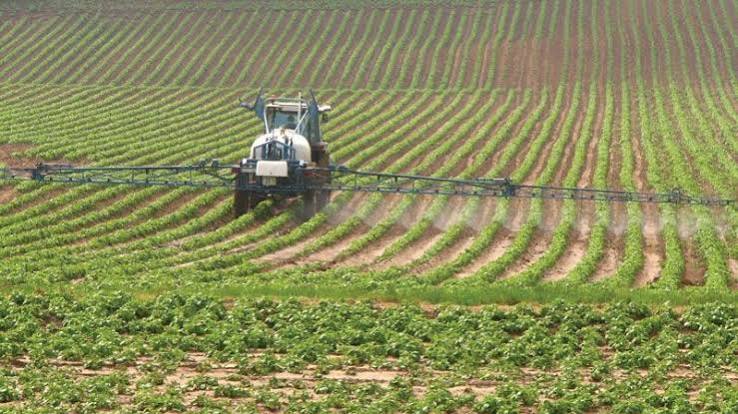
The Future of Crop Protection Chemistry
The next generation of herbicide innovation is expected to combine advances in chemistry with digital agriculture, precision application, biological technologies, and integrated weed management strategies.
Future product development will likely emphasize:
Improved resistance management
Greater environmental compatibility
Enhanced application efficiency
Sustainable agricultural production
Support for integrated crop management systems
These innovations aim to provide growers with broader and more flexible weed control options.
Long-Term Outlook
Herbicide resistance will remain a major driver of research and development across the global crop protection industry. Continued investment in new active ingredients, advanced formulations, and innovative technologies is expected to expand the range of weed management solutions available to agriculture over the coming decade.
For agrochemical procurement professionals, monitoring the chemistry pipeline is an important part of long-term sourcing strategy. Understanding where innovation is occurring enables businesses to prepare for future product introductions, strengthen supplier partnerships, and build more resilient crop protection portfolios capable of supporting sustainable agricultural production.
Key Takeaways
Herbicide resistance is driving continued investment in new active ingredients and innovative weed management technologies.
Developing a new herbicide active ingredient involves a lengthy process of research, testing, regulatory review, and commercialization.
Procurement teams should monitor companies with strong research programs to anticipate future product launches and sourcing opportunities.
Innovation extends beyond new molecules to include improved formulations, precision agriculture, and advanced application technologies.
Long-term procurement strategies should combine supplier diversification, product qualification planning, and ongoing monitoring of agricultural chemistry developments.
Found this useful?