
Historical Chemical Conglomerate Breakups Offer Lessons for Future Agrochemical Divestitures
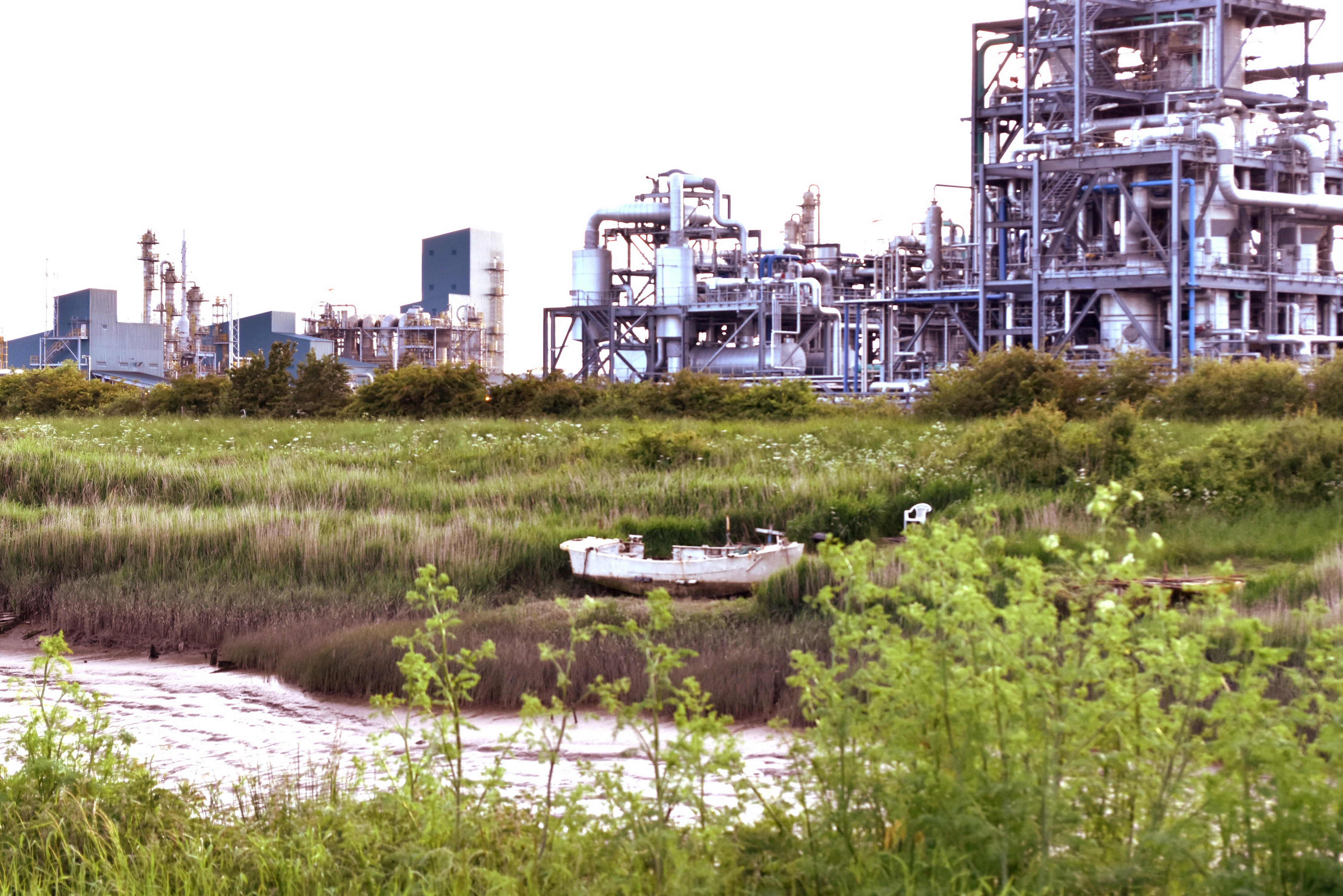
Historical Chemical Conglomerate Breakups Offer Lessons for Future Agrochemical Divestitures
Introduction
The chemical industry has experienced several major periods of corporate restructuring in which large conglomerates separated businesses, spun off divisions, or sold assets to create more focused companies. These breakups provide useful lessons for the agrochemical sector, where large agricultural businesses are increasingly evaluating portfolio structures, strategic independence, and capital allocation.
Future agrochemical divestitures are unlikely to be simple ownership changes. They can affect manufacturing networks, intellectual property, supplier relationships, regulatory registrations, employees, distribution channels, and long-term investment priorities.
Understanding how earlier chemical conglomerate breakups affected operations can therefore help procurement teams and market participants anticipate the consequences of future agrochemical separations.
Why Chemical Conglomerates Historically Became So Large
Large chemical companies expanded into multiple businesses because diversification offered several advantages.
Companies could combine:
Chemical manufacturing.
Specialty materials.
Fertilizers.
Pharmaceuticals.
Agricultural chemicals.
Industrial gases.
Consumer products.
Research and development.
Diversification allowed companies to spread research costs, share infrastructure, access multiple markets, and use strong cash-generating businesses to support investment in newer technologies.
Over time, however, some conglomerates became so diversified that managing individual businesses under one corporate structure became increasingly difficult.
Why Breakups Became Attractive
As markets became more specialized, investors and corporate executives increasingly questioned whether large conglomerates could efficiently manage businesses with very different economics.
A pharmaceutical business may require large research investments and operate around intellectual property and regulatory milestones, while a commodity chemical business may depend heavily on energy costs, capacity utilization, and feedstock prices.
These differences can make a single corporate strategy difficult to optimize.
As a result, chemical companies have periodically responded through:
Spin-offs.
Business sales.
Portfolio divestitures.
Joint ventures.
Separate listings.
Management-led reorganizations.
The objective is generally to create businesses with clearer strategic priorities and more focused capital allocation.
Lessons From Earlier Chemical Breakups
Historical breakups show that separation can create both opportunities and risks.
A newly independent company may gain greater freedom to invest in its strongest businesses and respond more quickly to market conditions.
However, separation can also disrupt the relationships that existed within the former parent company.
Shared manufacturing facilities, laboratories, procurement systems, logistics infrastructure, information technology, and corporate services may need to be separated or replaced.
This makes the operational transition just as important as the transaction itself.
Manufacturing Networks Can Be Particularly Sensitive
Chemical businesses often depend on integrated production networks.
A manufacturing site may supply intermediates to several divisions while receiving feedstocks from other businesses within the same corporate group.
When a business is divested, these internal supply relationships can become commercial agreements between separate companies.
That can introduce new questions around:
Transfer pricing.
Supply contracts.
Capacity reservations.
Minimum volumes.
Technical specifications.
Maintenance responsibilities.
Long-term investment.
Alternative sourcing.
For agrochemical businesses, these issues can be especially important because active ingredients and intermediates may require highly specialized production capabilities.
Intellectual Property and Regulatory Assets Also Matter
Agrochemical divestitures involve more than physical factories.
A transaction may require the separation or transfer of:
Patents.
Product registrations.
Regulatory dossiers.
Trademarks.
Formulation technologies.
Field-trial data.
Manufacturing know-how.
Product stewardship responsibilities.
Regulatory registrations can be particularly complicated because approvals may be tied to specific legal entities, manufacturing locations, product labels, or markets.
A divested agrochemical business therefore needs a carefully planned transition to ensure that commercial products remain legally and operationally supported.
The Agrochemical Industry Is Entering a New Portfolio Phase
The agricultural chemicals industry has already experienced significant consolidation involving crop protection, seeds, traits, biologicals, and agricultural technologies.
At the same time, companies are increasingly evaluating whether all of these businesses should remain under the same corporate structure.
This could create additional opportunities for divestitures and spin-offs.
A business that was previously considered strategically complementary may eventually be viewed as non-core if management believes a more focused structure would improve returns or allow faster investment in emerging technologies.
BASF Agricultural Solutions Provides a Relevant Example
BASF's ongoing separation of its Agricultural Solutions business illustrates how a major chemical company can prepare an agricultural division for greater independence.
The company has been developing Agricultural Solutions as an independently steered business and has targeted IPO readiness by 2027.
The process demonstrates that separating an agricultural business from a large chemical conglomerate requires more than transferring ownership.
The business must establish its own organizational structure, systems, management processes, and operating capabilities while maintaining continuity for customers and suppliers.
This type of transition provides a useful contemporary example of the complexity future agrochemical divestitures may involve.
Procurement Is Often Overlooked During Divestitures
For buyers, the consequences of a corporate separation may appear only after the transaction has been announced.
Procurement teams may need to reassess:
Supplier ownership.
Contract counterparties.
Manufacturing locations.
Product availability.
Lead times.
Minimum order quantities.
Payment terms.
Technical support.
Regulatory documentation.
A supplier that was previously part of a large multinational network may have different procurement priorities after becoming an independent company.
Conversely, a divestiture may create opportunities if the new company becomes more commercially flexible and focused on a smaller portfolio.
Divestitures Can Change Investment Priorities
One of the potential benefits of independence is greater strategic focus.
A standalone agrochemical company may allocate capital specifically toward:
New active ingredients.
Biological crop protection.
Formulation technologies.
Digital agriculture.
Manufacturing efficiency.
Regulatory development.
Geographic expansion.
Under a diversified conglomerate, these investments may have competed for capital with businesses operating in completely different sectors.
Greater independence can therefore accelerate investment in technologies that are directly relevant to agriculture.
But Independence Can Also Increase Risk
The benefits of independence come with potential disadvantages.
A standalone company may lose access to the financial resources, shared infrastructure, procurement scale, and corporate capabilities of its former parent.
This can increase exposure to:
Higher financing costs.
Smaller purchasing power.
Greater manufacturing concentration.
Reduced R&D resources.
Supply-chain disruption.
Higher standalone administrative costs.
For procurement teams, the key question is therefore not whether a divestiture is positive or negative, but how the new company will replace the capabilities previously provided by the parent organization.
What Future Agrochemical Divestitures Could Look Like
Future transactions may involve more specialized business structures.
For example, a company could separate:
Conventional crop protection.
Biologicals.
Seeds and traits.
Digital agriculture.
Specialty chemicals.
Manufacturing operations.
This could create smaller businesses with more focused strategies.
Some divested businesses could eventually become acquisition targets themselves, while others may form partnerships with technology companies, agricultural-input manufacturers, or private-equity investors.
The result could be another phase of restructuring across the agrochemical value chain.
Implications for Chemical Market Intelligence
For chemical marketplaces and market-intelligence platforms, corporate restructuring creates an important data challenge.
Supplier information should not be treated as static.
When a company is acquired, divested, or spun off, platforms may need to update:
Company ownership.
Manufacturing sites.
Product portfolios.
Regulatory registrations.
Supplier relationships.
Production capacities.
Contact information.
Distribution networks.
A change in corporate ownership can therefore affect the accuracy of supplier intelligence even when the physical production facility remains unchanged.
What Procurement Teams Should Monitor
When an agrochemical divestiture is announced, procurement teams should examine several areas immediately:
1. Ownership
Determine which legal entity will own the business and manufacturing assets.
2. Production Continuity
Assess whether production locations, capacity, or manufacturing strategies will change.
3. Contract Changes
Review whether existing supply agreements will remain valid or require renegotiation.
4. Regulatory Status
Check whether registrations, licenses, and product documentation require updates.
5. Investment Strategy
Evaluate whether the new owner plans to expand, maintain, or reduce production capacity.
6. Alternative Suppliers
Identify backup sources for products considered strategically important.
Outlook
Historical chemical conglomerate breakups suggest that future agrochemical divestitures will create both opportunities and supply-chain risks.
The most successful separations are likely to be those in which companies maintain operational continuity while establishing a clearer long-term strategy for the newly independent business.
For the agrochemical industry, this could mean greater specialization across conventional chemistry, biologicals, seeds, digital agriculture, and other technologies.
Procurement professionals should therefore view corporate divestitures not simply as financial transactions but as potential changes to supplier structure, production capacity, technology ownership, and market competition.
Conclusion
The history of chemical conglomerate breakups provides valuable lessons for the future of agrochemical divestitures.
Separating a business can create strategic focus, improve capital allocation, and allow management to respond more quickly to industry-specific opportunities. However, the process can also disrupt shared manufacturing, procurement, logistics, regulatory, and technology systems.
For agrochemical buyers, the key lesson is to look beyond the headline transaction. The most important questions are what happens to the manufacturing network, product registrations, supply contracts, intellectual property, and investment strategy after the separation.
As major agricultural businesses continue to reconsider their corporate structures, future divestitures could reshape not only ownership but also the competitive and supply-chain landscape of the global agrochemical industry.
Activated Carbon (Powder) - India
Found this useful?