Honeywell to Supply Process Technology for Dangote's 700,000 b/d Single-Train Kenya Refinery
Honeywell to Supply Process Technology for Dangote's 700,000 b/d Single-Train Kenya Refinery
Honeywell Technologies has been selected by Dangote Petroleum Refinery and Petrochemicals FZE to provide process technologies, licensing, engineering services, proprietary catalysts, equipment and digital solutions for a planned 700,000-barrel-per-day refinery in Lamu, Kenya.
Once completed, the facility is expected to become the world's largest single-train refinery. Honeywell says the project will build on engineering designs developed for Dangote's refinery in Lekki, Nigeria, potentially reducing the development schedule by nearly two years.
Honeywell Selected for the Kenya Refinery
Honeywell's project scope is expected to be approximately $300 million and covers process technology licensing, engineering services, proprietary catalysts, equipment and digital solutions.
The selection comes as construction of the major Lamu refinery gets underway. Dangote and Kenyan President William Ruto participated in the project's groundbreaking ceremony on September 30, 2026.
700,000-Barrel- Per-Day Single-Train Design
The planned refinery will have a crude-processing capacity of 700,000 barrels per day.
Its single-train configuration is significant because the entire planned crude-processing capacity is designed around one large processing train. Honeywell and Dangote expect the facility to become the world's largest refinery based on single-train capacity once completed.
The refinery is being developed as an integrated refining and petrochemical complex rather than simply a conventional fuel-production facility.
Fuels and Polypropylene Production
Honeywell's technology package will support production of several major petroleum and petrochemical products.
The planned product slate includes:
Gasoline
Diesel
Jet fuel
Polypropylene
Oil & Gas Journal reports that the project is also planned to include approximately 1 million tonnes per year of polypropylene production, alongside conventional refining operations.
Polypropylene is an important polymer used in packaging, automotive components, consumer products and industrial applications.
Engineering Designs From Dangote's Nigerian Refinery
One of the most important aspects of the agreement is the use of engineering experience from Dangote's Lekki refinery in Nigeria.
Honeywell says the established large-train designs developed for the Nigerian project can be applied to the Kenya facility. This is expected to reduce the development schedule by nearly two years, or almost 30% compared with typical newly constructed facilities, according to Honeywell.
Reusing proven engineering designs can reduce the amount of new engineering required and allow project teams to build on experience gained from an operating large-scale refinery.
Flexible Crude Processing
The Kenya refinery is being designed to process a broad range of crude oils, including light and heavy grades.
This flexibility could allow Dangote to source crude from multiple regions instead of relying on a single crude type or supply source.
Honeywell says it will provide modifications to its technology package to support this wider range of crude feedstocks and improve operational flexibility.
$16 Billion Lamu Refinery Project
The Honeywell agreement forms part of a much larger $16 billion refinery and energy project in Lamu County.
The groundbreaking ceremony took place on September 30, 2026. Reuters reported that the facility is scheduled for completion in 2030 and is intended to reduce East Africa's dependence on imported petroleum products.
The project represents a major expansion of refining capacity on Africa's eastern coast and is intended to serve both Kenya and wider regional markets.
Lamu Location and Regional Fuel Supply
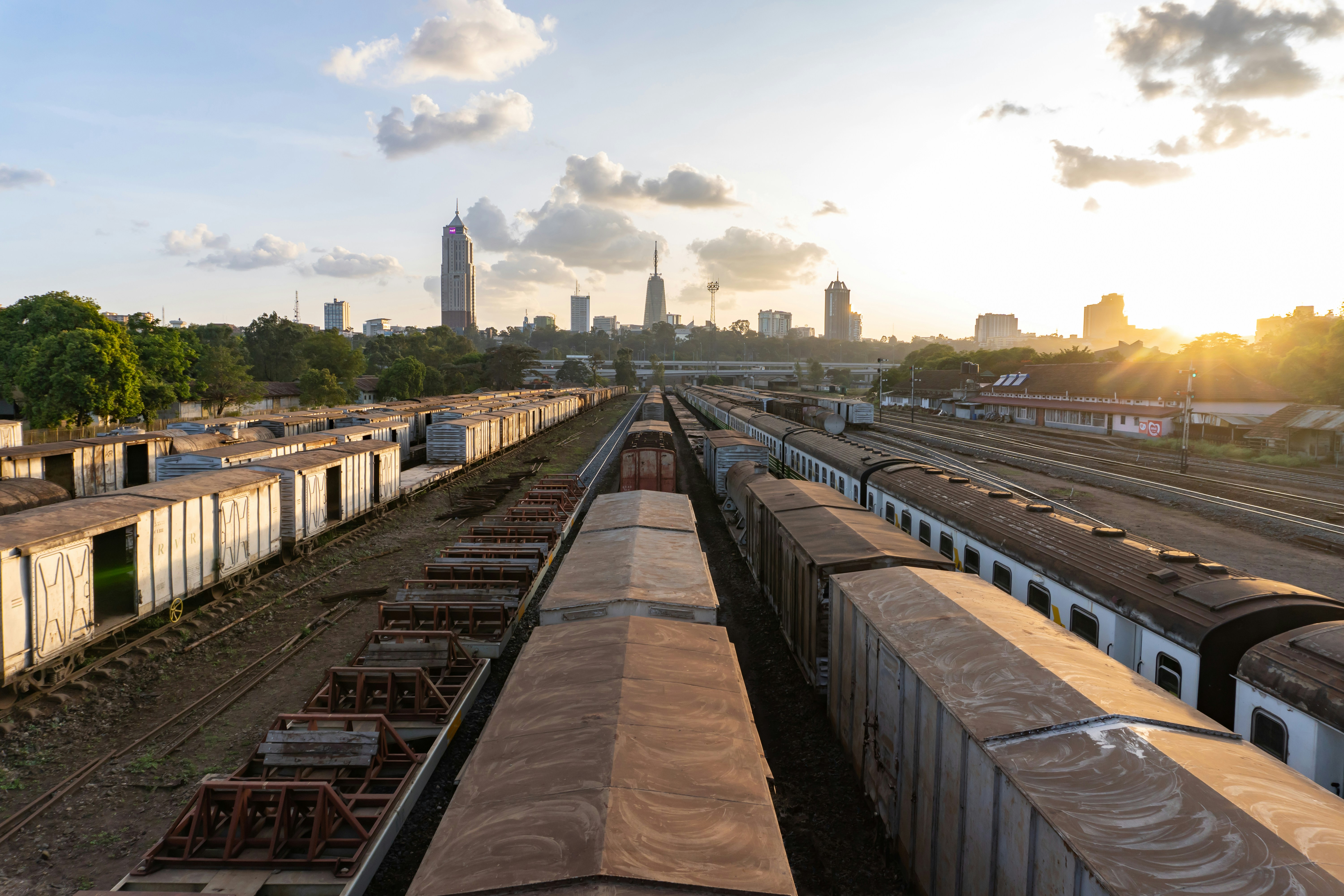
The refinery is being developed in Lamu County, close to Kenya's Lamu Port.
Its coastal location is intended to support the movement of crude oil, refined petroleum products and other materials through marine infrastructure.
The project is expected to supply products to Kenya while also supporting petroleum-product markets across East Africa. Reuters reports that the facility is being positioned to serve a regional market extending beyond Kenya.
Honeywell's Role Goes Beyond Process Technology
Honeywell's responsibilities extend beyond licensing individual refining processes.
The company's package includes:
Process technology
Technology licensing
Engineering services
Proprietary catalysts
Refinery equipment
Digital solutions
The combination is designed to provide Dangote with an integrated technology and engineering package for the large-scale refinery.
The companies have also worked together on technology, engineering, catalyst and digital services for the Dangote refinery in Nigeria.
Connection With the Lekki Refinery
The Kenya project is closely connected to Honeywell's previous work with Dangote in Nigeria.
Honeywell has supported the Lekki refinery with technology and engineering solutions, while the Nigerian facility is undergoing plans for a major capacity expansion.
The Kenya project therefore gives the companies an opportunity to apply lessons and engineering designs from one large African refinery to another.
Construction Schedule and 2030 Target
Dangote has said construction of the Lamu refinery is expected to progress toward commissioning within approximately 40 months of the September 30 groundbreaking.
Oil & Gas Journal reports that more than 110 pieces of construction equipment were already at the site at the groundbreaking, with additional equipment expected to arrive during the following months.
If the announced schedule remains on track, commissioning would occur around the beginning of 2030.
Potential Impact on East Africa's Refining Capacity
The planned refinery could substantially increase petroleum-processing capacity in East Africa.
The region currently relies heavily on imported refined fuels. A large domestic refinery could provide another source of gasoline, diesel and jet fuel while creating opportunities for regional exports.
The integrated polypropylene facility could also connect crude processing with downstream petrochemical manufacturing.
Project Challenges
The project is also facing issues outside the technology and engineering scope.
Reuters has reported that conservationists and affected landowners have challenged aspects of the project in court, raising environmental and land-rights concerns. These issues are separate from Honeywell's technology agreement but form part of the wider project-development environment.
The project's progress will therefore depend not only on construction and engineering execution but also on financing, infrastructure development, crude supply, workforce preparation and regulatory considerations.
Strategic Importance for Honeywell and Dangote
For Honeywell, the Kenya refinery expands its involvement in large-scale refining and petrochemical projects across Africa.
For Dangote, the project extends the company's refining strategy beyond Nigeria and provides another major facility designed around a large single-train configuration.
The companies' existing relationship could help reduce engineering duplication and accelerate development by applying established technology and design experience.
What the Agreement Means for the Refining Industry
The Honeywell-Dangote agreement demonstrates the growing importance of standardized engineering, proven process technology and digital refinery solutions in major refinery developments.
Rather than developing every part of the facility from the beginning, the Kenya project will use engineering experience gained from Dangote's Nigerian refinery.
This approach could reduce development time while allowing the new facility to maintain flexibility in crude sourcing and product production.
Source Links:
Linear-Low Density Polyethylene (LLDPE)
Found this useful?