
Hormuz Disruption Sends Urea Prices Up Nearly 60% in 2026, Reshaping Fertilizer Trade
The global urea market is facing one of its sharpest supply disruptions since the major fertilizer shocks of the early 2020s. The Strait of Hormuz handles nearly one quarter of global urea exports, and the World Bank projects urea prices to rise nearly 60% in 2026, putting fertilizer buyers under renewed cost pressure.
For chemical traders, importers and procurement teams, the issue extends beyond the headline price increase. Disrupted shipping, production interruptions, higher natural gas costs and potential export restrictions are creating a market where supply security can matter as much as the purchase price.
Why the Strait of Hormuz Matters to the Urea Market
The Strait of Hormuz is a critical maritime route for fertilizer trade because major Middle Eastern producers rely on it to reach international customers. In 2024, the Middle East accounted for almost one quarter of global urea exports, according to the World Bank's April 2026 Commodity Markets Outlook.
When shipping through the route becomes severely restricted, the impact reaches buyers far beyond the Gulf region. Urea cargoes face longer routes, delayed deliveries and greater uncertainty over when contracted material can reach destination markets.
The disruption also affects the movement of key fertilizer inputs. The region accounts for a significant share of global ammonia exports, while sulfur and other feedstocks also move through the same trading corridor.
For procurement teams, this makes the Hormuz situation a supply-chain issue rather than simply a freight problem.
Urea Prices Rise as Global Supply Tightens
The World Bank reported that nitrogen fertilizer prices experienced an especially sharp increase after the disruption. Urea prices averaged about $725 per metric ton in March 2026, after rising nearly 55% from February.
By April, the World Bank reported that urea prices had moved above $850 per metric ton, representing an increase of about 80% from February. The movement reflected major export disruptions following the closure of the Strait of Hormuz.
The annual outlook remains equally significant. The World Bank expects urea prices to increase by nearly 60% in 2026 before potentially falling in 2027 as Middle Eastern exports recover and natural gas prices moderate.
For buyers, the key issue is that the market can move rapidly between quotation and shipment. A low-priced offer may have limited value if the supplier cannot guarantee reliable loading, transit and delivery.
Production Disruptions Add More Pressure
Shipping restrictions are only one part of the fertilizer supply problem. Production interruptions in major producing regions have further reduced the amount of urea and ammonia available to international markets.
The World Bank reported that Iran halted ammonia production while Qatar suspended urea, ammonia and sulfur production following damage to production facilities. India also reduced urea and ammonia production because of lower LNG supplies.
These disruptions matter because urea production depends heavily on ammonia, while ammonia production itself relies heavily on natural gas. The World Bank estimates that natural gas accounts for 80% to 90% of ammonia production costs, making energy prices a major factor in nitrogen fertilizer pricing.
This creates a chain reaction for procurement:
Lower production reduces export availability, giving suppliers less flexibility when filling international orders.
Higher natural gas costs raise production expenses, putting additional pressure on urea prices.
Shipping disruptions increase logistics costs, particularly when cargoes need alternative routes.
Tighter availability increases competition, encouraging buyers to secure material earlier.
How the Disruption Is Changing Fertilizer Trade Flows
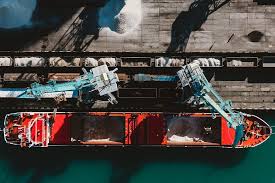
The Hormuz disruption is forcing fertilizer market participants to think more carefully about logistics. Middle Eastern suppliers can seek alternative land corridors and other transportation routes, but rerouting does not immediately restore the efficiency of normal maritime trade.
The result is a market where the physical availability of urea can vary considerably by destination. Buyers located close to alternative supply sources may face a different pricing environment from importers that depend heavily on Gulf cargoes.
China is another factor to watch. The World Bank noted concerns that China could curb fertilizer exports to protect domestic availability, while Chinese fertilizer exports during the first two months of recent years remained well below earlier levels.
For international buyers, diversification therefore becomes increasingly important. Relying on one country, one producer or one shipping route can expose procurement programs to sudden shortages.
What Higher Urea Costs Mean for Buyers
Urea is one of the world's most widely used nitrogen fertilizers, so a sustained price increase affects agricultural supply chains well beyond fertilizer distributors. Higher input costs can reduce farmer margins and influence purchasing decisions for upcoming planting cycles.
The World Bank expects fertilizer affordability to deteriorate to its weakest level since 2022 as fertilizer prices rise faster than food commodity prices.
For procurement managers, several commercial consequences deserve close attention:
Budget pressure: Higher urea quotations can quickly increase the cost of fertilizer inventories and agricultural input programs.
Working capital requirements: Buyers may need more capital to secure the same physical volume.
Freight exposure: Alternative routes can create additional transportation costs and longer lead times.
Inventory strategy: Holding adequate stocks becomes more valuable when replacement cargoes face uncertainty.
Supplier diversification: Multiple approved origins can reduce exposure to a single disrupted trade corridor.
These conditions make supplier verification and shipment planning essential components of purchasing decisions.
The Natural Gas Connection Behind Urea Prices
The urea market cannot be separated from the global natural gas market. Ammonia provides the primary feedstock for urea production, and natural gas represents a major share of ammonia production costs.
When LNG availability falls or natural gas prices increase, nitrogen fertilizer producers face higher operating costs. The pressure can eventually move through the supply chain into ammonia and urea quotations.
This relationship also explains why energy market developments remain important for chemical traders. A disruption that initially appears to concern shipping can develop into a wider fertilizer pricing event when it simultaneously affects energy supplies, production costs and transportation.
The World Bank expects fertilizer prices to rise by more than 30% overall in 2026, with the increase driven by higher input costs and resilient demand.
What Could Happen to Urea Prices in 2027?
The World Bank expects the urea market to loosen in 2027 if Middle Eastern exports recover and natural gas prices moderate. Under that outlook, urea prices could decline by about 25% in 2027 after the sharp increase projected for 2026.
That forecast depends heavily on the normalization of fertilizer trade flows. If shipping restrictions remain prolonged, production facilities face additional damage or major exporters introduce new trade restrictions, prices could remain higher for longer.
Additional production capacity may provide some relief. The World Bank expects modest increases in European urea production capacity, while broader supply recovery could also help balance the market in 2027.
For buyers, this means that the current market should not be treated as a simple temporary price spike. Procurement decisions made during the disruption can influence inventory costs, contract structures and supplier relationships well into the following year.
What Buyers Should Do Now
Chemical buyers facing urea procurement requirements should focus on supply reliability as well as headline pricing. A competitive quotation has limited commercial value if the supplier faces uncertain production, loading or transportation conditions.
Procurement teams can strengthen their position by:
Diversifying supplier origins. Maintain qualified suppliers from multiple regions where possible instead of depending entirely on one Middle Eastern source.
Reviewing delivery terms. Compare freight responsibility, transit exposure and delivery schedules before evaluating offers solely on the product price.
Monitoring natural gas and ammonia markets. Changes in energy and feedstock costs can provide early signals of further nitrogen fertilizer price movements.
Planning inventory earlier. Buyers with predictable fertilizer requirements can evaluate whether additional safety stock is justified while supply remains tight.
Checking specifications carefully. Product grade, granulation, nitrogen content, packaging and shipment terms should remain aligned with the buyer's application requirements.
Comparing verified offers. Multiple supplier quotations can help buyers identify realistic market levels and reduce dependence on a single trading counterparty.
The current urea market demonstrates how quickly a transportation disruption can spread through the chemical supply chain. For traders and procurement managers, flexible sourcing and reliable supplier networks can provide an important advantage when international logistics become unpredictable.
The World Bank expects fertilizer prices to ease in 2027 if trade flows recover, but the near-term market remains exposed to geopolitical, energy and production risks.
For businesses purchasing urea internationally, the priority is therefore clear: secure dependable supply, understand the full landed cost and maintain enough sourcing flexibility to respond when trade routes change. Ready to source Urea (Granular) - Egypt from verified global suppliers? Explore competitive offers on our platform today.
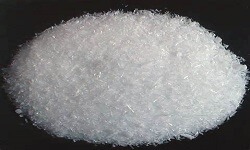
Urea (Granular) - Egypt
Found this useful?