Hospital Water Treatment and Ecolab's Semiconductor Pivot: Supply Chain Implications
Introduction
Water treatment chemicals are critical to both healthcare and industrial manufacturing. Hospitals depend on advanced water treatment systems to maintain safe clinical environments, while industries such as semiconductor manufacturing require ultra-pure water (UPW) for precision production processes. As companies like Ecolab expand their focus into high-growth sectors such as semiconductors, procurement professionals are evaluating how shifting market priorities could influence the availability, pricing, and sourcing of water treatment chemicals.
Although healthcare and semiconductor industries have different operational requirements, they often rely on overlapping chemical products and water treatment technologies. Understanding these connections is essential for procurement teams seeking to build resilient and sustainable supply chains.
Why Water Treatment Matters in Hospitals
Hospitals require high-quality water for numerous clinical and operational applications. Proper water treatment helps prevent contamination, protects medical equipment, and supports compliance with healthcare standards.
Key applications include:
Sterilization systems
Dialysis water purification
Laboratory operations
HVAC cooling systems
Boiler feedwater treatment
Surgical instrument reprocessing
General facility water management
Reliable access to treatment chemicals is essential to ensure uninterrupted patient care and hospital operations.
Ecolab's Expansion into Semiconductor Water Solutions
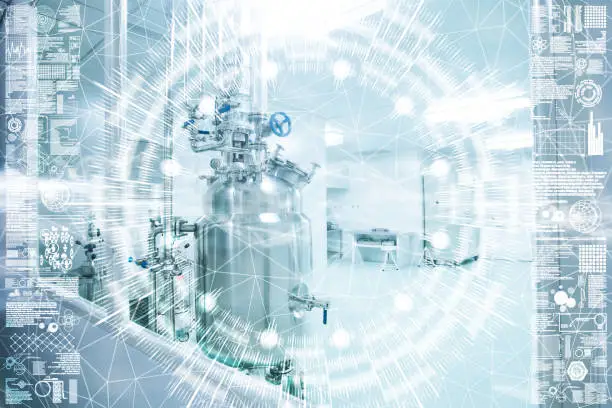
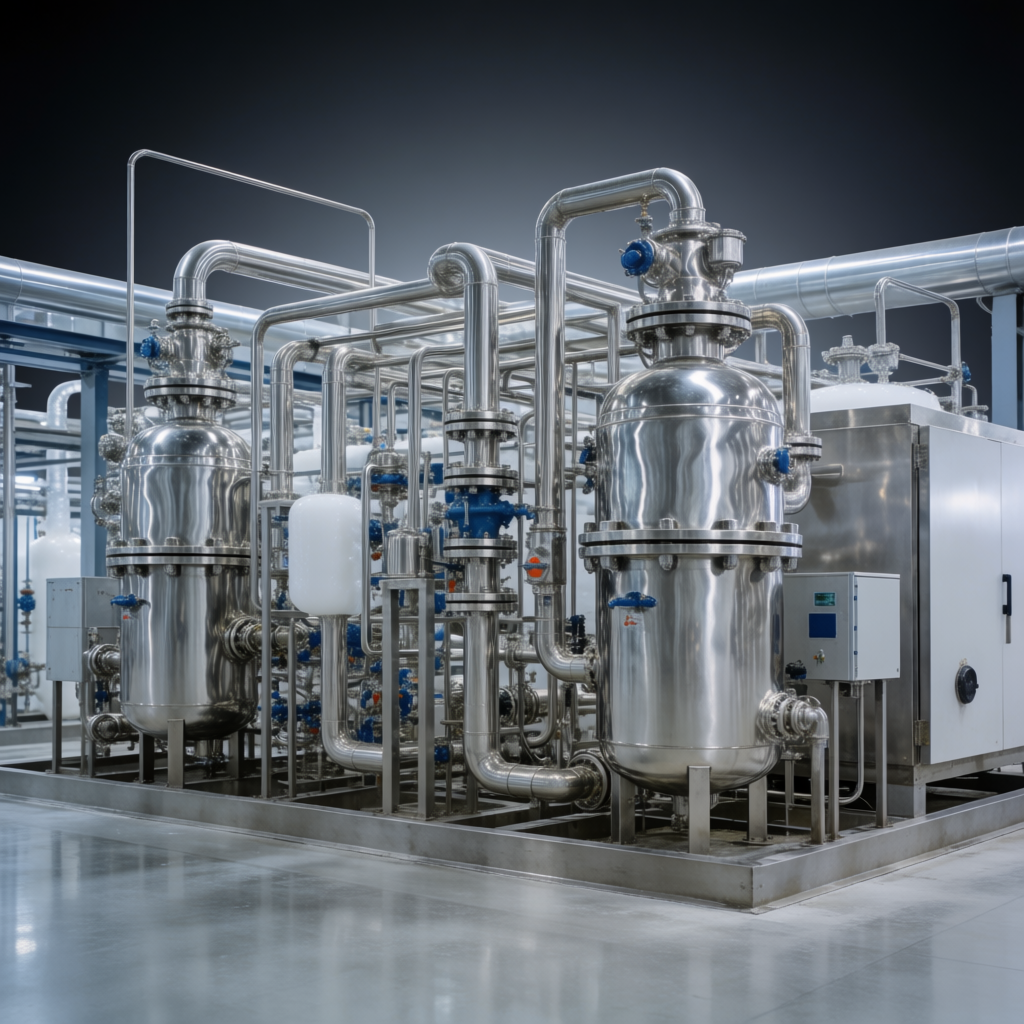
The semiconductor industry demands some of the purest water used in manufacturing. Ultra-pure water is essential for cleaning silicon wafers and preventing microscopic contamination during chip production.
As Ecolab strengthens its presence in semiconductor water treatment, it reflects a broader trend of increasing investment in advanced industrial water technologies. This expansion highlights growing demand for specialized treatment chemicals, digital monitoring systems, and sustainable water management solutions.
For procurement teams, it also raises questions about future competition for certain chemical products and technical resources.
Shared Chemical Demand Across Industries
Hospitals and semiconductor manufacturers often utilize similar categories of water treatment chemicals, even though their purity specifications differ.
Common chemical categories include:
Growing demand from multiple industries may influence supplier capacity and production planning over time.
Supply Chain Implications
As water treatment suppliers expand into new markets, procurement teams should evaluate potential supply chain impacts.
Changing Supplier Priorities
Suppliers may allocate greater investment toward rapidly growing industries, potentially affecting production capacity and customer service across different sectors.
Increased Demand for Specialty Chemicals
Expansion in semiconductor manufacturing could increase demand for high-performance treatment chemicals and specialized purification materials.
Longer Lead Times
Higher global demand for water treatment technologies may contribute to longer manufacturing and delivery timelines for selected products.
Greater Focus on Innovation
Investment in digital water management, automation, and sustainability could improve product performance while creating new procurement opportunities.
Procurement Strategies for Healthcare Organizations
Healthcare procurement teams can strengthen supply resilience through proactive planning.
Recommended actions include:
Diversify Approved Suppliers
Avoid overdependence on a single supplier for critical water treatment chemicals and equipment.
Strengthen Inventory Planning
Maintain appropriate safety stock for essential treatment products used in hospital operations.
Monitor Supplier Capacity
Engage regularly with suppliers to understand production plans, lead times, and potential market changes.
Consider suppliers that demonstrate efficient water management, reduced environmental impact, and strong ESG practices.
Opportunities for Chemical Suppliers
The convergence of healthcare and semiconductor demand creates opportunities for manufacturers of water treatment solutions.
Potential growth areas include:
Advanced filtration technologies
Smart water monitoring systems
Sustainable treatment chemicals
Water recycling solutions
Digital asset management platforms
High-purity chemical production
Suppliers capable of serving multiple industries while maintaining stringent quality standards may gain a significant competitive advantage.
The Future of Water Treatment Procurement
Water treatment is becoming increasingly strategic as industries pursue greater efficiency, sustainability, and operational resilience.
Future procurement priorities are expected to include:
Digital water quality monitoring
Predictive maintenance technologies
Sustainable chemical formulations
Supply chain transparency
Risk-based sourcing strategies
Long-term supplier collaboration
Organizations that integrate these priorities into procurement planning will be better prepared to manage evolving market conditions.
Conclusion
The growing importance of water treatment across both healthcare and semiconductor industries highlights the interconnected nature of modern supply chains. As companies such as Ecolab expand into advanced industrial water solutions, procurement professionals should monitor market developments that could influence supplier capacity, product availability, and sourcing strategies.
By diversifying suppliers, strengthening inventory planning, and embracing data-driven procurement practices, hospitals and healthcare organizations can improve supply chain resilience while ensuring uninterrupted access to the critical water treatment solutions that support patient care.