How Gulf Gas Infrastructure Growth Is Reshaping Ammonia and Urea Feedstock Security
No single project explains the Gulf's expanding gas export capacity. It is the cumulative effect of years of overlapping investment, and that steady buildout matters more to nitrogen fertilizer buyers than any individual announcement does. Projects like Abu Dhabi's Umm Shaif Gas Cap development are adding incremental processing and export capacity to a network that has been growing consistently across the region.
For buyers sourcing ammonia and urea out of the Gulf, that expanding gas base is the foundation everything else sits on. Nitrogen fertilizer production runs almost entirely on natural gas feedstock, which means regional gas capacity is effectively upstream of fertilizer supply reliability.
Why the Gulf Keeps Building Gas Infrastructure
Gulf gas export infrastructure investment has accelerated in recent years as regional producers position themselves to capture rising global gas demand. That push spans new offshore development, expanded processing capacity and growing LNG export platforms.
Abu Dhabi has moved forward with multiple offshore gas cap developments, including Umm Shaif and the more recently approved Bab Gas Cap, both adding processing capacity to the emirate's broader gas network.
Regional producers are simultaneously expanding LNG marketing and export infrastructure, positioning Gulf gas for both domestic industrial use and international sale.
Each individual project adds a relatively modest increment of capacity, but the pattern across several years compounds into a meaningfully larger regional gas base.
The Link Between Gas Capacity and Fertilizer Feedstock
Ammonia production starts with natural gas, which supplies both the hydrogen feedstock and the energy needed to run the synthesis process. Urea then combines that ammonia with carbon dioxide, much of it captured during the same production process.
Fertiglobe, the Gulf's largest ammonia and urea exporter, runs its flagship UAE production on associated Abu Dhabi gas that has supplied the plant since the 1980s. A larger, more diversified regional gas base gives that kind of production a wider margin against feedstock disruption.
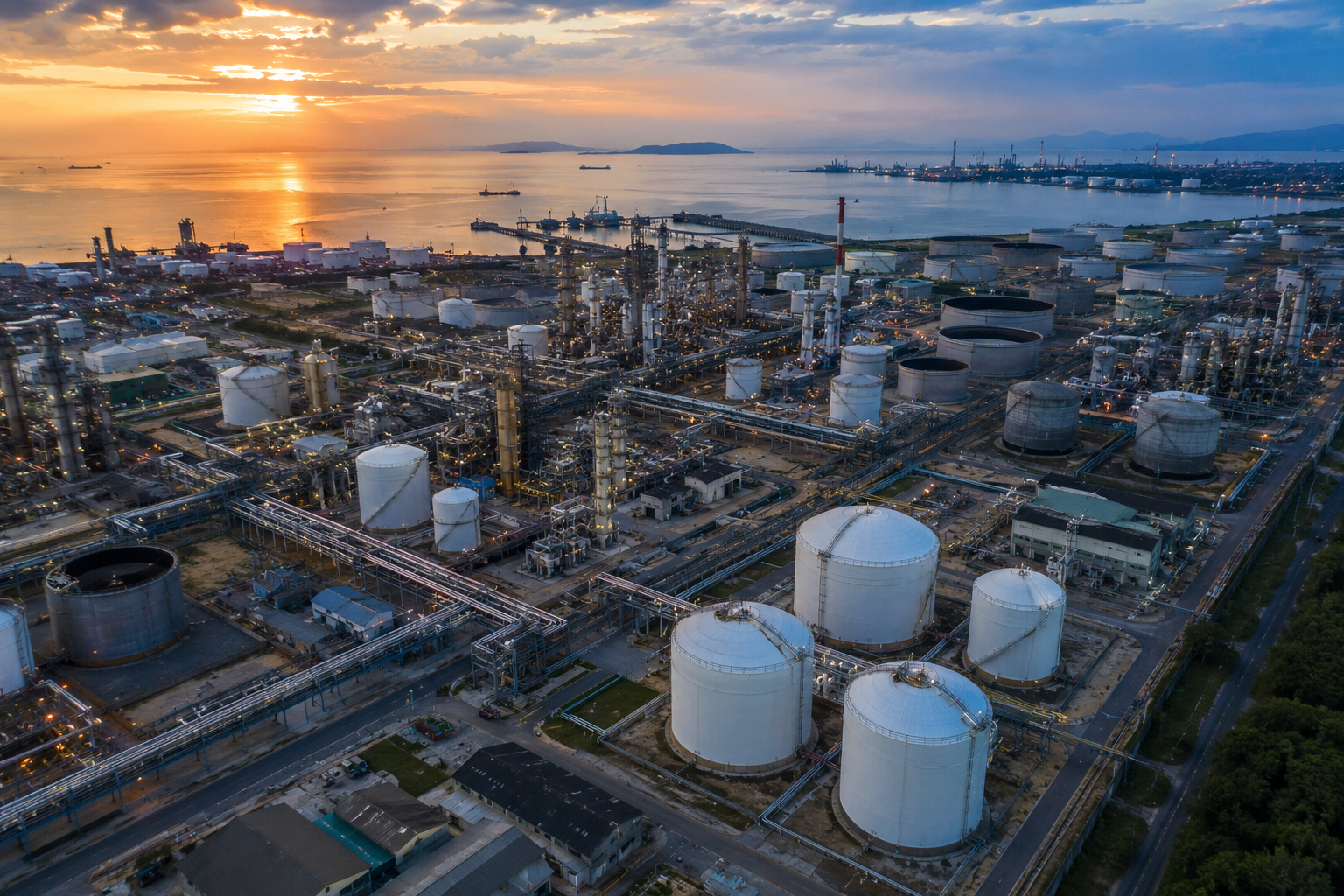
Incremental gas cap projects like Umm Shaif add both dry gas and associated condensate, supporting fuel gas supply and feedstock volumes simultaneously.
Expanding domestic gas supply reduces the odds that fertilizer producers face curtailment during periods of high regional demand or maintenance elsewhere in the network.
New gas processing capacity built specifically for domestic industrial use, rather than export alone, tends to benefit downstream chemical producers most directly.
Supporting Two Goals at Once
Much of the current Gulf gas buildout is designed to serve domestic feedstock supply and international LNG export ambitions simultaneously. That dual purpose shapes how much of the new capacity actually flows toward fertilizer producers versus export terminals.
Regional gas allocation decisions matter here. As Gulf producers grow their LNG export capacity to meet rising global demand, buyers of domestically produced ammonia and urea have a reasonable interest in how that allocation balance holds up over time.
Domestic petrochemical and fertilizer demand generally receives priority allocation in most Gulf gas frameworks, though export ambitions continue to grow alongside it.
New processing capacity coming online through projects like Umm Shaif expands the overall pie rather than forcing a direct tradeoff between domestic and export use.
Buyers should still watch how national gas strategies evolve, since export commitments and domestic industrial demand will compete for incremental supply over time.
What Steady Infrastructure Growth Means for Buyers
A single project rarely changes fertilizer supply dynamics on its own. The value of tracking this buildout is in the trend line, not any individual announcement.
Feedstock reliability. A broader, more diversified regional gas base reduces single point of failure risk for ammonia and urea producers relying on Gulf feedstock.
Cost stability. Producers with secure domestic gas supply typically hold a structural cost advantage over regions dependent on imported gas or LNG for fertilizer production.
Capacity signals. Sustained infrastructure investment often precedes downstream capacity announcements, since producers are more likely to expand fertilizer output once feedstock security improves.
Tracking the Cumulative Trend Rather Than Individual Projects
Procurement teams sourcing Gulf ammonia or urea gain more from watching the pattern of gas infrastructure investment across several years than from reacting to any single project milestone. Projects like Umm Shaif matter most as one data point within a longer running trend of expanding regional gas capacity.
That trend has held steady for several years now, with new offshore developments, processing expansions and export infrastructure projects arriving in overlapping waves rather than isolated bursts.
What Buyers Should Do Now
Buyers with long term Gulf sourced ammonia or urea contracts should ask suppliers how regional gas infrastructure growth factors into their own feedstock security planning. A supplier's answer often reveals how directly they benefit from the broader buildout versus how exposed they remain to allocation shifts.
It is also worth tracking whether fertilizer producers announce capacity expansions of their own in the coming years, since that would be the clearest signal that the cumulative gas buildout has translated into actual downstream production growth rather than just improved feedstock security.
Ready to source ammonia from verified global suppliers? Explore competitive offers on our platform today.
Liquid Ammonia
Found this useful?