H.B. Fuller's $943 million acquisition of Advanced Medical Solutions (AMS) is being framed by the company less as a straightforward bolt-on and more as a market-widening move. By adding AMS's surgical adhesives, tapes, dressings and formulated biosurgicals to its portfolio, H.B. Fuller expects its total addressable market to grow from roughly $80 billion to $95 billion, a $15 billion expansion that reflects how much broader the medical adhesives category has become beyond simple wound closure.
That number matters more than it might first appear. A total addressable market figure is a forward-looking claim about where a company believes it can compete, not just where it currently sells. For H.B. Fuller, it signals an intent to move well past its historical footprint in industrial and packaging adhesives and into higher-value, higher-margin medical segments.
Where the New $15 Billion Comes From
AMS doesn't operate in a single product category. Its portfolio spans several distinct segments, each contributing to the expanded market opportunity:
Surgical adhesives used in operating rooms for wound closure and tissue approximation, an area where regulatory and clinical validation requirements keep competition limited.
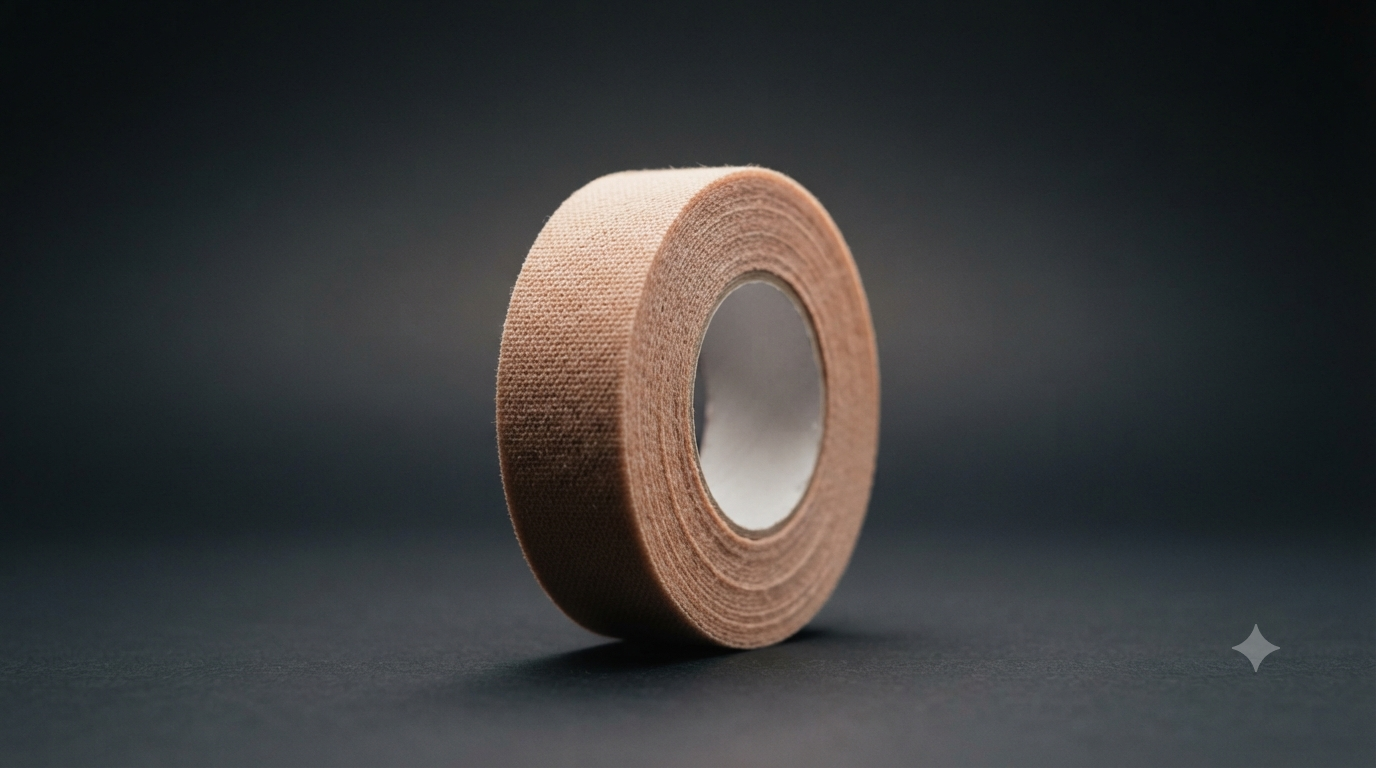
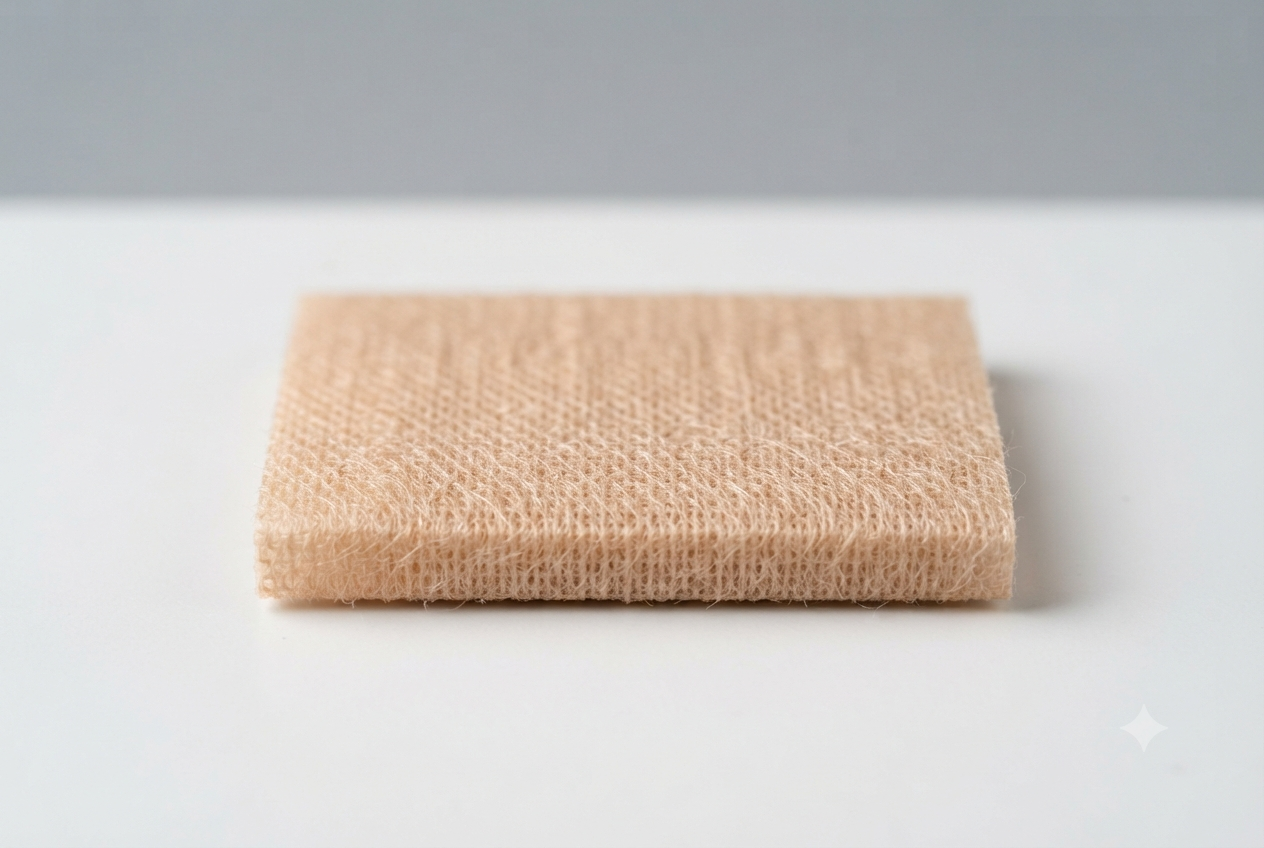
Tapes and dressings sold across hospital systems and specialty distributors, spanning both acute wound care and chronic wound management.
Formulated biosurgicals, a more specialized and higher-margin category that includes hemostatic and tissue-sealing products used in surgical settings.
Together, these categories sit adjacent to, but distinct from, H.B. Fuller's existing medical adhesive lines, which is precisely why the acquisition adds incremental market opportunity rather than simply consolidating share within a market Fuller already served.
A Market Shaped by Wearables and Aging Populations
Two long-running demand trends explain why this category has grown large enough to matter at a $95 billion scale. The first is the continued expansion of wearable medical devices, particularly continuous glucose monitors and other skin-contact diagnostic tools, which require adhesives engineered for extended wear, varied device substrates, and sensitive skin. The second is demographic: aging populations across developed markets are driving sustained demand for wound care and surgical adhesive products, independent of any single product cycle.
H.B. Fuller has pointed to unmet needs in pediatric and senior wearable adhesive applications specifically, suggesting the company sees room to develop differentiated products within AMS's existing technology base rather
What a Larger TAM Actually Means for Competitors
Expanding a company's addressable market doesn't automatically translate into captured revenue, but it does reshape how competitors and suppliers plan around the space. A few consequences are already visible:
Mid-sized medical adhesive formulators may face increased pressure to differentiate technically, since a combined H.B. Fuller-AMS entity will have more resources to fund R&D and regulatory approval pathways.
Raw material suppliers feeding into surgical adhesive and biosurgical formulations should expect demand to concentrate around fewer, larger buyers as integration progresses.
Distributors and hospital procurement teams may see product line consolidation as overlapping SKUs between the two companies get rationalized post-merger.
H.B. Fuller has also cited a "consistent track record of M&A driven shareholder value creation" as part of its rationale, suggesting the company views this expanded TAM as a template it intends to build on with further acquisitions in adjacent medical categories over time.
The Biosurgicals Segment Deserves Closer Attention
Of the categories AMS brings to the deal, formulated biosurgicals is arguably the most strategically significant, even though it's likely the smallest by current revenue. Biosurgical products, things like tissue sealants and hemostatic agents, carry some of the highest margins and steepest regulatory barriers in the entire medical adhesives space. For a company like H.B. Fuller that has built its business on scale and industrial efficiency, gaining a foothold here through AMS's existing regulatory approvals and clinical relationships is likely faster and less risky than building the capability internally.
What This Means for Buyers and Suppliers Going Forward
A $15 billion expansion in addressable market is a signal worth watching closely, not because it guarantees H.B. Fuller will capture that opportunity, but because it shows where the company is positioning its resources for the next several years. Buyers of surgical adhesives, tapes, dressings and biosurgical raw materials should expect increased competitive intensity in this segment as H.B. Fuller integrates AMS and pursues cross-selling across its combined customer base. Suppliers feeding into these product lines should prepare for shifting purchasing patterns as the two companies consolidate their sourcing and product portfolios over the coming year.
Ready to source adhesive raw materials from verified global suppliers? Explore competitive offers on our platform today