HPCL's Pachpadra Refinery Achieves Commercial Operations: India's First New Integrated Refinery in Nearly a Decade
India's downstream petrochemical industry reached an important milestone on June 22, 2026, when HPCL Rajasthan Refinery Limited declared the commercial commencement of operations at its Pachpadra refinery in Rajasthan's Balotra district. The announcement came nine days ahead of the originally scheduled July 1 target, marking the first new integrated refinery to enter commercial operation in India in nearly a decade.
For procurement professionals, the significance extends well beyond refinery capacity. The integrated refinery and petrochemical complex represents a strategic investment that is expected to strengthen domestic production of key polymers while gradually reducing India's long-standing dependence on imported commodity petrochemicals.
A Landmark Project for India's Energy and Petrochemical Sector
The Pachpadra complex is a 9 MMTPA greenfield refinery-cum-petrochemical project developed through HPCL Rajasthan Refinery Limited, a joint venture between HPCL, which holds a 74 percent stake, and the Government of Rajasthan, which owns the remaining 26 percent.
Commercial operations began ahead of schedule, providing an important milestone for one of India's largest industrial infrastructure investments.
Beyond refining capacity, the project has been designed to support long-term petrochemical manufacturing, creating greater integration between fuel production and downstream chemical products.
What the Petrochemical Complex Will Produce
The refinery is accompanied by a substantial petrochemical complex with approximately 2.4 MMTPA of capacity.
Its product portfolio includes several strategically important polymers and petrochemical intermediates.
Key products include:
High-density polyethylene (HDPE).
Linear low-density polyethylene (LLDPE).
Polypropylene, including homopolymer, impact copolymer and random copolymer grades.
Benzene.
Toluene.
Butadiene.
This broad product range supports industries including packaging, infrastructure, automotive, consumer goods and manufacturing.
Polymer Production Is Scheduled for Q4 2026
Although refinery operations have officially commenced, the polyethylene and polypropylene units remain on their planned commissioning schedule.
According to HPCL's Head of Petrochemicals, Saugata Chaudhuri, the PE and PP facilities are targeting startup during November and December 2026.
For polymer buyers, this timing is important.
Domestic production capacity will expand only after these downstream units enter commercial operation, meaning procurement teams should continue monitoring commissioning progress throughout the second half of the year.
Why This Project Matters for India's Polymer Market
India has historically relied on imports to satisfy demand for several polyethylene and polypropylene grades.
Gulf producers have traditionally supplied a significant share of these volumes, making Indian buyers sensitive to shipping disruptions and regional supply constraints.
The Pachpadra project has the potential to improve supply resilience by:
Increasing domestic production capacity.
Diversifying available supply sources.
Supporting shorter domestic supply chains.
Reducing long-term dependence on imported polymer grades.
While imports will continue playing an important role, greater domestic production strengthens overall market flexibility.
A Strategic Response to Recent Supply Challenges
The timing of the project also reflects broader developments in regional chemical markets.
Recent disruptions affecting Gulf exports highlighted the importance of diversified supply for commodity polymers such as HDPE, LLDPE and polypropylene.
As additional domestic production becomes available, Indian manufacturers may benefit from:
Improved supply security.
Reduced exposure to international logistics disruption.
Greater procurement flexibility.
More balanced sourcing strategies.
These advantages become particularly valuable during periods of global shipping uncertainty.
What Procurement Teams Should Watch
The refinery's commercial launch represents an important milestone, but procurement decisions should also consider the next stages of the project.
Key indicators include:
Progress toward PE and PP commissioning during Q4 2026.
Initial operating rates following startup.
Product qualification by downstream customers.
Distribution network development across India.
Integration with existing domestic polymer supply chains.
Monitoring these developments will provide a clearer picture of how quickly additional domestic supply reaches the market.
Could This Change India's Import Dependence?
The project is expected to strengthen India's domestic petrochemical industry, but it is unlikely to eliminate imports entirely.
Demand for polyethylene and polypropylene continues growing across multiple manufacturing sectors, meaning imported material will remain an important part of the supply mix.
Instead, the more significant change may be improved supply diversification.
Greater domestic production gives buyers additional sourcing options while reducing dependence on any single exporting region.
What Buyers Should Watch Into 2027
The commercial commencement of the Pachpadra refinery marks the beginning of a new chapter for India's refining and petrochemical industry. As the polyethylene and polypropylene units move toward their planned Q4 2026 startup, procurement teams should monitor commissioning progress, operating performance and the pace at which new domestic production enters commercial supply chains.
For buyers of polyethylene, polypropylene and related petrochemicals, this project represents more than additional capacity. It signals a gradual strengthening of India's domestic manufacturing base and a potential shift in regional sourcing dynamics over the coming years. Ready to source polyethylene and polypropylene from verified global suppliers? Explore competitive offers on our platform today.
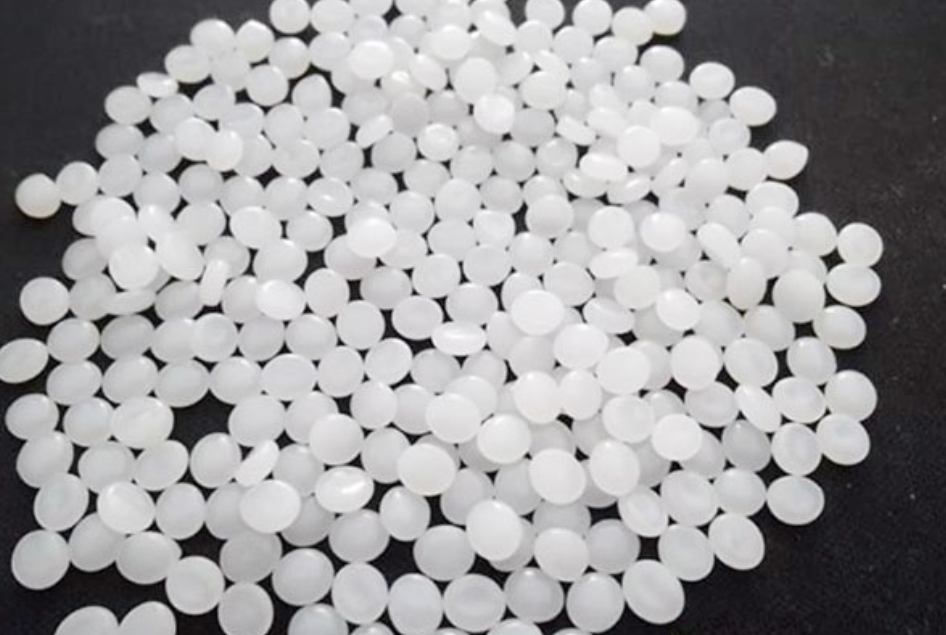
High Density Polyethylene (HDPE)
Found this useful?