Hydrochloric Acid: Industrial Applications, Handling and Procurement
Hydrochloric Acid: Industrial Applications, Handling and Procurement
Hydrochloric acid (HCl) is a widely used inorganic chemical that plays an important role in metal processing, chemical manufacturing, water treatment, oil and gas operations, and industrial cleaning. Its strong acidic properties make it suitable for removing mineral deposits, adjusting pH, dissolving certain metals and minerals, and producing a variety of chloride-based chemicals.
For chemical manufacturers, distributors, and industrial buyers, hydrochloric acid is an important raw material and processing chemical. Selecting the appropriate concentration and grade, ensuring safe storage, and maintaining a reliable supply are essential for consistent industrial operations. Understanding its applications, handling requirements, and procurement considerations can help businesses manage costs, product quality, and workplace safety.
What Is Hydrochloric Acid?
Hydrochloric acid is an aqueous solution of hydrogen chloride, with the chemical formula HCl and CAS number 7647-01-0. It is typically a clear, colorless to slightly yellow liquid with a strong, pungent odor. Commercial products are available in different concentrations depending on their intended applications and supplier specifications.
Hydrochloric acid is a strong acid that reacts with bases during neutralization and can dissolve many metal oxides and carbonate deposits. These properties make it useful in chemical processing, surface treatment, mineral processing, and industrial cleaning.
Commercial hydrochloric acid is often produced by absorbing hydrogen chloride gas into water. Hydrogen chloride may be generated as a byproduct of other chemical manufacturing processes or produced through the direct combination of hydrogen and chlorine. Consequently, its availability can be influenced by the operating conditions of related chemical industries, as well as by demand from downstream users. Source: U.S. Environmental Protection Agency
Major Industrial Applications of Hydrochloric Acid
1. Steel Pickling and Metal Surface Treatment
Steel pickling is one of the established industrial applications of hydrochloric acid. During steel production, hot processing can leave oxide scale on metal surfaces. Hydrochloric acid solutions are used to remove this scale before subsequent operations such as coating, galvanizing, or other forms of metal finishing.
The process helps prepare steel surfaces for further manufacturing and treatment. Hydrochloric acid is also used in selected metal cleaning and processing operations where controlled acid treatment is required.
For steel manufacturers, the acid concentration, temperature, treatment time, and condition of the process solution must be controlled to achieve the required surface quality. Procurement teams should evaluate product consistency, impurity limits, supply reliability, and compatibility with the plant's acid-handling system.
Spent pickling liquor may contain dissolved metals and requires appropriate treatment, recovery, or disposal under applicable environmental requirements.
2. Chemical Manufacturing
Hydrochloric acid is an important raw material in the production of various inorganic and organic chemicals. It is used in chemical synthesis, neutralization reactions, pH adjustment, and the manufacture of chloride-based compounds.
Depending on the process, hydrochloric acid can contribute to the production of metal chlorides and other chemical intermediates used in industrial manufacturing.
Chemical producers require suitable concentrations and reliable product specifications to maintain reaction performance. In processes where contamination can affect product quality, the supplier's impurity limits and quality documentation become particularly important.
Because hydrochloric acid is also generated as a byproduct of certain chemical manufacturing operations, supply conditions can be connected to the production levels of those industries.
3. Water and Wastewater Treatment
Hydrochloric acid is used in water treatment to lower pH, neutralize alkaline streams, and regenerate ion-exchange resins in suitable systems. It can also serve as a raw material in the production of other water-treatment chemicals.
Industrial facilities may use it to adjust process-water chemistry or maintain operating conditions required by specific treatment systems.
The amount required depends on the water's chemical composition, alkalinity, treatment objectives, and system design. Procurement teams should therefore consider consumption rates, product concentration, dosing equipment, storage capacity, and delivery frequency when arranging supply.
Facilities must also ensure that acid dosing and storage systems are compatible with the chemical and designed to prevent leaks, uncontrolled reactions, and worker exposure.
4. Oil and Gas Operations
Hydrochloric acid is used in selected oil and gas operations, particularly well acidification treatments. Under appropriately designed conditions, acid treatment can dissolve certain carbonate minerals and help improve the flow of fluids through suitable formations.
These applications require specialized procedures and careful evaluation of the formation, well materials, treatment objectives, and corrosion-control requirements.
Industrial buyers supplying this sector may need to meet detailed technical specifications, documentation requirements, and delivery schedules. Product suitability must be confirmed for the specific operation rather than assumed from the general industrial grade.
Because hydrochloric acid is corrosive and can react with certain metals, oilfield operations require appropriate equipment, trained personnel, and controlled handling procedures.
5. Mineral Processing and Ore Treatment
Hydrochloric acid is used in selected hydrometallurgical processes to dissolve certain minerals, remove impurities, and support the recovery or purification of metals.
Its effectiveness depends on the mineral composition, process conditions, and desired product. It is not suitable for every ore or mineral-processing operation, and the use of hydrochloric acid must be evaluated against alternative chemical processes.
Mining and mineral-processing companies should assess acid consumption, reagent recovery, wastewater treatment, corrosion control, and the handling of dissolved metals before selecting hydrochloric acid for a process.
For procurement teams, dependable supply and consistent concentration are important because changes in acid quality or availability can affect production schedules.
6. Food Processing and Food-Grade Applications
Hydrochloric acid has specific applications in food processing, including selected pH-adjustment and processing operations where its use is permitted by applicable regulations.
However, food-related applications require suitable product grades, controlled manufacturing conditions, and compliance with relevant food-safety requirements. Industrial-grade hydrochloric acid should not automatically be considered appropriate for food processing.
Buyers should confirm the required grade, purity specifications, documentation, traceability, and regulatory status with the supplier before purchasing material for food-related operations.
7. Pharmaceutical and Specialty Manufacturing
Hydrochloric acid may be used as a processing reagent or pH-adjusting agent in pharmaceutical and specialty chemical manufacturing. The suitability of a particular product depends on the process, required purity, and applicable standards.
Manufacturers in these sectors may require additional quality documentation, controlled impurities, and formal supplier qualification procedures.
Procurement teams should clearly distinguish between general industrial material and products specifically manufactured and documented for regulated applications.
8. Industrial Cleaning and Descaling
Hydrochloric acid is used in certain industrial cleaning applications to remove mineral scale, rust-related deposits, and other acid-soluble residues from suitable surfaces.
Its effectiveness makes it useful in selected maintenance and cleaning operations, but its corrosive nature limits its compatibility with many metals, coatings, and construction materials.
Before selecting hydrochloric acid for cleaning, businesses should verify that the substrate, equipment, seals, and surrounding materials can withstand the treatment. Alternative cleaning chemicals may be more appropriate where corrosion or surface damage is a concern.
Key Factors Affecting Hydrochloric Acid Procurement
Purchasing hydrochloric acid requires a combination of technical evaluation, supplier assessment, logistics planning, and safety management.
1. Concentration and Product Grade
Hydrochloric acid is available in different concentrations, and the appropriate specification depends on the intended application.
Buyers should confirm:
Required concentration and acceptable tolerance.
Product purity and relevant impurity limits.
Intended industrial or regulated application.
Packaging format and quantity.
Required technical documentation and quality records.
Concentration should be considered when comparing prices because a lower-priced product may contain less active acid or may not meet the process requirements.
For applications requiring high purity, buyers should also evaluate whether the supplier can consistently meet the specified impurity limits.
2. Supplier Reliability and Quality Assurance
A dependable supplier should provide consistent product quality, appropriate documentation, and realistic delivery commitments.
Before placing an order, procurement teams should evaluate the supplier's manufacturing or distribution capabilities, product specifications, quality-control procedures, and experience supplying the relevant industry.
Useful documents may include a Technical Data Sheet (TDS), Safety Data Sheet (SDS), and Certificate of Analysis (CoA), where applicable.
For critical production processes, buyers may also require sample testing, supplier audits, or a formal supplier-qualification process.
3. Pricing and Total Delivered Cost
Hydrochloric acid pricing can vary according to regional supply and demand, production costs, concentration, packaging, transport distance, and supplier availability.
Because a significant share of hydrochloric acid is generated as a byproduct of other chemical processes, changes in the output of those industries can also influence supply conditions.
The purchase price is only one part of the total cost. Freight, packaging, unloading, storage, handling equipment, safety provisions, and waste treatment can all affect the overall economics of using hydrochloric acid.
Buyers should compare quotations on an equivalent concentration and delivery basis, including all relevant charges and terms.
4. Packaging and Transportation
Hydrochloric acid is corrosive and must be transported in compatible packaging and equipment. Depending on the concentration, volume, route, and local regulations, shipments may use suitable drums, intermediate bulk containers, tank containers, or bulk tankers.
Before shipment, buyers should confirm the packaging specifications, carrier requirements, labeling, transport documentation, and unloading arrangements.
The chosen packaging must be compatible with hydrochloric acid and suitable for the intended transport and storage conditions. Standard containers or equipment should not be assumed safe without verifying material compatibility.
5. Inventory and Supply Planning
Manufacturers that depend on hydrochloric acid should align purchasing schedules with consumption rates, storage capacity, and supplier lead times.
Maintaining an appropriate inventory buffer can help reduce the risk of production interruptions caused by transport delays or temporary supply shortages. However, inventory decisions must account for the chemical's corrosive hazards, storage requirements, and the facility's emergency-management capabilities.
For businesses with continuous acid consumption, contracted supply arrangements and qualified alternative suppliers may improve supply resilience.
Safe Handling and Storage of Hydrochloric Acid
Hydrochloric acid can cause severe skin burns and serious eye damage. Its vapors and mists can irritate or injure the respiratory tract, particularly in poorly ventilated areas or during uncontrolled handling.
Safe management requires appropriate engineering controls, compatible equipment, trained personnel, and procedures based on the product-specific Safety Data Sheet.
Personal Protective Equipment
Workers should use chemical-resistant gloves, protective clothing, and appropriate eye and face protection selected according to the concentration and exposure risk. Respiratory protection may be required under a suitable risk assessment and established respiratory-protection program.
Facilities should provide appropriate ventilation and, where necessary, engineered systems to control acid vapors and mists. Emergency eyewash and safety-shower facilities should be accessible wherever corrosive chemicals are handled.
Storage Requirements
Hydrochloric acid should be stored in compatible, corrosion-resistant containers within a designated area designed for corrosive chemicals. Storage arrangements should include appropriate secondary containment, leak management, access control, and protection against incompatible materials.
The acid should be kept separate from incompatible substances, particularly strong bases, reactive metals, and chemicals that can release hazardous gases when mixed with hydrochloric acid.
Hydrochloric acid can react with certain metals and release flammable hydrogen gas. Contact with sodium hypochlorite or other incompatible oxidizing materials can release toxic chlorine gas.
Storage temperatures, ventilation, container materials, and inspection procedures should follow the supplier's safety guidance and applicable local requirements.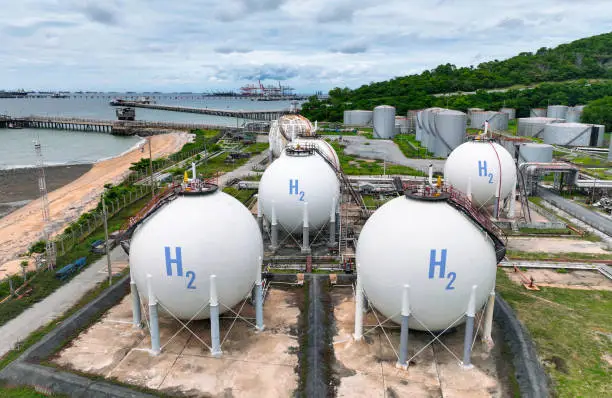
Handling and Dilution
Acid transfer and dilution should be carried out only by trained personnel using suitable equipment and established procedures. Mixing hydrochloric acid with other chemicals without confirming compatibility can result in dangerous reactions, heat generation, or the release of hazardous gases.
Where dilution is required, workers should follow the product-specific instructions and an approved procedure designed to control heat and splashing. Appropriate engineering controls and protective equipment are essential.
Acid should never be mixed with bleach or other incompatible cleaning chemicals.
Spill Response and Waste Management
Facilities should maintain a spill-response plan appropriate to the quantity, concentration, and hazards of the material stored. Workers should not attempt to clean up a spill unless they are trained, equipped, and authorized to do so.
Significant releases may require isolation of the affected area, emergency response, and notification of relevant authorities under applicable requirements.
Spent acid, contaminated absorbents, and acid-containing wastewater must be managed according to their composition and applicable environmental and waste regulations. Neutralization or other treatment should only be performed under an approved procedure with appropriate controls.
Challenges in the Hydrochloric Acid Supply Chain
Dependence on Byproduct Production
Hydrochloric acid is often generated during other chemical manufacturing processes. As a result, its supply can be affected by changes in the production of chlorinated chemicals and related intermediates.
This can create regional differences in availability and make supply conditions dependent on industries beyond hydrochloric acid's immediate end uses.
Corrosion and Logistics Costs
The chemical requires compatible storage, transportation, and unloading equipment. These requirements can increase logistics costs and restrict the number of suitable carriers or facilities available for a shipment.
Long-distance transport can also make locally available material more competitive, even when an overseas supplier offers a lower product price.
Regulatory and Environmental Requirements
Depending on the jurisdiction and application, hydrochloric acid shipments may be subject to chemical labeling, transport, workplace safety, emissions, and waste-management requirements.
Industrial users should confirm applicable obligations before purchasing and ensure that the supplier provides the required documentation.
Quality and Concentration Variations
Differences in concentration or impurities can affect chemical consumption, process performance, and product quality.
Buyers should establish clear specifications and verify incoming material against the purchase order and relevant quality documentation.
Best Practices for Hydrochloric Acid Buyers
Chemical procurement teams can improve purchasing outcomes by following a structured process.
Define the technical specification: Establish the required concentration, grade, purity, impurity limits, and application.
Qualify suppliers: Review manufacturing or distribution capabilities, documentation, quality systems, and delivery performance.
Compare total delivered cost: Include product price, freight, packaging, unloading, storage, and relevant compliance costs.
Verify equipment compatibility: Confirm that storage tanks, pipes, pumps, seals, and transfer equipment are suitable for the specified product.
Plan inventory carefully: Balance supply continuity against storage capacity, safety requirements, and consumption patterns.
Maintain safety documentation: Keep current SDS information, handling procedures, emergency plans, and employee training records.
Monitor supplier performance: Track product quality, delivery reliability, and responsiveness to operational issues.
These practices can help businesses maintain consistent operations while managing the technical and logistical risks associated with corrosive chemicals.
Future Outlook for Hydrochloric Acid
Demand for hydrochloric acid is linked to a broad range of industrial activities, including steel processing, chemical manufacturing, water treatment, mineral processing, and selected oil and gas operations.
Its market conditions are influenced by both direct demand and its role as a byproduct of other chemical production processes. Consequently, changes in industrial output, regional manufacturing activity, transport costs, and downstream consumption can affect availability and pricing.
Manufacturers and distributors will continue to require dependable supplies with consistent specifications and suitable delivery arrangements. At the same time, growing attention to worker safety, equipment integrity, and environmental management reinforces the importance of responsible handling throughout the supply chain.
For chemical buyers, the most effective approach is to combine technical product evaluation with supplier qualification, total-cost analysis, and careful safety planning.
Source Links
U.S. Environmental Protection Agency — Hydrochloric Acid Supply Chain Profile: https://www.epa.gov/system/files/documents/2023-03/Hydrochloric%20Acid%20Supply%20Chain%20Profile.pdf
PubChem — Hydrochloric Acid Chemical Information: https://pubchem.ncbi.nlm.nih.gov/compound/7647-01-0
U.S. Environmental Protection Agency — Hydrochloric Acid Production: https://www.epa.gov/stationary-sources-air-pollution/hydrochloric-acid-production-national-emission-standards-hazardous
U.S. Environmental Protection Agency — Steel Pickling and Hydrochloric Acid Regeneration: https://www.epa.gov/stationary-sources-air-pollution/steel-pickling-hcl-process-facilities-and-hydrochloric-acid
Australian Drinking Water Guidelines — Hydrochloric Acid: https://guidelines.nhmrc.gov.au/australian-drinking-water-guidelines/part-5/treatment-chemicals/hydrochloric-acid

Borax Anhydrous (Technical Grade) - Argentina
Found this useful?