Hysata Launches an AI-Powered Electrolyser Production Line
Hysata Launches an AI-Powered Electrolyser Production Line
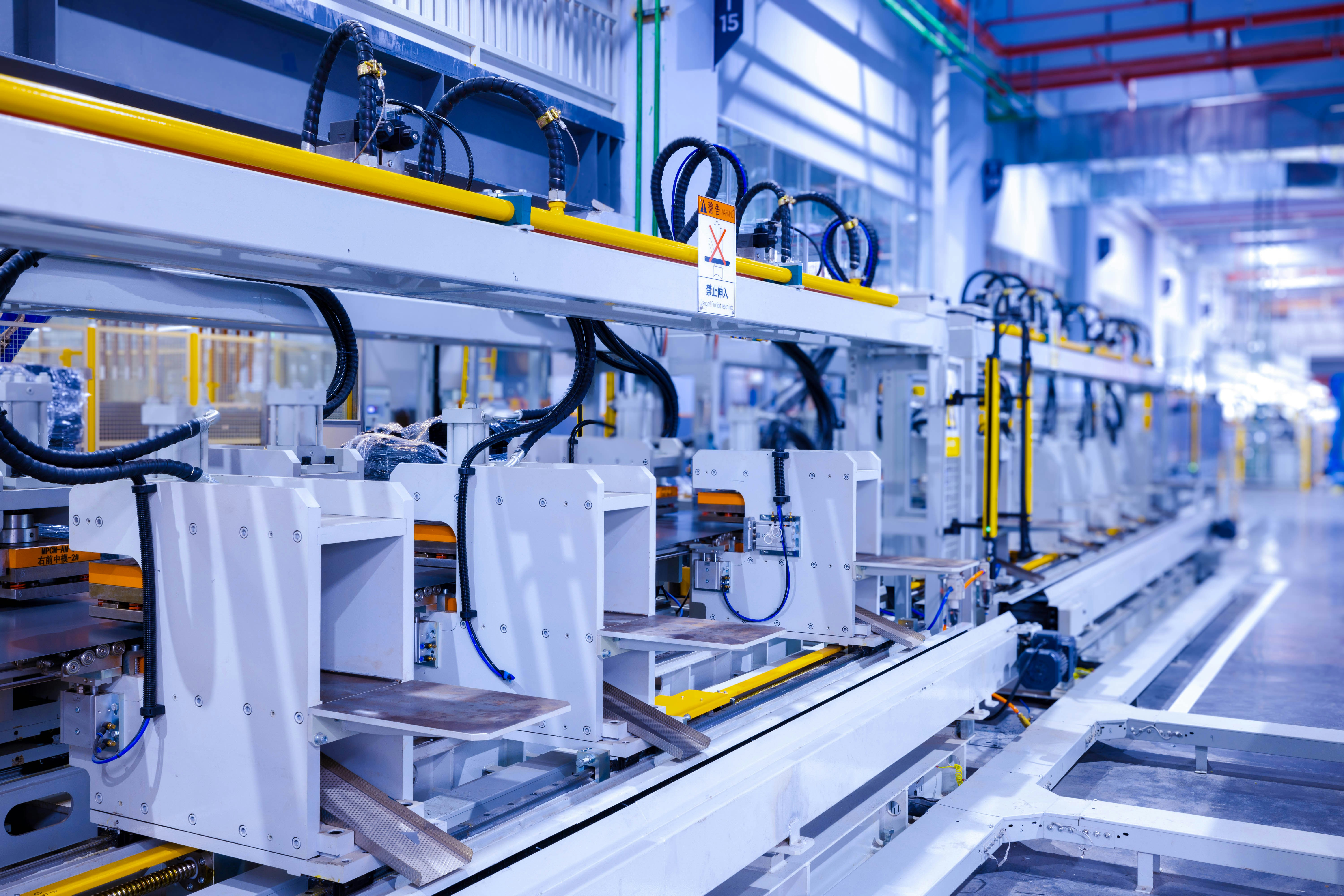
Australian electrolyser manufacturer Hysata has launched HysataFab, an AI-optimised manufacturing platform at its Port Kembla headquarters, opening a new chapter in the production of green-hydrogen technology. The company says the platform combines artificial intelligence, robotics, real-time monitoring and inline quality testing to produce up to 15% more product from the same physical production line.
Hysata Launches HysataFab in Australia
The platform has been developed to improve the efficiency and consistency of electrolyser manufacturing as the company moves toward larger-scale commercial production.
The first HysataFab project is worth close to A$100 million and is planned to include three production lines covering electrode, membrane, and cell-and-stack manufacturing. The electrode line is now operational, with the remaining lines scheduled to follow. Initial production capacity is 50 MW per year on a single-shift basis, while continuous operations could increase capacity to 200 MW annually.
How AI Is Transforming Electrolyser Manufacturing
The key feature of HysataFab is its use of artificial intelligence throughout the manufacturing process.
Hysata says the electrode production line analyses thousands of data points from every electrode produced. Real-time sensors and inspection systems create a digital record for each component, allowing AI systems to identify changes in the production process before they develop into defects.
The company has accumulated more than 57 billion process data points from research, testing and manufacturing. Hysata says more than 100 million new data points are generated each day, providing a large dataset for its AI systems to analyse and use for process optimisation.
Robotics and Real-Time Quality Control
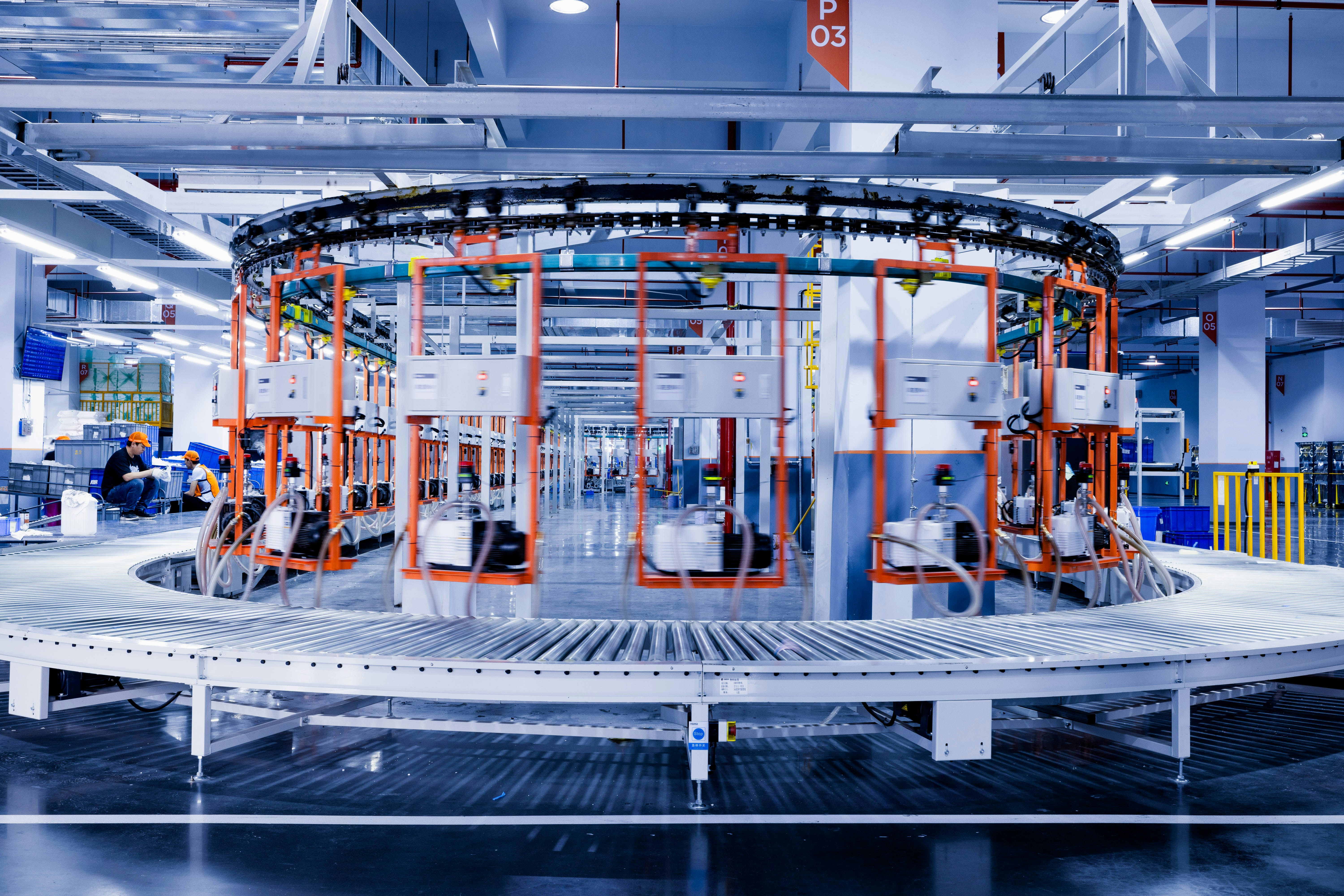
HysataFab combines AI with robotics and automated quality inspection. These technologies are designed to monitor production continuously and improve manufacturing consistency.
The approach allows the production line to identify process changes in real time and feed the information back into manufacturing controls. Hysata says this creates a continuous learning cycle in which every component produced provides information that can help optimise subsequent production.
The company expects this approach to improve product quality and manufacturing yield while making better use of existing factory capacity.
Up to 15% More Production
According to Hysata, the AI-optimised manufacturing platform can produce up to 15% more product from the same physical production line. The company sees this as an important part of reducing manufacturing costs as it scales electrolyser production.
Rather than relying only on additional factory space and equipment to increase output, HysataFab is designed to improve the productivity of the production assets already in place.
Australian Government Supports the Project
The launch coincides with an A$49 million grant from the Australian Government through the Australian Renewable Energy Agency (ARENA) under the Future Made in Australia Innovation Fund. The funding is supporting the establishment and expansion of Hysata's electrolyser manufacturing capabilities.
Hysata is matching the government support with private capital. The company has raised more than A$220 million from global investors to date, according to its latest announcement.
The investment is intended to strengthen Australia's domestic manufacturing capabilities in clean-energy technology while supporting the development of a local supply chain for electrolysers.
Hysata's High-Efficiency Electrolyser
The manufacturing platform is being developed around Hysata's capillary-fed electrolyser technology. The company reports a system efficiency of 95%, equivalent to 41.5 kWh per kilogram of hydrogen. Hysata says this represents around 20% more hydrogen produced per megawatt compared with incumbent electrolyser technologies.
Electrolysers use electricity to split water into hydrogen and oxygen. When powered by renewable electricity, the process can produce green hydrogen without directly relying on fossil-fuel-based hydrogen production.
Improving electrolyser efficiency is important because electricity is one of the largest costs associated with producing green hydrogen.
Supporting Hard-to-Abate Industries
Hysata is targeting applications where hydrogen can serve as an industrial feedstock or energy carrier. These include sectors such as steel, fertiliser and refining, where replacing hydrogen-based processes with direct electrification can be difficult.
The company has also highlighted emerging opportunities in green steel and synthetic fuels for aviation and shipping as renewable hydrogen production expands.
From Development to Commercial Production
The launch of HysataFab comes as the company moves from technology development toward commercial supply.
In June 2026, Hysata announced its first binding megawatt-scale export order with a global heavy-industry customer. The system is scheduled for delivery during the first half of 2027, with electrodes for the system expected to be manufactured at HysataFab.
Hysata has also completed a field trial with Saudi Arabian power company ACWA Power and has joint development agreements with POSCO and Vestas, while working with customers across a multi-gigawatt pipeline, according to the company.
Plans for Larger Manufacturing Capacity
The Port Kembla facility is designed to expand beyond its initial production capacity. Hysata says continuous operation could increase annual capacity to 200 MW, which the company describes as making the facility the largest electrolyser manufacturing site in the Southern Hemisphere.
The HysataFab platform is also intended to be a repeatable manufacturing model. Additional production facilities could potentially use the same approach as demand for electrolysers grows, with the company targeting expansion toward gigawatt-scale manufacturing capacity.
What It Means for Green Hydrogen
The development comes as governments and industries continue to explore ways to reduce the cost of producing clean hydrogen.
For green hydrogen to expand commercially, both the efficiency of the electrolyser itself and the cost of manufacturing the equipment are important factors. Hysata is attempting to address both areas by combining its high-efficiency electrolyser technology with an AI-driven manufacturing process.
The company says the goal is to increase hydrogen production efficiency while also producing more electrolysers from each manufacturing line.
Looking Ahead
Hysata's Port Kembla project represents a combination of AI, robotics, advanced manufacturing and green-hydrogen technology. With the electrode production line now operational and additional production lines planned, the company is moving toward larger-scale manufacturing.
The next stages will focus on expanding production capacity, supplying commercial customers and demonstrating that the AI-optimised manufacturing model can be replicated as demand increases.
Conclusion
Hysata's launch of HysataFab marks a significant development in Australia's electrolyser manufacturing sector. The AI-powered platform combines real-time monitoring, robotics and automated quality testing, with Hysata reporting potential production gains of up to 15% from the same physical production line.
Backed by an A$49 million ARENA grant and a manufacturing project approaching A$100 million, the Port Kembla facility is designed to support the company's transition toward commercial-scale electrolyser production. With plans to expand capacity and supply international customers, Hysata is positioning AI-enabled manufacturing as an important part of its strategy to scale green-hydrogen technology.
Found this useful?