IB Backs €80M Financing for FNM Group Hydrogen Mobility Projects
The European Investment Bank has backed €80 million in financing for FNM Group's hydrogen mobility projects, creating a significant funding channel for hydrogen-powered transport infrastructure in northern Italy. The financing, supported by InvestEU and a SACE guarantee, carries a 15-year tenor and targets projects spanning rail and road transportation.
For chemical traders and industrial suppliers, the development matters beyond transport equipment. Hydrogen mobility requires a connected supply chain covering hydrogen production, storage, distribution, refuelling infrastructure and supporting industrial materials. FNM's programme therefore creates potential demand across several parts of the emerging hydrogen economy.
€80M EIB Financing Targets Hydrogen Transport
The EIB financing forms part of FNM's broader investment programme for hydrogen-based mobility. EIB project documentation places the overall project cost at approximately €314 million, with the €80 million EIB financing allocated to the hydrogen mobility programme.
The financing supports investments in Italy's Lombardy region and focuses on replacing conventional transport assets with hydrogen-powered alternatives. The programme combines rail rolling stock, hydrogen buses and refuelling infrastructure rather than treating hydrogen as a standalone fuel project.
The 15-year financing tenor also gives the programme a long-term financial structure. For suppliers, long project horizons can be relevant when assessing potential demand for equipment, chemicals and infrastructure inputs connected with hydrogen production and distribution.
Hydrogen Trains Form the Core Rail Investment
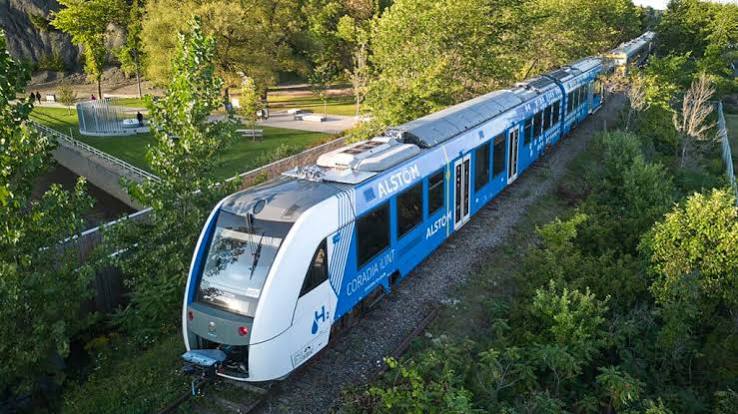
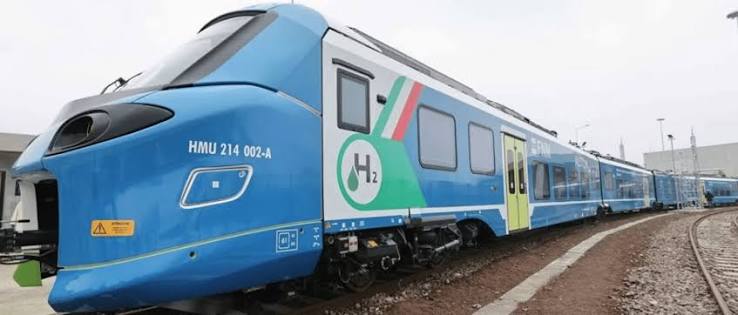
One of the most prominent components involves 14 hydrogen-powered trainsets for passenger services on the non-electrified Brescia to Edolo railway line. These trains are intended to replace diesel trainsets currently operating on the route.
The rail component also requires supporting works and installations along the line. These include platform extensions and electrical systems needed to accommodate the new operating model.
The project connects with FNM's H2iseO Hydrogen Valley programme in Val Camonica. FNM describes H2iseO as an initiative designed to develop a hydrogen-based industrial and mobility ecosystem around the non-electrified Brescia-Iseo-Edolo railway corridor.
This approach is important for the chemical sector because hydrogen mobility depends on infrastructure beyond the vehicle itself. Production, storage, distribution and dispensing systems all require industrial equipment and materials that can meet demanding operating conditions.
Road Transport Adds Hydrogen Bus Demand
The programme extends beyond railway applications. EIB documentation also covers the acquisition of approximately 40 hydrogen buses for routes across Lombardy.
The addition of hydrogen buses broadens the potential infrastructure requirement because road fleets need accessible refuelling networks. FNM's project therefore combines vehicle deployment with infrastructure development rather than relying on isolated hydrogen stations.
FNM has also identified the development of hydrogen refuelling infrastructure for light and heavy-duty road vehicles as part of the wider programme. The planned stations will serve major Trans-European Transport Network motorways in Lombardy and Piedmont.
What the Financing Means for Hydrogen Supply Chains
Large hydrogen mobility programmes require a reliable supply chain from production through final vehicle refuelling. The FNM programme provides a useful example of how transport investment can create requirements across multiple industrial categories.
Key supply chain areas include:
Hydrogen production: Electrolysis and other production routes require industrial equipment, water treatment systems, compression technology and supporting process materials.
Storage and distribution: Hydrogen facilities need specialised storage, pipelines, valves, compressors and safety systems designed for hydrogen service.
Refuelling stations: Road mobility requires dispensing infrastructure capable of delivering hydrogen safely and efficiently to buses, trucks and other vehicles.
Industrial chemicals: Hydrogen production and infrastructure can create demand for chemicals used in water treatment, cleaning, maintenance and industrial processing.
Engineering materials: Projects require compatible metals, seals, coatings and process materials that can operate under hydrogen-related conditions.
For chemical traders, these requirements create opportunities beyond the direct sale of hydrogen. Procurement teams supporting hydrogen projects may source a broad portfolio of process chemicals and industrial inputs from international markets.
InvestEU and SACE Strengthen the Financing Structure
The EIB financing benefits from support through the InvestEU programme and a SACE guarantee. FNM's September 2026 announcement identifies the operation as an €80 million financing package for the development of hydrogen mobility.
InvestEU supports investment in sustainable infrastructure, including sustainable energy and transport. The programme uses an EU budget guarantee to help mobilise additional investment in areas aligned with European policy priorities.
For FNM, this financing structure supports a project with both transport and energy-transition objectives. For suppliers, institutional financing can provide visibility around the development of infrastructure projects that require multi-year procurement programmes.
Hydrogen Production Is Expanding Alongside Mobility
FNM's hydrogen programme includes production infrastructure as well as transport assets. Its H2iseO project involves hydrogen production and distribution facilities intended to support local public transport.
FNM's recent reporting identifies two hydrogen production and distribution plants under construction, one in Iseo and another in Edolo. The Iseo facility uses steam methane reforming technology based on biomethane with carbon dioxide capture, while the Edolo facility uses electrolysis.
This combination illustrates the range of technologies entering Europe's hydrogen mobility infrastructure. Each production pathway has different equipment, operating requirements and procurement needs.
For chemical suppliers, the development of multiple production technologies can also broaden the range of materials required throughout the hydrogen value chain.
Refuelling Infrastructure Creates New Procurement Requirements
Hydrogen refuelling stations represent another important part of FNM's programme. The planned infrastructure will support light and heavy-duty vehicles along major TEN-T motorways in Lombardy and Piedmont.
The geographic element matters because transport operators need dependable access to fuel across operating routes. A hydrogen bus or commercial vehicle can only deliver its intended service if suitable production, transport and refuelling infrastructure operates alongside it.
This creates procurement requirements for compressors, storage systems, dispensing equipment, instrumentation and safety systems. Chemical and materials suppliers can participate indirectly by supporting the industrial facilities and maintenance operations behind these assets.
What Chemical Buyers Should Watch
The FNM financing highlights several areas that procurement teams can monitor as hydrogen mobility expands in Europe.
Hydrogen infrastructure materials: Suppliers with products compatible with hydrogen production, compression, storage and dispensing applications may find opportunities as infrastructure expands.
Industrial water treatment: Electrolysis requires water of appropriate quality, creating potential demand for treatment chemicals and related systems.
Maintenance chemicals: Hydrogen facilities and transport infrastructure require cleaning, maintenance and process chemicals throughout their operating lives.
Ammonia and hydrogen logistics: Ammonia can serve as a hydrogen carrier in certain supply chains, making ammonia-related infrastructure relevant to the broader hydrogen economy even when a specific mobility project uses direct hydrogen.
Long-term supply agreements: Projects backed by institutional financing can support procurement planning over extended periods, particularly for infrastructure with multi-year construction and operating cycles.
A Wider Signal for European Hydrogen Mobility
The FNM financing reflects a broader movement toward integrating hydrogen production with transport infrastructure. Instead of developing vehicles separately from fuel supply, projects such as H2iseO connect trains, buses, production plants and refuelling facilities within a regional system.
FNM's Hydrogen Valley programme aims to create an industrial district based on hydrogen while supporting the decarbonisation of local public transport.
The model also illustrates why hydrogen mobility can matter to chemical markets. As transport projects scale, demand can extend into production chemicals, water treatment products, industrial gases, infrastructure materials and maintenance inputs.
For international traders, the key opportunity lies in understanding the full project ecosystem rather than focusing only on hydrogen as a commodity.
The Bottom Line for Procurement Teams
FNM's €80 million EIB financing supports a broad hydrogen mobility programme involving 14 hydrogen-powered trains, approximately 40 hydrogen buses and hydrogen refuelling infrastructure for road vehicles in northern Italy. The wider project carries an estimated cost of €314 million, according to EIB project documentation.
The financing provides long-term support for a transport system that combines hydrogen vehicles with production, storage and distribution infrastructure. For chemical procurement teams, the project demonstrates how investment in clean mobility can generate requirements across a much wider industrial supply chain.
Ammonia Anhydrous
Found this useful?