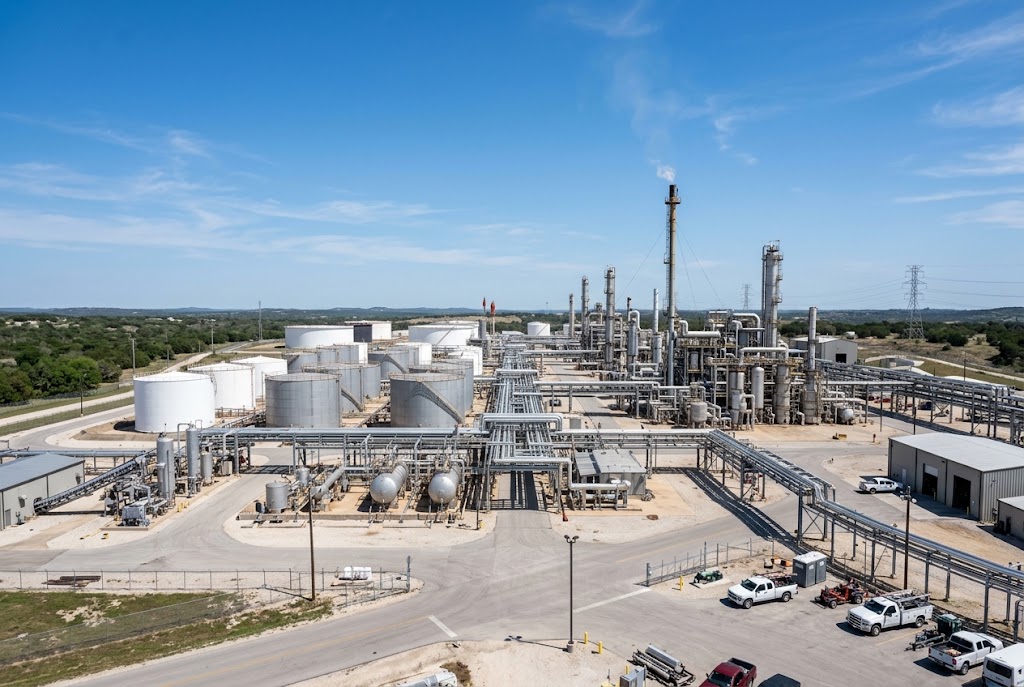
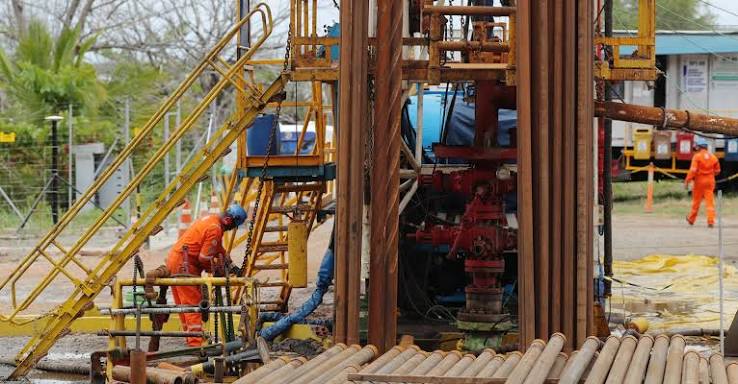
IG4 Capital’s pending controlling stake in Braskem marks a significant expansion for the private equity firm. This investment extends its portfolio reach into large-scale industrial and specialty chemical adjacent manufacturing. The deal represents a bold move into heavy industry assets that require substantial operational expertise. Procurement professionals and market analysts are watching closely to see how this ownership change influences strategy. Braskem is a global leader in thermoplastics and bio-based chemicals. Integrating such a massive entity into a private equity portfolio changes the dynamics of the sector. Buyers must anticipate shifts in capital allocation and strategic priorities under new management.
Strategic Expansion into Heavy Industry
Private equity firms typically favor asset-light or high-growth technology sectors. IG4 Capital’s move into Braskem challenges this convention. It demonstrates confidence in the long-term value of essential industrial materials. Thermoplastics remain critical for packaging automotive and construction applications. Demand for these materials is resilient despite economic fluctuations.
This expansion allows IG4 to leverage operational improvements at scale. Large chemical plants offer significant opportunities for efficiency gains. Optimizing energy use and supply chain logistics can unlock substantial value. The firm brings a disciplined approach to capital expenditure and cost management. This rigor may lead to more streamlined operations and better financial performance.
For suppliers and customers this shift means a focus on profitability. Non-core assets may be divested to sharpen the business focus. Core competencies in polyethylene and polypropylene will likely receive increased investment. Understanding these priorities helps partners align their strategies effectively.
Implications for the Specialty Chemical Adjacency
Braskem is not just a commodity producer. It has significant interests in specialty chemicals and bio-based solutions. The I’m green™ polyethylene line is a prime example of this differentiation. IG4 Capital’s investment supports the growth of these higher-margin segments. Specialty products offer better protection against commodity price cycles.
The firm may accelerate innovation in sustainable materials. Bio-based feedstocks and circular economy models are key growth areas. Investment in research and development could increase under new ownership. Suppliers of green technologies and renewable feedstocks should monitor this trend. Partnerships with Braskem could provide access to global markets.
Procurement teams sourcing specialty additives or bio-polymers will benefit from this focus. A stronger commitment to sustainability enhances brand value. Customers willing to pay a premium for green products find reliable supply. This alignment with global ESG goals strengthens market position.
Increased investment in bio-based and sustainable product lines.
Divestment of non-core assets to focus on high-value segments.
Operational improvements to enhance margin and efficiency.
Strategic partnerships to drive innovation in specialty chemicals.
Operational Discipline and Capital Allocation
Private equity ownership brings strict financial discipline. IG4 Capital will likely implement rigorous performance metrics. Return on invested capital becomes a primary driver for decision-making. Projects with unclear returns face scrutiny or cancellation. This focus ensures that resources flow to the most profitable areas.
Capital expenditure plans may be revised to prioritize quick wins. Maintenance and safety remain non-negotiable but expansion projects need strong justification. Suppliers proposing new equipment or technology must demonstrate clear ROI. Data-driven proposals have a higher chance of approval. Transparency in cost structures builds trust with the new management.
Working capital management will also tighten. Inventory levels may be optimized to free up cash. Payment terms could be adjusted to improve liquidity. Buyers and suppliers need to adapt to these financial realities. Efficient logistics and accurate forecasting become critical skills.
Impact on Global Supply Chain Dynamics
Braskem operates facilities in multiple continents. Changes in strategy affect global supply flows. Regional hubs may gain or lose importance based on profitability. Buyers should assess their exposure to different production sites. Diversification reduces risk from localized operational changes.
Logistics networks may be optimized for cost efficiency. Consolidating shipments or changing transport modes can reduce expenses. Suppliers involved in distribution need to stay flexible. Adapting to new routing requirements maintains service levels. Collaboration with logistics providers ensures smooth transitions.
Currency fluctuations impact international trade significantly. IG4 Capital may employ sophisticated hedging strategies. This financial engineering stabilizes prices for global customers. Understanding these mechanisms helps buyers plan their budgets. Predictable pricing supports long-term planning and stability.
Sustainability as a Core Value Driver
ESG considerations are central to modern industrial investing. IG4 Capital recognizes that sustainability drives long-term value. Reducing carbon footprint and waste improves regulatory compliance. It also attracts environmentally conscious customers. Braskem’s existing green initiatives will likely expand.
Investment in carbon capture and utilization technologies may increase. These innovations reduce emissions from production processes. Suppliers offering low-carbon solutions find a receptive market. Collaborative projects to improve energy efficiency benefit both parties. Shared sustainability goals strengthen strategic partnerships.
Reporting transparency will improve under private equity oversight. Accurate data on environmental impact supports marketing claims. Buyers need this information for their own ESG reporting. Reliable documentation simplifies compliance and auditing. Trust in supply chain data becomes a competitive advantage.
Navigating the Transition Period
Ownership transitions create temporary uncertainty. Communication from IG4 Capital and Braskem management is crucial. Suppliers and customers should seek clarity on strategic direction. Regular updates help manage expectations and reduce anxiety. Engaging with account managers provides insider insights.
Contract renegotiations may occur as new policies take effect. Reviewing terms for flexibility and fairness is important. Legal counsel can help navigate complex clauses. Maintaining positive relationships facilitates smoother negotiations. Mutual respect and understanding lead to better outcomes.
Operational continuity is the immediate priority. Production schedules and quality standards must remain stable. Monitoring key performance indicators detects early warning signs. Proactive problem solving prevents minor issues from escalating. Vigilance ensures supply chain resilience during the change.
Long-Term Outlook for the Partnership
The IG4 Capital and Braskem partnership has strong potential. Combining financial discipline with industrial expertise creates value. The focus on specialty and sustainable segments aligns with market trends. This strategy positions the company for long-term success. Buyers benefit from a more efficient and innovative supplier.
Market consolidation may follow as the firm seeks synergies. Acquiring complementary businesses could expand the portfolio. Suppliers should watch for M&A activity in the sector. New opportunities for collaboration may arise. Staying informed about industry developments helps identify these chances.
The success of this model could influence other private equity firms. More investors may enter the heavy industrial space. This trend increases competition for assets but also brings capital. Innovation and efficiency improve across the sector. Procurement teams must adapt to this evolving landscape.
The Bottom Line for Procurement Teams
IG4 Capital’s investment in Braskem signals a new era for the company. Focus on operational discipline and specialty growth drives strategy. Procurement teams must align with these priorities to succeed. Demonstrating value beyond price secures long-term partnerships.
Understanding the financial and strategic context improves negotiation outcomes. Suppliers who support sustainability and efficiency goals thrive. Building resilient and transparent supply chains is essential. The transition offers opportunities for those who prepare adequately. Embracing change leads to competitive advantage in the market.
Ready to source polymers from verified global suppliers? Explore competitive offers on our platform today.