INA Rijeka Refinery Cuts Energy Use With Back-Pressure Steam Turbines
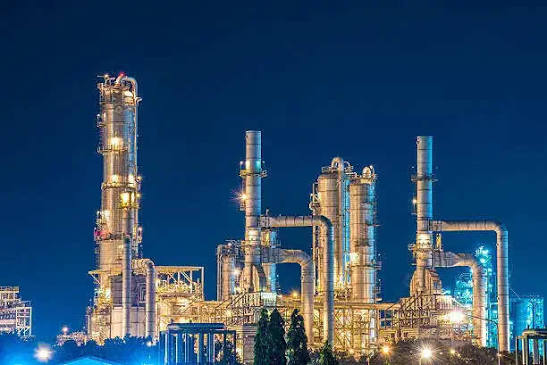
INA has completed the installation of back-pressure steam turbines with electric generators at its Rijeka Refinery in Croatia, adding another efficiency-focused investment to one of the country’s most important industrial facilities. The project targets a simple but commercially important challenge for refineries, how to extract more value from energy already moving through the process.
For chemical traders, procurement managers and industrial buyers, the development offers a useful example of how energy optimisation can influence the competitiveness of large processing facilities. Better steam utilisation can reduce operating costs while lower emissions can support broader industrial decarbonisation objectives.
The project also fits into INA’s wider programme of modernising the Rijeka site. The company says the turbine installation will improve energy efficiency, reduce steam consumption, generate energy savings and reduce CO₂ emissions.
Why Steam Efficiency Matters in Refining
Steam plays an important role across complex refinery operations. Facilities use steam for heating, process support, equipment operation and other utility requirements, which means the efficiency of the steam system can have a direct influence on overall energy performance.
When steam moves through a conventional system, some of its available energy may remain underused. A back-pressure turbine provides a way to recover part of that energy while still supplying steam at the pressure required by downstream processes.
The principle is particularly relevant for large industrial facilities where steam demand remains continuous. Instead of treating steam only as a process utility, the system can use pressure differences to support electricity generation while maintaining useful steam output.
That creates a more integrated energy system. The refinery can extract additional value from an existing process stream without relying entirely on separate electricity generation.
How Back-Pressure Turbines Improve Refinery Operations
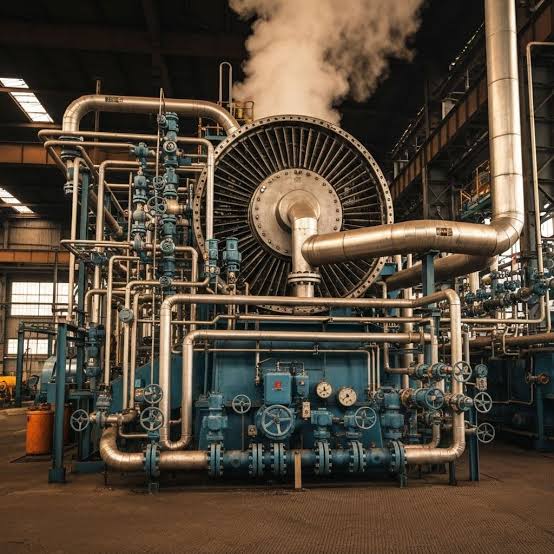
A back-pressure steam turbine expands high-pressure steam through turbine stages and converts part of the steam’s energy into mechanical power. An electric generator then converts that mechanical power into electricity.
Unlike a condensing turbine, the system does not need to expand the steam all the way to a very low pressure before rejecting it. Instead, the exhaust steam remains at a pressure suitable for further refinery use.
This makes the technology particularly suitable for facilities where both electricity and process steam have value.
For an integrated refinery, the potential operational benefits include:
Better steam utilisation: The system can recover useful energy from steam before the steam continues into the process.
Lower utility consumption: More efficient internal energy generation can reduce the amount of external electricity required.
Energy savings: Improved integration between steam and power systems can reduce the energy required to support production.
Lower emissions: Reduced energy consumption can contribute to lower CO₂ emissions.
Greater operational competitiveness: Lower utility costs can support refinery margins when fuel and energy markets remain volatile.
INA says the Rijeka installation is intended to improve the efficiency of the refinery’s process system while contributing to competitiveness and profitability.
Rijeka’s Efficiency Investment Comes at a Strategic Time
The steam turbine project is part of a broader transformation of the Rijeka Refinery. INA has invested heavily in modernising the facility and has also completed major projects designed to improve processing capability and efficiency.
The refinery upgrade programme includes a new Delayed Coker Unit and supporting infrastructure. INA says the wider modernisation programme represents an investment of nearly EUR 700 million and is designed to strengthen the refinery’s long-term operating position.
That broader investment makes energy efficiency particularly important. Increasing processing flexibility can create new commercial opportunities, but it can also increase the importance of controlling energy consumption across the facility.
For procurement teams, this creates a clear connection between capital investment and operating economics. Equipment that reduces utility consumption can become increasingly valuable when installed alongside major process upgrades.
What the Project Means for Industrial Energy Costs
Energy is one of the most important cost considerations for energy-intensive processing industries. Refinery economics depend on crude feedstock costs, product values, operating efficiency and utility consumption, making energy optimisation an important part of maintaining competitiveness.
A steam turbine does not remove the refinery’s need for energy. Instead, it helps the facility use available energy more efficiently.
That distinction matters for procurement professionals. Efficiency investments can influence purchasing requirements for electricity, fuel, maintenance services and technical equipment over the operating life of a facility.
The Rijeka project therefore represents more than an equipment installation. It demonstrates how utilities infrastructure can become part of a refinery’s cost-control strategy.
Procurement teams evaluating similar projects may need to consider several factors:
Equipment efficiency: Turbine performance should match the facility’s steam conditions and operating profile.
Reliability: Continuous industrial operations require equipment capable of operating consistently under demanding conditions.
Integration: New turbines need to work effectively with existing steam networks, generators and process equipment.
Maintenance: Lifecycle costs can be just as important as the initial equipment purchase.
Energy performance: Buyers need measurable performance criteria that connect equipment specifications with operating savings.
Lower Emissions Without Changing the Core Process
Industrial decarbonisation does not always require a complete redesign of the production process. Energy efficiency projects can reduce emissions by improving the way existing systems consume and recover energy.
This makes steam optimisation an important tool for facilities that need to improve environmental performance while continuing to operate conventional processing assets.
INA states that the Rijeka turbines will reduce CO₂ emissions alongside lowering steam consumption and improving energy efficiency.
The approach also fits a broader pattern within the refinery’s modernisation programme. INA has previously implemented energy-efficiency projects at Rijeka, including changes to turbine and process systems aimed at improving energy performance and reducing emissions.
For chemical and industrial buyers, this highlights an important procurement trend. Equipment decisions increasingly need to consider both direct operating costs and their effect on energy intensity and emissions.
What Chemical Buyers Can Take From the Rijeka Upgrade
Although the project sits within an oil refining operation, the underlying strategy has relevance across the chemical processing industry.
Many chemical plants operate steam networks that support reactors, distillation units, heat exchangers, drying systems and other energy-intensive processes. Where suitable pressure and temperature conditions exist, steam systems can provide opportunities for energy recovery.
The same principle can apply to other utility systems. Heat recovery, condensate recovery, variable-speed drives and more efficient motors can all improve the relationship between energy consumption and production output.
For buyers, the main lesson is that efficiency should be evaluated as part of the complete operating system rather than as an isolated equipment purchase.
A turbine with strong technical specifications may not deliver its full value if the surrounding steam network cannot support efficient operation. Conversely, a well-integrated system can improve the economics of multiple connected processes.
Procurement Priorities for Industrial Energy Projects
Projects such as Rijeka’s turbine installation also create opportunities for specialised suppliers of industrial equipment and services.
Procurement teams should look beyond purchase price when evaluating energy-efficiency technologies. The lowest upfront cost does not necessarily provide the lowest lifecycle cost.
Key areas for evaluation include:
Operating conditions: Steam pressure, temperature, flow and demand patterns determine whether a turbine configuration is appropriate.
Expected energy performance: Buyers should establish clear performance expectations before equipment selection and commissioning.
Equipment compatibility: Integration with existing process systems, generators and control infrastructure can influence both cost and reliability.
Maintenance support: Access to technical service, replacement parts and qualified maintenance personnel can affect long-term availability.
Project execution: Installation schedules matter for refineries and chemical plants because shutdown periods can directly affect production.
INA reported that mechanical completion of the Rijeka turbine project was achieved on 25 August 2026, with trial operation and commissioning following shortly afterward. The company also said the project reached this stage five weeks ahead of the contractual deadline.
That highlights another procurement consideration, project delivery. Completing efficiency projects on schedule can reduce disruption and allow operators to realise the expected benefits sooner.
Why Energy Optimisation Will Remain Important
The economics of refining and chemical production remain closely tied to energy markets. Volatile energy prices can quickly change operating margins, while emissions-related requirements are placing additional pressure on industrial facilities to improve efficiency.
This combination makes energy optimisation increasingly relevant to capital planning.
The Rijeka project shows how a targeted utility upgrade can support several objectives at the same time. Improved steam use can reduce consumption, electricity generation can strengthen internal energy efficiency and lower energy demand can contribute to emissions reduction.
The approach can also complement larger transformation projects. INA’s recent refinery investments show how process modernisation, energy efficiency and supply security can develop alongside one another rather than as separate strategies.
For industrial buyers, this means efficiency technologies should remain part of long-term equipment planning. Steam systems, heat recovery equipment and power-generation technologies can all influence the cost base of energy-intensive operations.
The Bottom Line for Procurement Teams
INA’s Rijeka Refinery offers a practical example of how industrial facilities can reduce energy waste through targeted equipment upgrades. The installation of back-pressure steam turbines with electric generators is designed to make better use of steam, reduce consumption, generate energy savings and lower CO₂ emissions.
For procurement teams across refining, chemicals and other process industries, the project reinforces the value of looking at utilities as strategic assets. Energy-efficient equipment can influence operating costs, emissions performance, reliability and long-term competitiveness.
The wider Rijeka modernisation programme also shows why efficiency projects can have greater value when they form part of an integrated investment strategy. As industrial companies continue to balance production requirements with energy costs and environmental targets, efficient utility systems will remain an important area for capital spending.
Sulphur
Found this useful?